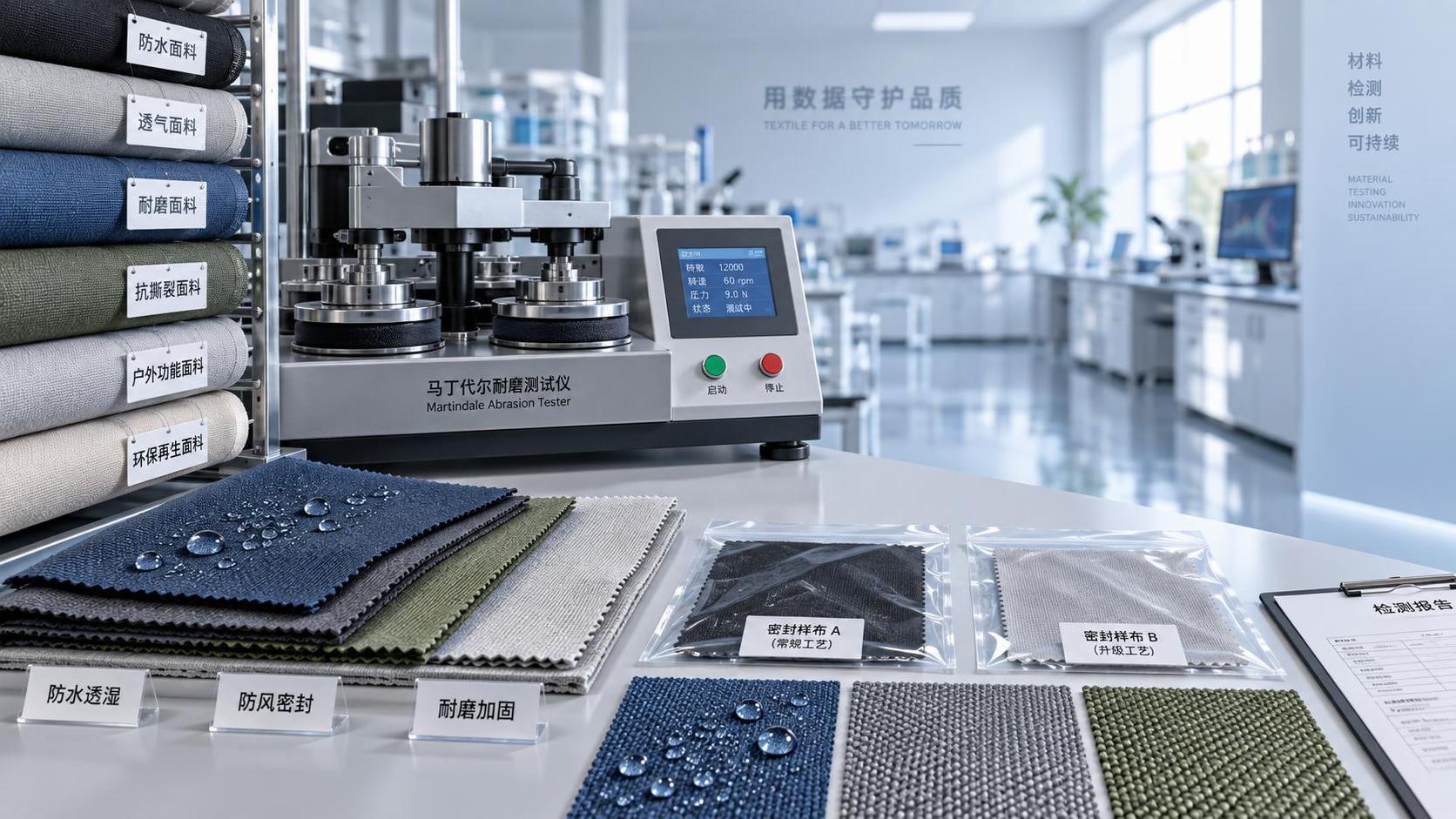
Fabric Shrinkage Guide: Test Methods and Control Standards


A reliable fabric shrinkage guide starts with a simple truth: shrinkage is not a minor finishing detail. It is a performance indicator that influences fit, appearance, usability, and claims compliance across textiles, apparel, furnishings, gifts, and outdoor products.
For teams balancing design intent with manufacturing reality, shrinkage data helps turn laboratory numbers into production decisions. That matters even more in supply chains where aesthetic value, material innovation, and quality consistency now move together.
Why shrinkage has become a strategic quality issue
Fabric shrinkage refers to the dimensional change of a textile after washing, steaming, wet processing, or heat exposure. The change may occur in length, width, or both directions.
In commercial terms, the effect reaches far beyond the test report. A shirt may twist after laundering. A sofa cover may lose fit. A camping liner may distort under repeated washing.
That is why a fabric shrinkage guide matters across the broader soft industry landscape. GLC follows this topic closely because product beauty and product stability must support each other, not compete.
Consumer expectations have also shifted. Buyers now compare not only color and hand feel, but also wash durability, post-care appearance, and consistency between samples and final delivery.
In practical sourcing, shrinkage often becomes a hidden cause of claims, rework, delayed approvals, and margin loss. That is especially true when design teams, mills, converters, and factories use different assumptions.
What shrinkage really includes in technical evaluation
A useful fabric shrinkage guide should separate visible symptoms from root causes. Dimensional change is the result. The real drivers sit in fiber behavior, construction, finishing history, and end-use conditions.
Main technical drivers
- Fiber type, including cotton, viscose, wool, polyester, nylon, and blends
- Yarn structure, twist level, and tension memory
- Fabric construction, especially knit versus woven behavior
- Dyeing, washing, heat setting, sanforizing, compacting, or resin finishing
- Consumer care conditions such as wash temperature, agitation, and tumble drying
Knits usually present higher shrinkage risk because loop structures relax more easily. Wovens often behave more predictably, but finishing tension can still create delayed shrinkage after laundering.
Blended materials add another layer. A polyester-cotton fabric may reduce total shrinkage, yet uneven response between fibers can create puckering, seam stress, or shape instability.
This is where the fabric shrinkage guide becomes a decision tool rather than a reference note. The goal is not only to record change, but to understand whether the change is controllable, acceptable, and repeatable.
Core test methods used in the market
No single test method fits every product. The selected method should reflect fabric category, care instruction, market destination, and likely use conditions.
Common standards and approaches
Most methods mark benchmark distances on conditioned specimens, expose them to controlled treatment, then calculate percentage change. The process sounds straightforward, but reliability depends on strict specimen preparation and conditioning.
A fabric shrinkage guide should also remind users that results from different standards are not always interchangeable. Machine type, load size, drying procedure, and detergent conditions can alter the outcome.
How to read shrinkage results without oversimplifying them
A shrinkage percentage only becomes meaningful when tied to product purpose. A result of minus 3 percent may be acceptable for one category and completely unsuitable for another.
Lengthwise and widthwise movement should be reviewed separately. Balanced shrinkage can sometimes be managed through pattern allowance. Unbalanced shrinkage often leads to distortion, torque, or poor fit retention.
Key interpretation points
- Check whether the sample was finished, prewashed, or only greige-dyed
- Compare test conditions with the care label actually planned for sale
- Review repeatability across lots, not only one lab submission
- Look for interaction with skew, spirality, seam slippage, and appearance change
- Confirm whether the result reflects first wash only or multiple care cycles
This broader reading matters in categories tracked by GLC, where craftsmanship quality and design value must survive real-life use. A refined surface loses commercial value quickly when dimensions fail after care.
Control standards and acceptable ranges in business practice
There is no universal pass line for every material. Control standards usually come from a mix of buyer specification, national standard, category convention, and end-use risk.
Apparel basics may allow a narrow shrinkage range if fit is critical. Loose home textiles may tolerate slightly more movement. Outdoor functional products often require tighter control when layering or insulation performance depends on geometry.
A practical fabric shrinkage guide treats the standard as a control window, not just a pass or fail line. The useful question is whether the current process can hold that window consistently in bulk production.
What good control standards usually include
- Defined test method and exact wash or heat procedure
- Separate limits for warp and weft, or wale and course
- Sampling rules by color, lot, and finish variation
- Reference to finished goods, not only fabric stage
- Action thresholds for warning, hold, and release decisions
Without that level of detail, teams often approve fabric that passes a lab test but fails after cutting, sewing, bonding, or final pressing.
Where shrinkage control matters across sectors
The topic is often associated with apparel, but the value of a fabric shrinkage guide extends much further.
That wider relevance reflects the GLC view of modern soft industries. Materials are no longer judged only by cost and texture. They are judged by how well craftsmanship, durability, and design consistency hold together.
Practical ways to improve shrinkage control
Better results usually come from process discipline more than from one corrective finish. The earlier shrinkage risk is identified, the easier it is to control cost and quality together.
- Align lab methods with the target market before material approval
- Test bulk fabric, not only development swatches
- Record shrinkage by lot, finish route, and machine setting
- Watch finishing tension and drying temperature closely
- Review pattern allowance only after process stability is understood
- Recheck after garment wash, lamination, coating, or bonding if used
In many cases, recurring shrinkage problems are traceable to inconsistent finishing or to early approvals made from unrepresentative samples. Data discipline often solves more than emergency reprocessing.
A stronger basis for next decisions
The best fabric shrinkage guide does not stop at listing methods and standards. It supports better judgment across sourcing, specification writing, product development, and post-market quality review.
A useful next step is to map shrinkage risk by fabric type, finishing route, and product category, then compare that map with current test methods and tolerance windows. Gaps usually appear quickly.
From there, decisions become clearer: refine the standard, adjust the finish, retest under realistic care conditions, or redesign the quality gate before bulk commitment. That is where shrinkage data starts creating real operational value.