How to Compare Home Furniture Online Without Costly Mistakes

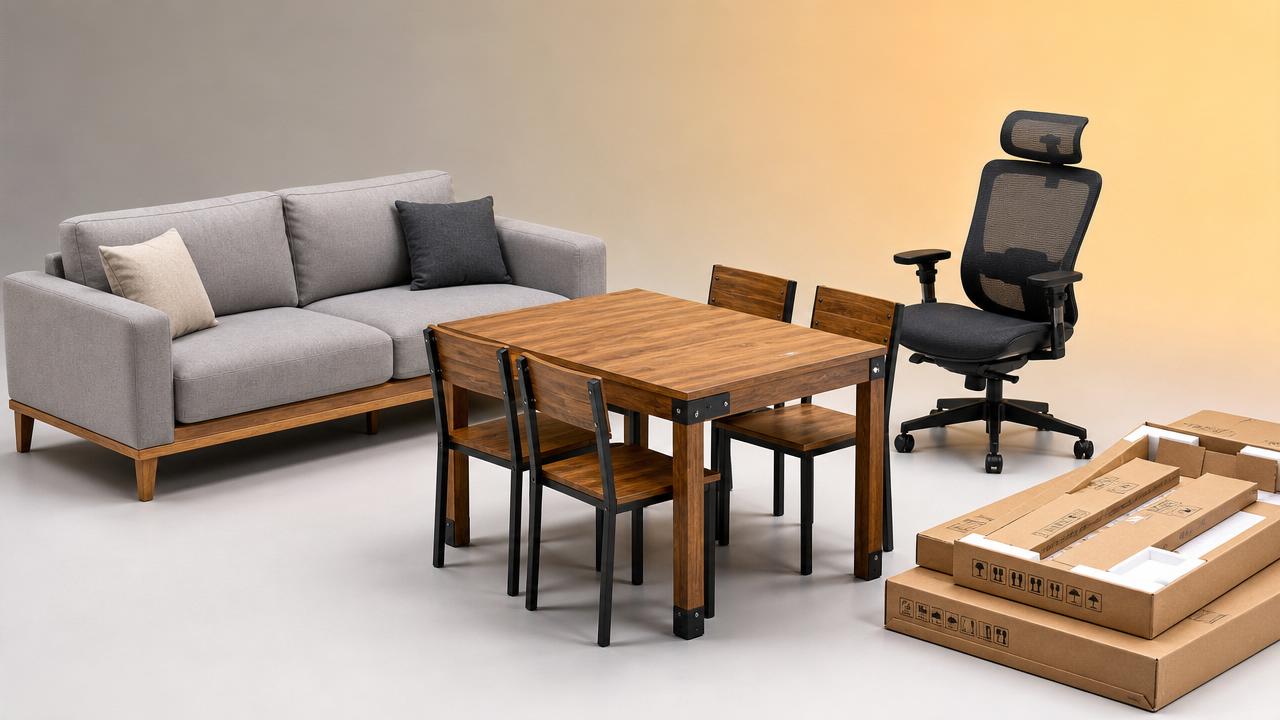
Comparing home furniture online can streamline sourcing or trigger expensive mistakes. Photos rarely reveal durability, finish consistency, packaging quality, or lead-time reliability across global supply chains.
A better comparison process connects design intent with materials, craftsmanship, compliance, and fulfillment logic. That approach reduces returns, protects budgets, and improves confidence before committing to volume.
Why comparison criteria change across real buying scenarios
Not every furniture decision follows the same priorities. Residential resale, office fit-out, hospitality furnishing, and cross-border retail each demand different evaluation standards and risk controls.
When reviewing home furniture online, the right question is not only, “Which item looks best?” It is, “Which option fits the actual use case without hidden downstream costs?”
That shift matters because a sofa suitable for boutique interiors may fail volume packaging tests. A stylish dining set may also miss compliance, assembly, or maintenance expectations.
Aesthetic appeal alone is not a safe comparison method
Online listings emphasize lifestyle photography. Yet digital styling can hide scale distortion, uneven seams, unstable structures, low-density foam, or thin veneer over weak substrate materials.
A reliable comparison model should review specification depth, testing evidence, finish detail, hardware quality, replacement parts availability, and supplier communication speed.
Scenario one: comparing home furniture online for residential resale
Residential resale usually prioritizes visual appeal, price competitiveness, carton efficiency, and broad consumer acceptance. Here, trend relevance matters, but consistency matters more.
When comparing home furniture online for resale, check whether colorways, dimensions, and assembly steps remain stable across repeated production batches.
Key judgment points for resale-oriented selection
- Flat-pack efficiency and freight impact
- Assembly time and customer complaint risk
- Photo-to-reality consistency in color and texture
- Surface durability against daily household use
- Availability of replacement hardware and spare parts
This scenario rewards suppliers that document packaging tests, carton drop performance, and simple instruction design. Minor failures here quickly become expensive service issues later.
Scenario two: comparing home furniture online for office and hybrid spaces
Office and hybrid environments demand a different balance. Visual cohesion still matters, but ergonomics, modularity, cleaning performance, and lifecycle value become central.
For this scenario, home furniture online listings should be reviewed like workspace assets, not decorative pieces. Materials must support frequent use and easier maintenance.
Core checks for office-style furniture comparison
- Seat height, back support, and ergonomic dimensions
- Scratch resistance and stain-cleaning performance
- Cable management or space-saving design details
- Modular replacement instead of full-unit disposal
- Lead times for repeat orders and matching finishes
A chair with attractive proportions may still underperform if adjustment hardware fails early. A desk may look refined online but lack structural rigidity after repeated relocation.
Scenario three: comparing home furniture online for hospitality and guest-facing interiors
Hospitality projects demand a stronger mix of aesthetics and industrial discipline. Furniture must photograph well, endure high turnover, and remain serviceable under operational pressure.
In this setting, comparing home furniture online means checking whether luxury appearance is supported by contract-grade construction, stable finishes, and practical maintenance routines.
What matters most in hospitality-style sourcing
- Fabric abrasion resistance and cleanability
- Corner protection, edge treatment, and joint strength
- Fire-related or local compliance documentation where required
- Batch consistency across many rooms or zones
- Maintenance access for glides, legs, and upholstery parts
A premium look has little value if touch-up kits, replacement fabric, or matching stain codes are unavailable. Operational continuity often matters more than a lower initial quote.
Scenario four: comparing home furniture online for cross-border e-commerce
Cross-border e-commerce adds logistics complexity. Dimensional weight, customs documentation, packaging durability, and return feasibility often decide whether a product is commercially viable.
When selecting home furniture online for international fulfillment, compare not only product price, but landed cost, claim frequency, and damage exposure during long transit routes.
Critical checks for international online comparison
- Carton dimensions versus freight thresholds
- Moisture protection and corner reinforcement
- Material declarations and destination-market requirements
- Instruction clarity for self-assembly end users
- Return handling cost compared with unit margin
A low unit price can become unworkable if breakage rates are high. Good packaging engineering often creates more value than small manufacturing discounts.
How scenario needs differ when you compare home furniture online
Practical ways to compare home furniture online with fewer mistakes
A structured checklist is more reliable than intuition. It helps compare different suppliers fairly, especially when product styling appears similar across many online catalogs.
Use this evaluation sequence
- Confirm dimensions, usable space, and load assumptions.
- Request material details, not only finish names.
- Review joinery, hardware, and internal construction photos.
- Ask for testing reports, compliance files, and care guidance.
- Check packaging method, carton specification, and drop testing.
- Compare lead times, MOQ, and repeat-order stability.
- Validate sample quality before scaling volume.
This method turns home furniture online comparison into a controlled sourcing exercise. It also aligns better with GLC’s focus on aesthetics backed by craftsmanship and industrial standards.
Common misjudgments when comparing home furniture online
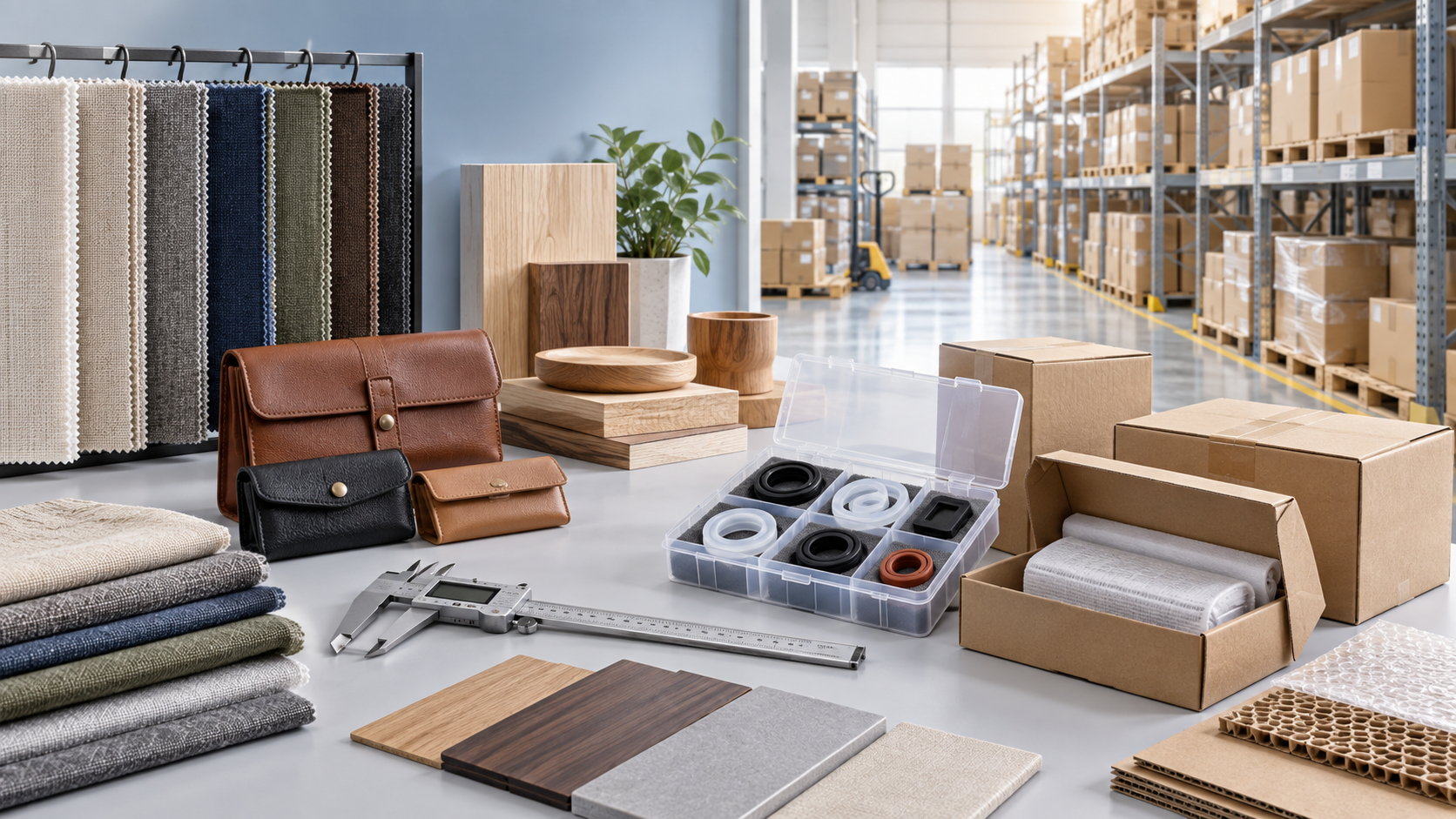
One common mistake is trusting finish names without substrate details. “Oak look” may describe veneer, paper laminate, printed foil, or engineered wood with very different durability.
Another mistake is comparing quotations without packaging assumptions. Two similar cabinets may differ greatly in freight cost because of carton size, foam protection, or assembly configuration.
Many buyers also overlook tolerances. Small dimensional deviations can create installation issues, visual inconsistency, or fit problems in space-planned layouts.
Lead time is often misunderstood too. A fast sample does not guarantee stable bulk production. Real capacity, material sourcing, and quality control cadence must be verified separately.
Warning signs worth slowing down for
- Incomplete dimensions or missing back-view images
- No close-up details of seams, joints, or edges
- Unclear material descriptions or generic test claims
- Large quote gaps without technical explanation
- Slow answers on replacement parts or repeatability
Next steps to compare home furniture online with confidence
Start by defining the real use scenario before reviewing listings. Then build a comparison sheet covering materials, dimensions, structure, packaging, compliance, and lead-time reliability.
Shortlist only the options that satisfy scenario-specific needs. From there, request deeper technical evidence, evaluate samples, and estimate landed cost rather than unit price alone.
The smartest way to compare home furniture online is to treat design and craftsmanship as one decision. Better clarity today prevents expensive corrections after ordering.
With disciplined comparison, online furniture sourcing becomes less about guesswork and more about selecting quality, fit, and long-term value across changing market scenarios.