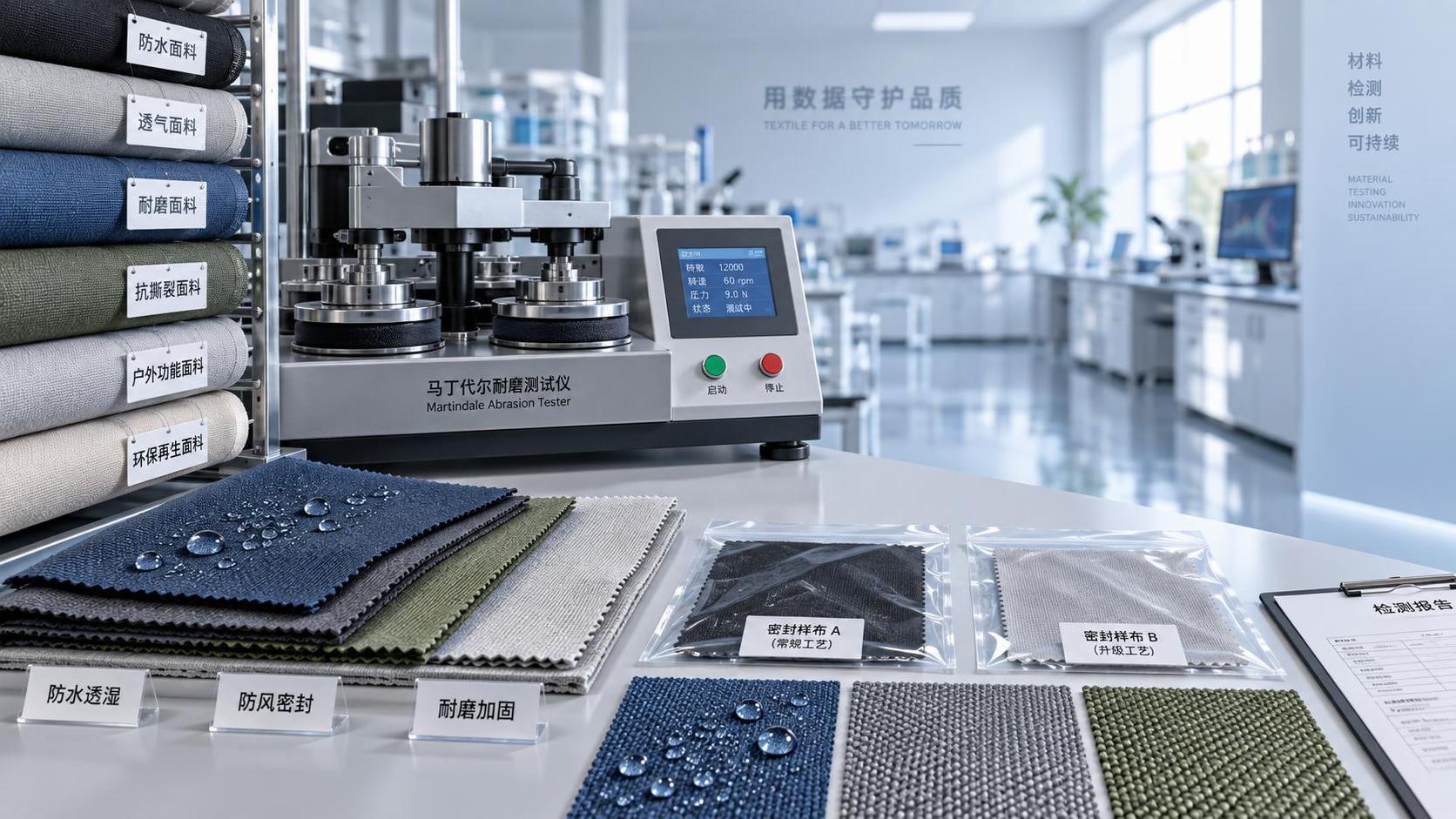
Innovative Textiles: Performance Tests That Matter

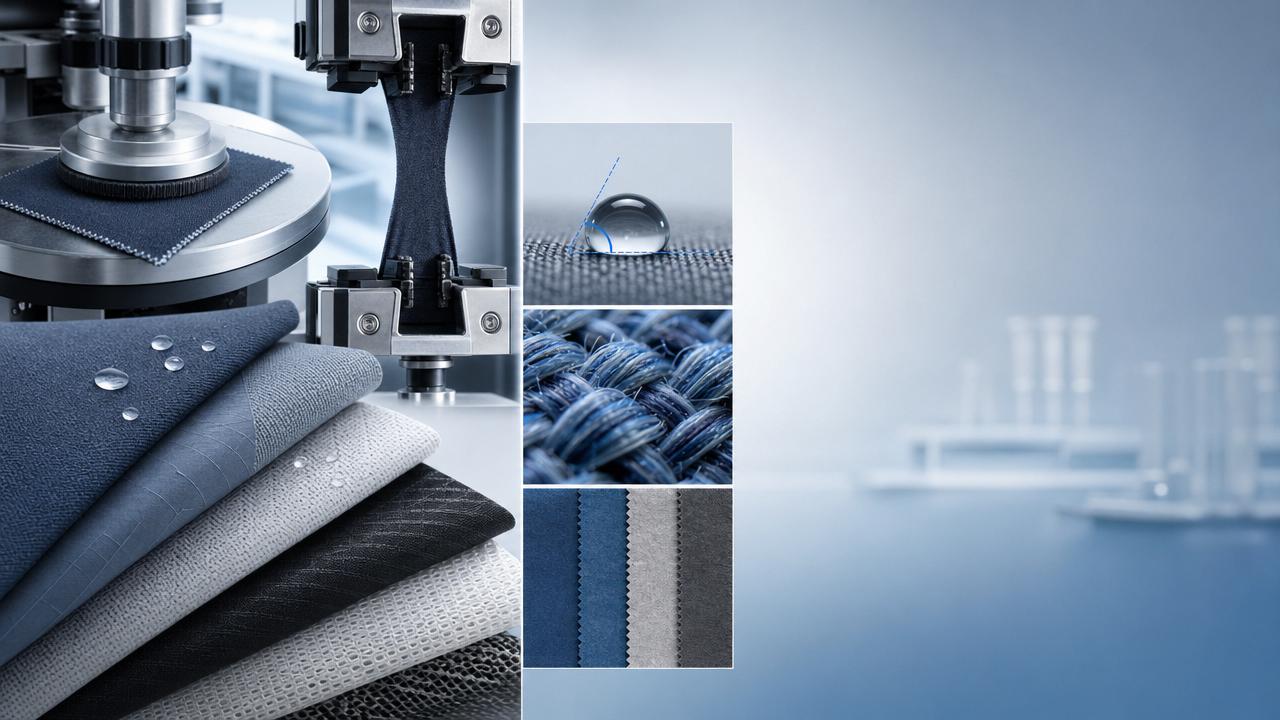
In a market where material innovation must prove real-world value, innovative textiles are judged by the performance tests that truly matter. Technical credibility now matters as much as visual appeal. Strong testing links advanced fabric ideas with industrial standards, supply chain trust, and reliable end-use performance.
For sectors spanning apparel, interiors, gifts, and outdoor living, innovative textiles are no longer evaluated by touch alone. They must withstand friction, moisture, heat, repeated care, and changing user expectations. The gap between a promising sample and a scalable material is often revealed by the right test data.
Why innovative textiles are entering a stricter proof-driven era
Across the broader lifestyle industry, design cycles are faster, compliance demands are tighter, and sustainability claims are under closer review. That shift has changed how innovative textiles are selected, specified, and commercialized.
A fabric once approved for appearance may now require evidence of abrasion resistance, wash durability, thermal stability, or chemical safety. Performance tests have become decision tools, not optional technical attachments.
This trend is especially visible where aesthetics meet utility. Upholstery, technical fashion, footwear components, workspace materials, and outdoor products all depend on textiles that can perform consistently under pressure.
The strongest market signals are coming from performance expectations
The rise of innovative textiles is not only about new fibers. It is also about proving that those fibers deliver measurable value after manufacturing, transport, retail handling, and actual use.
Key signals shaping evaluation standards
- More buyers request test-backed claims instead of brochure language.
- Sustainability expectations now include durability and lifecycle performance.
- Multi-use products require textiles to balance comfort and technical reliability.
- Global sourcing raises the need for comparable standards across regions.
- Returns and complaints often trace back to weak performance validation.
These signals explain why innovative textiles are increasingly judged through testing frameworks that connect laboratory indicators with market reality. Materials that cannot hold performance through production variation often struggle in scale-up.
The performance tests that matter most for innovative textiles
Not every application needs the same metrics. Still, several categories consistently define whether innovative textiles can succeed across industries.
Core test categories and why they matter
Among these, abrasion, colorfastness, and strength remain foundational. However, innovative textiles often gain market advantage through combined performance, such as softness plus durability, or water resistance plus breathability.
Why these testing demands are rising across industries
The stronger focus on testing is driven by several connected changes in product development and global trade. Each factor pushes innovative textiles toward more transparent validation.
Main drivers behind the shift
- Compressed launch cycles reduce tolerance for late-stage material failure.
- Cross-border sourcing requires consistent data between labs and factories.
- Consumers expect lasting value, not short-lived novelty.
- Regulatory review increasingly targets traceability and chemical compliance.
- Sustainability goals favor durable materials with fewer replacement cycles.
This matters beyond textiles alone. In the wider soft industry, testing now supports better communication between design teams, production partners, and quality control systems. It reduces ambiguity before volume commitments are made.
How innovative textiles affect different business stages
The influence of performance-tested innovative textiles reaches far beyond the laboratory. It changes how materials are chosen, priced, marketed, and supported after launch.
Development and sourcing impact
Earlier testing helps filter out attractive but unstable options. That improves sample efficiency and prevents delays caused by inconsistent finishing, coating, or fiber blending behavior.
Standardized data also makes supplier comparison more objective. When innovative textiles are reviewed with aligned metrics, decisions become less dependent on claims and more dependent on repeatable evidence.
Brand value and end-use impact
Reliable performance supports stronger product positioning. A textile that maintains appearance after washing or resists pilling in public seating strengthens trust across retail, hospitality, office, and outdoor applications.
It also improves lifecycle economics. Fewer failures mean lower replacement frequency, fewer complaints, and more credible sustainability messaging grounded in actual longevity.
What deserves closer attention when reviewing innovative textiles
Strong test results are useful only when interpreted in context. A high score in one area does not guarantee balanced performance across all conditions.
- Check whether test conditions match real use environments.
- Review pre-treatment, washing cycles, and finishing changes before testing.
- Compare laboratory performance with pilot production samples.
- Look for trade-offs between comfort, protection, and durability.
- Confirm whether standards used are accepted in target markets.
- Track consistency between batches, not just single-sample excellence.
For innovative textiles, repeatability is often more valuable than an isolated top result. Scalable quality depends on stable yarn input, controlled finishing, and disciplined process management.
A practical framework for future evaluation and response
A useful evaluation framework should connect technical metrics with commercial relevance. This helps innovative textiles move from concept appeal to dependable market adoption.
This approach supports the broader mission of connecting aesthetics with craftsmanship. It also reflects the need for innovative textiles to deliver beauty, functionality, and compliance at the same time.
The next move is to turn test data into better material decisions
The future of innovative textiles will belong to materials that can prove their value under realistic conditions. Testing is no longer a final checkpoint. It is an early strategic filter and a long-term quality signal.
A practical next step is to build a textile review matrix around end-use demands, key standards, and batch consistency. That creates clearer alignment between design ambition, factory capability, and market expectations.
For ongoing insight into innovative textiles, technical standards, and cross-industry material trends, GLC continues to connect global aesthetics with craftsmanship intelligence. Better testing decisions today shape more resilient products tomorrow.