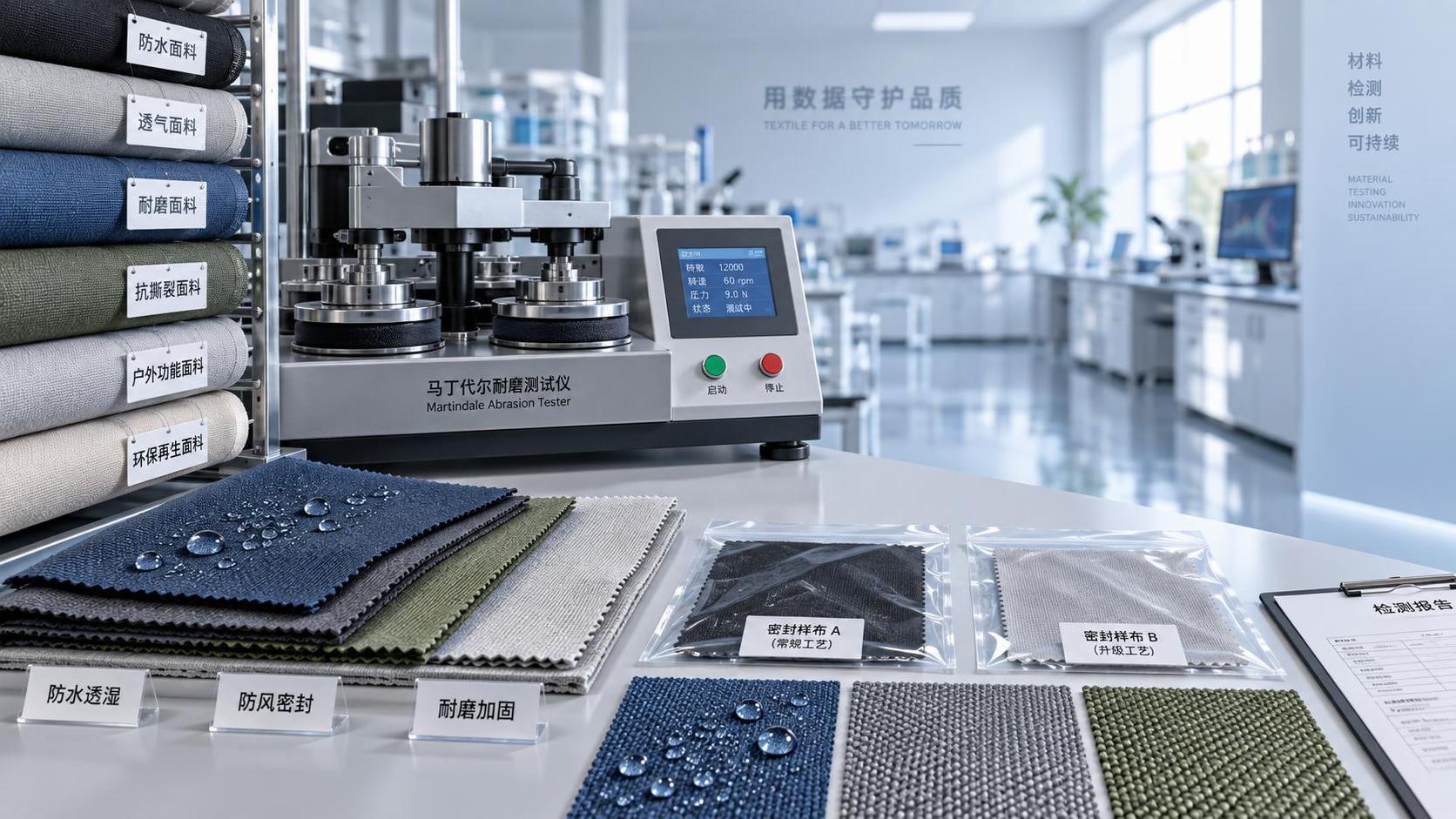
Textile Design Mistakes That Weaken Functional Fabric Performance

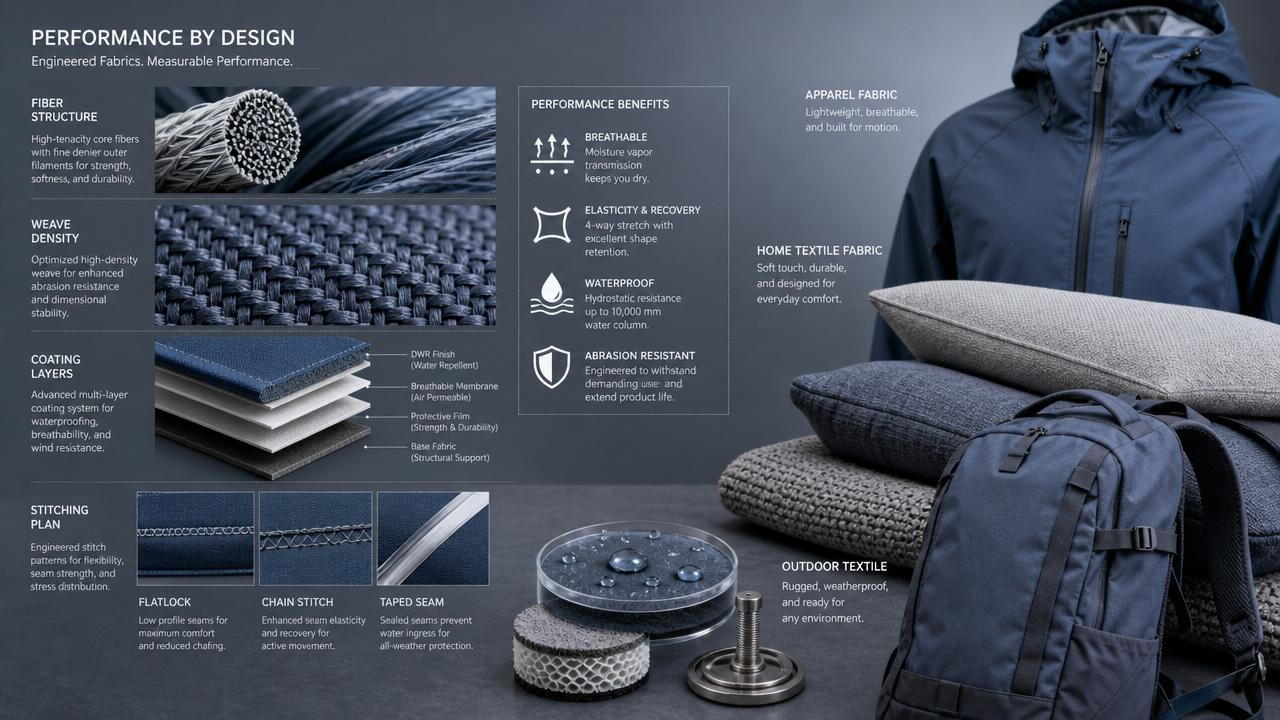
When functional fabrics fail in real use, the root cause is often hidden in early textile design decisions. A fabric may pass visual review yet still lose breathability, stretch recovery, abrasion resistance, or weather protection after production.
That is why textile design must be evaluated as a performance system, not only as a style exercise. Fiber choice, yarn structure, pattern density, coating logic, seam planning, and finishing compatibility all interact.
For sectors spanning apparel, interiors, gifts, and outdoor products, weak textile design can trigger returns, compliance issues, shortened product life, and damaged brand trust. The mistakes below are common, but they are also preventable.
What does poor textile design really mean in functional fabric development?
Poor textile design is not limited to unattractive patterns or outdated colors. In technical terms, it means design choices that reduce the intended fabric performance during manufacturing or use.
A strong textile design supports the end-use target. A weak one introduces conflict between appearance, comfort, process stability, and protection requirements.
For example, a dense decorative print may block moisture transport. A brushed surface may improve hand feel but increase pilling. A laminated layer may add protection while reducing stretch and drape.
In cross-industry applications, the same textile design mistake can create different failures. In sportswear, it may trap heat. In upholstery, it may reduce abrasion life. In outdoor gear, it may compromise waterproof integrity.
Key warning signs during review
- Performance claims are added after the visual concept is fixed.
- Material selections are based mainly on cost or trend appeal.
- No early test plan is linked to the textile design brief.
- Surface decoration is approved before breathability or stretch evaluation.
Which textile design mistakes most often weaken fabric performance?
Several mistakes appear repeatedly across technical fabrics. They often seem minor at concept stage, but their impact grows during scaling, finishing, and wear.
1. Choosing fibers without matching the use environment
The first textile design error is selecting fibers for appearance only. A smooth filament may look premium, yet perform poorly in heat, friction, or repeated laundering.
Functional fabrics require fiber decisions tied to moisture behavior, thermal needs, UV exposure, chemical contact, and mechanical stress. Ignoring those conditions weakens the whole structure.
2. Overcomplicating yarn and weave structures
Complexity does not always improve value. A highly decorative weave may reduce uniformity, create snag risks, or make coating and dye penetration inconsistent.
If the textile design adds texture without considering tensile balance, the fabric may distort, curl, or lose stability after finishing.
3. Applying prints, embossing, or coatings too aggressively
Surface treatments are frequent sources of hidden loss. Heavy prints can seal pores. Thick coatings can reduce softness. Embossing can flatten loft or alter stretch direction.
This textile design mistake is especially serious in activewear, medical textiles, protective covers, and outdoor products where comfort and transfer properties matter.
4. Ignoring seam, panel, and pattern engineering
Functional performance is not created by fabric alone. Poor panel placement can stress weak areas, interrupt stretch zones, or expose waterproof lines to failure.
A good textile design considers where the material will bend, rub, absorb pressure, or require ventilation. Visual symmetry should not override use mechanics.
5. Failing to account for finishing compatibility
Some substrates react badly to heat setting, washing, lamination, or water-repellent finishing. If this is missed, the textile design may look correct in sampling but fail after production.
How do these mistakes affect different functional fabric applications?
The same textile design flaw can create very different results depending on the product category. Evaluating by end-use is essential for accurate risk control.
Apparel and wearable textiles
In clothing, poor textile design often reduces moisture management, mobility, and skin comfort. Stretch zones may fail, or decorative layers may trap heat during movement.
Home, office, and furnishing fabrics
For seating, curtains, and soft interiors, textile design mistakes usually appear as abrasion loss, seam stress, fading, coating cracks, or unstable dimensional behavior.
Outdoor and leisure products
In tents, covers, bags, and technical apparel, weak textile design can reduce hydrostatic resistance, tear strength, UV life, and packability. One wrong finish may affect all four.
Gift and crafted textile products
Decorative gift items often prioritize visual appeal. Yet textile design still matters. Surface embellishment, adhesive layers, and mixed-material construction can lower durability and perceived quality.
How can textile design teams identify risks before testing failure appears?
Early identification depends on connecting design review with measurable performance targets. The best prevention method is a structured pre-sample checklist.
Use a performance-first review sequence
- Define the use case: indoor, outdoor, contact level, wash frequency, and climate exposure.
- Match fiber and yarn choices to target properties.
- Review weave, knit, or nonwoven structure for stability and processability.
- Evaluate all decorative and functional finishes together.
- Confirm seam, pattern, and panel logic before pilot production.
Ask practical questions during textile design validation
- Will this surface treatment block airflow or moisture transfer?
- Does the pattern increase weak points under repeated flexing?
- Can the chosen finish survive laundering, rubbing, or UV exposure?
- Will scaling alter tension, drape, or coating uniformity?
What is the difference between visual innovation and performance-safe textile design?
Visual innovation adds market distinction. Performance-safe textile design protects use value. The challenge is balancing both without letting one damage the other.
A successful approach does not reject creativity. It tests whether the creative idea can survive manufacturing, finishing, aging, movement, and cleaning.
What practical steps reduce textile design mistakes and protect long-term value?
Better textile design comes from disciplined coordination between aesthetics, material science, and production reality. Small changes early can prevent expensive correction later.
Recommended actions
- Build the design brief around use conditions, not only trend boards.
- Require early compatibility checks between substrate and finish.
- Test small construction changes before approving visual details.
- Compare lab data with real-use simulation whenever possible.
- Document every textile design assumption that affects performance claims.
Quick FAQ reference table
In the end, functional fabric quality is shaped by the discipline of textile design. Every visual decision should be tested against use, process, and durability logic.
For brands and product teams navigating global craftsmanship and industrial standards, stronger textile design review creates better products, fewer failures, and more credible performance claims.
Use these questions as a working checklist in the next development cycle. Catching one hidden textile design flaw early can protect product value long after launch.