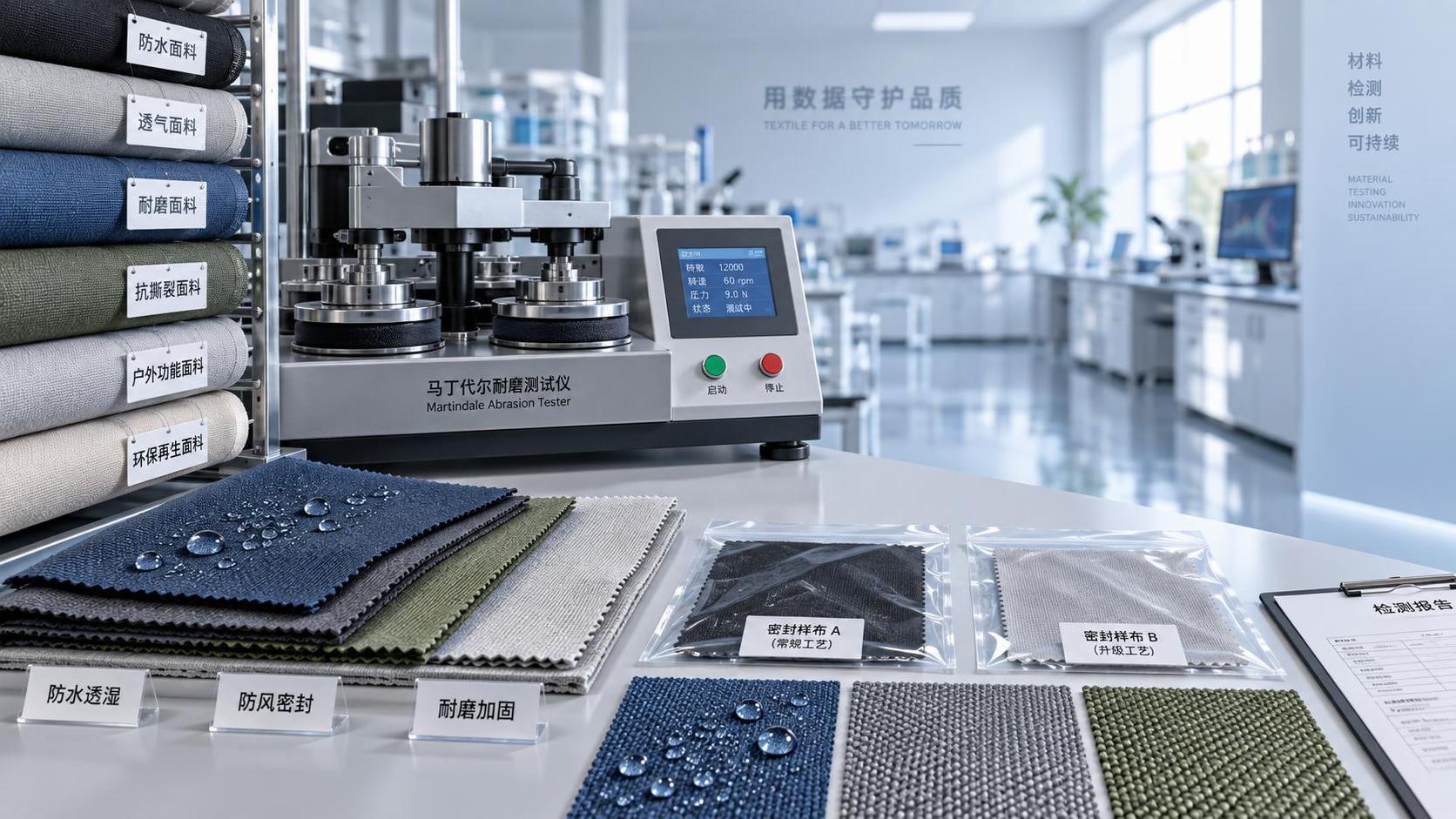
Textile Industry Trends Reshaping Functional Fabrics in 2026

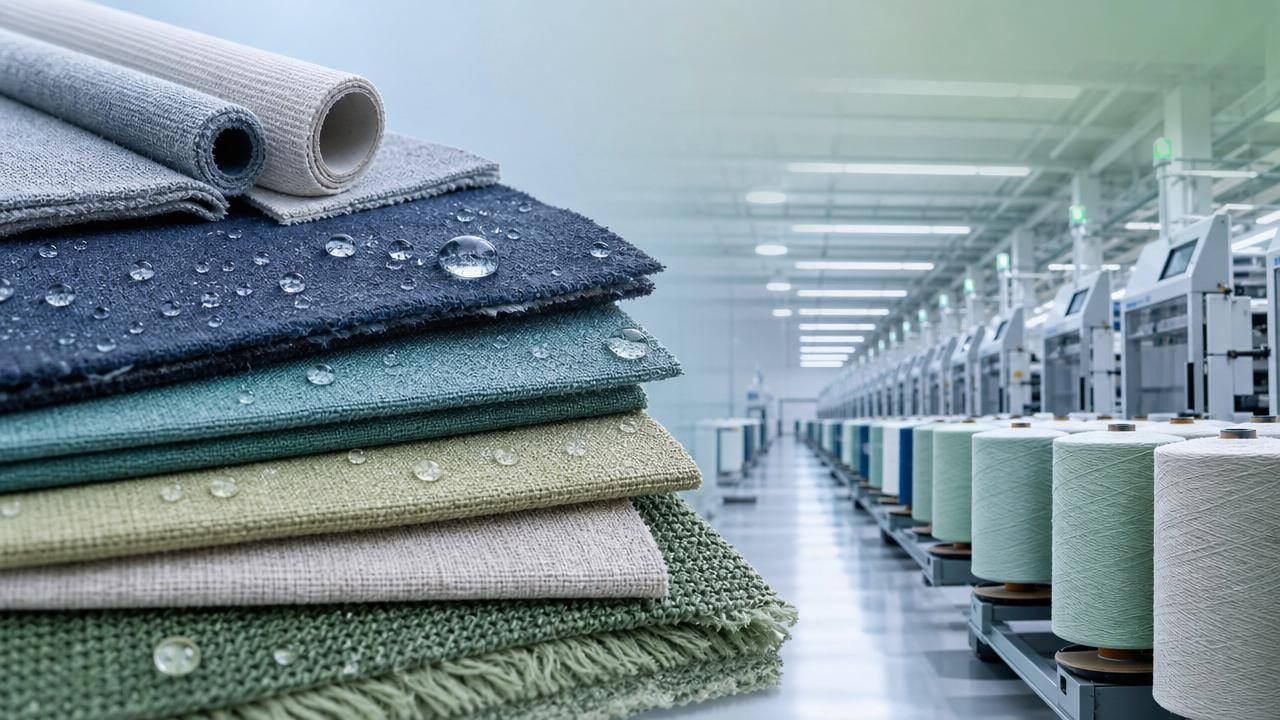
As performance, sustainability, and digital manufacturing converge, the textile industry is entering a decisive shift in 2026. Functional fabrics are no longer defined only by moisture control or durability; they now reflect deeper changes in fiber science, supply chain intelligence, consumer lifestyles, and global design priorities. For researchers tracking where textiles, apparel, outdoor gear, and living products are heading, these trends reveal how innovation is moving from material laboratories into scalable craftsmanship, reshaping both product value and market competition.
For B2B researchers, the key question is no longer whether functional textiles will grow, but which material platforms, processing routes, and supplier capabilities can support repeatable value at scale. In 2026, credible insight requires looking across fiber chemistry, finishing technology, digital sampling, circularity claims, and end-use validation.
Functional Fabrics Move from Single Performance to Multi-Scenario Value
The textile industry is shifting from one-function selling points toward fabric systems designed for 3–5 use conditions. A jacket shell, office chair textile, travel bag lining, or outdoor base layer may need comfort, abrasion resistance, wash durability, lower-impact sourcing, and visual consistency at the same time.
Why “performance only” is no longer enough
In earlier product cycles, buyers often compared fabrics through isolated claims such as waterproof rating, stretch recovery, or anti-pilling grade. By 2026, procurement teams increasingly ask how those claims behave after 20–50 wash cycles, 8-hour daily wear, or repeated folding during shipment.
This creates a more demanding evaluation environment. A fabric with excellent initial moisture management may still fail if color migration, hand-feel change, or coating delamination appears during real use. The textile industry therefore needs testing logic that connects laboratory indicators with lifestyle scenarios.
Typical performance combinations in 2026 product briefs
- Outdoor apparel: 10,000–20,000 mm water resistance, 5,000–15,000 g breathability, and stable seam compatibility.
- Workwear: abrasion resistance, colorfastness to washing above grade 4, and comfort during 8–10 hour shifts.
- Home and office textiles: stain control, reduced odor retention, tactile softness, and repeatable batch shade within acceptable tolerance.
- Travel goods: tear strength, lightweight structure, coating adhesion, and packing resistance over 3–6 seasonal collections.
For information researchers, these combinations matter because they reveal where suppliers are investing. The most competitive mills are not simply adding finishes; they are aligning yarn selection, weaving or knitting density, dyeing control, lamination, and final inspection into one development route.
Material Innovation: Sustainable Fibers Become Functional Platforms
Sustainability is becoming inseparable from fabric performance. The textile industry is moving beyond basic recycled content claims toward materials that must satisfy both environmental expectations and practical product requirements such as strength, dye uptake, thermal comfort, and process stability.
In 2026, the strongest opportunities are likely to emerge from 4 material directions: recycled synthetics, bio-based polymers, regenerated cellulosics, and blended yarn engineering. Each route has advantages, but each also carries sourcing, testing, and cost-control risks.
The following comparison helps researchers and buyers evaluate how different fiber platforms influence functional fabric development across apparel, outdoor equipment, furnishing, and lifestyle products.
The key lesson is that greener materials do not automatically equal better functional fabrics. In the textile industry, a credible sustainable textile must pass performance validation, supply continuity checks, and end-of-life thinking before it becomes a scalable commercial solution.
From fiber choice to craftsmanship control
Material innovation also raises the importance of craftsmanship. A recycled filament yarn may perform differently depending on twist level, filament count, fabric density, and finishing temperature. Small changes of 3–5 percent in process settings can influence shrinkage, hand-feel, or coating bonding.
This is where cross-disciplinary intelligence becomes valuable. Researchers need to connect textile technology with product aesthetics, manufacturing feasibility, and supplier discipline. The future of the textile industry will be shaped by factories that can translate laboratory concepts into controlled production batches.
Digital Manufacturing and Supply Chain Intelligence Redefine Speed
Digital transformation is changing how functional fabrics are developed, sampled, approved, and scaled. In the textile industry, lead time pressure is intense: brands may request lab dips in 3–7 days, proto samples in 2–4 weeks, and bulk planning within a 60–90 day seasonal window.
The new fabric development workflow
Digital tools are not replacing craftsmanship; they are making it easier to document and repeat. Color management, 3D material simulation, automated cutting data, production dashboards, and defect mapping allow teams to identify risks before fabric reaches final assembly.
- Define end-use scenario, target retail tier, and required fabric hand-feel.
- Select fiber route, yarn specification, structure, and finishing concept.
- Run lab-scale trials with 3–6 measurable performance indicators.
- Confirm color, shrinkage, strength, and compatibility with garment or product construction.
- Transfer approved parameters into bulk production with inspection checkpoints.
A structured 5-step workflow reduces decision ambiguity. It also supports clearer communication between mills, brands, sourcing offices, designers, and quality teams, especially when functional fabrics are used across apparel, footwear components, office furnishings, and outdoor lifestyle products.
Where digitalization creates measurable value
Digital color control can reduce repeated lab dip cycles from 4 rounds to 2 rounds when standards are well managed. Fabric defect tracking can identify recurring loom, knitting, coating, or finishing problems before they become shipment-level disputes.
For researchers examining the textile industry, the most relevant signal is supplier transparency. A capable partner should explain production tolerances, inspection frequency, test methods, and corrective actions rather than relying only on sales claims.
Application Trends Across Apparel, Interiors, Gifts, and Outdoor Living
Functional fabrics are expanding beyond sportswear. The textile industry now supports hybrid lifestyles where home, office, travel, gifting, and outdoor recreation overlap. A single material concept may influence ergonomic seating, soft luggage, technical uniforms, protective accessories, and premium lifestyle collections.
Apparel and outdoor gear: comfort under changing climates
Functional apparel development increasingly focuses on temperature variability. Layering systems, sun-protective textiles, wind-resistant shells, and quick-dry base fabrics must support comfort across 10°C–30°C use environments, especially for commuting, hiking, camping, and water-adjacent activities.
Buyers are also examining whether waterproof breathable membranes, durable water repellent finishes, and stretch components align with restricted substance requirements and practical care conditions. A finish that performs well initially but weakens after 10 washes may not support long-term brand credibility.
Office and living spaces: soft materials with technical discipline
As hybrid work stabilizes, interior textiles are becoming more performance oriented. Office seating, acoustic panels, curtains, and modular furniture fabrics may require abrasion ratings, flame-retardant options, stain resistance, and color consistency over large surface areas.
The textile industry must balance aesthetic warmth with compliance-aware production. For example, furnishing fabric projects often require larger batch coordination than apparel sampling, with shade variation managed across 500–2,000 meters depending on order scale.
Gifts and digital craftsmanship: personalization meets material reliability
Gift products are also absorbing textile innovation. Embroidered pouches, digitally printed scarves, branded travel organizers, and cultural lifestyle objects need materials that support sharp decoration, stable hand-feel, and responsible sourcing narratives.
This area rewards suppliers that understand both design expression and production repeatability. Digital printing, laser cutting, heat transfer, and small-batch customization can shorten development cycles to 7–15 days, but only when fabric preparation is stable.
How Researchers and Buyers Should Evaluate Functional Fabric Suppliers
The textile industry offers many promising claims, but B2B decision makers need a practical evaluation framework. Functional fabric sourcing should combine technical data, supplier transparency, production discipline, sustainability evidence, and after-sales responsiveness.
The following table organizes common evaluation factors for researchers comparing mills, converters, finishing partners, and sourcing platforms in 2026.
A supplier with strong storytelling but weak documentation creates risk. Conversely, a technically disciplined partner can help brands refine claims, avoid over-specification, and select fabrics that match the real expectations of target users.
Key questions before committing to development
- Which 3 performance indicators are essential, and which are secondary marketing benefits?
- Can the supplier reproduce the approved sample within agreed shade and hand-feel tolerance?
- Does the material require special sewing, bonding, lamination, or care-label guidance?
- What happens if a key yarn, finish, or membrane becomes unavailable during the season?
- Can sustainability claims be explained clearly to downstream brands and consumers?
These questions turn fabric sourcing into strategic risk management. They are especially important for small and medium-sized enterprises seeking to move from product export toward brand globalization.
Risks, Misunderstandings, and Practical Recommendations for 2026
As the textile industry accelerates, common misunderstandings can lead to costly product errors. Researchers should pay close attention to the gap between trend language and production reality, particularly when sustainability, smart textiles, and high-performance finishes are discussed.
Common risks in functional fabric decisions
One risk is over-specification. A fabric brief that demands premium waterproofing, ultra-soft touch, mechanical stretch, recycled content, low price, and fast delivery may be technically possible, but trade-offs are likely. Every added requirement can increase cost, lead time, or process complexity.
Another risk is under-testing. A fabric selected after one hand-feel review and one initial performance report may fail once exposed to repeated washing, sunlight, perspiration, abrasion, or packaging compression. For critical programs, at least 2–3 rounds of validation are advisable.
Practical recommendations for information researchers
- Separate confirmed technical facts from trend predictions when building research notes.
- Compare fabrics by end use, not only by fiber composition or finish name.
- Ask for wash, abrasion, colorfastness, and dimensional stability data under defined conditions.
- Track whether suppliers can support sampling, bulk production, and repeat seasonal development.
- Review environmental claims with careful wording, especially for blends and coated materials.
The best research approach combines material science, supply chain observation, and design awareness. This is the bridge between global aesthetics and craftsmanship: understanding not only how a fabric looks, but how it is engineered, produced, verified, and used.
What to watch next
In 2026, expect greater attention to PFAS-free water repellency, mono-material construction, lower-temperature dyeing, bio-synthetic leather alternatives, intelligent footwear components, and textile-integrated comfort solutions for work and leisure spaces.
Smart textiles will also attract interest, but commercialization will depend on washability, battery or sensor integration, repairability, and unit economics. For many buyers, simpler functional gains may create stronger near-term value than complex electronic integration.
Building a Better Research and Sourcing Roadmap
The textile industry in 2026 is being reshaped by functional expectations that cut across clothing, interiors, gifts, footwear, and outdoor living. The winners will be the organizations that connect material innovation with production discipline and credible market interpretation.
For researchers, GLC offers a cross-sector lens that links fiber development, aesthetic direction, manufacturing logic, and supplier intelligence. This perspective helps decision makers identify which trends are scalable, which claims need verification, and which partners are worth deeper evaluation.
If your team is mapping functional fabric opportunities, comparing supply chain options, or preparing a sourcing strategy for the next 2–4 seasons, explore more GLC insights and get a customized research direction. Contact us to discuss product details, supplier evaluation needs, or practical solutions for your market.