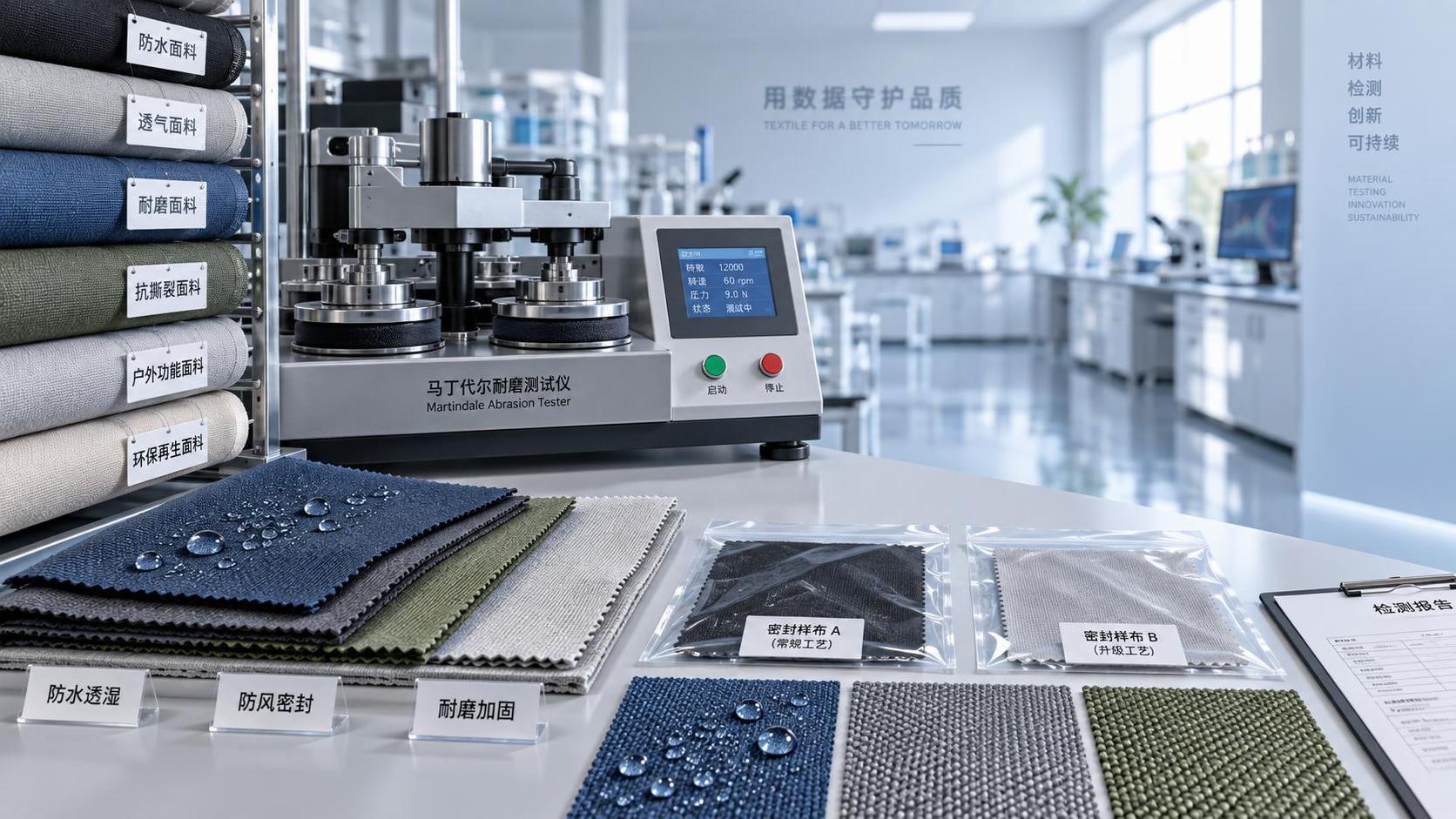
Textile Innovation Trends Shaping Performance Fabrics in 2026

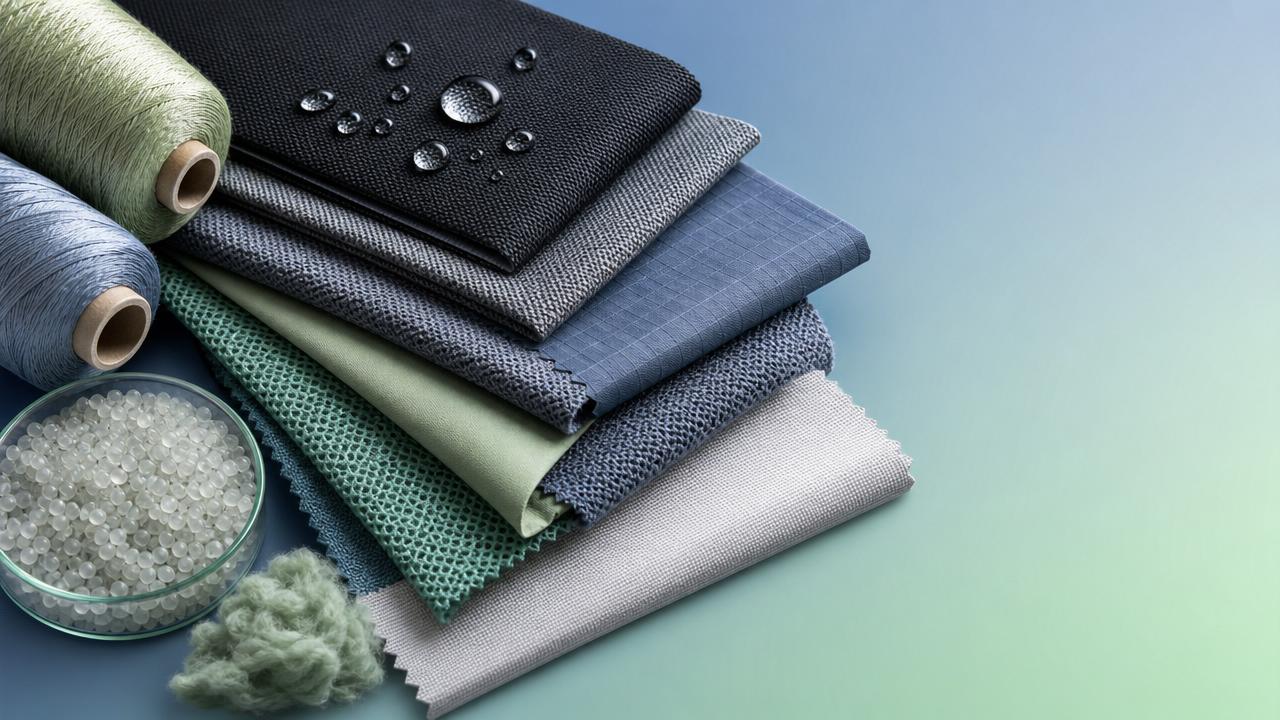
Performance fabrics are entering 2026 under sharper pressure. Requirements for durability, comfort, traceability, and environmental compliance are rising at the same time. In that context, textile innovation is no longer a design-side talking point. It has become a practical filter for material approval, specification writing, and supply chain selection across apparel, interiors, workspace products, gifts, and outdoor equipment.
What makes this shift especially important is that fabric value now sits between aesthetics and engineering. A material may look refined, yet fail under abrasion, moisture cycling, or chemical restriction reviews. That is why the most relevant textile innovation trends are those that connect fiber science, processing discipline, product use, and verifiable standards in one decision framework.
Why performance fabrics are being redefined
For years, performance fabrics were judged by visible function. Water repellency, stretch, or softness often led the conversation. In 2026, the conversation is broader.
Now, evaluation often includes raw material origin, consistency between batches, recyclability pathways, finishing durability, and the speed at which a supplier can adapt a construction without destabilizing quality.
This matters across sectors followed by GLC. A seating textile for office architecture needs abrasion resistance and tactile quality. A gift textile may need visual refinement with low-impact coloration. Outdoor fabrics must balance weather protection, weight, and repairability. The same textile innovation logic connects these use cases, even when the end products differ.
The core meaning of textile innovation in 2026
At a practical level, textile innovation means improving how fibers, yarns, structures, finishes, and process controls work together to deliver measurable performance.
That improvement may come from new bio-based polymers, smarter knit mapping, plasma-assisted finishing, lower-water dyeing, or digital quality tracking. It does not always mean radical invention. In many cases, it means better integration.
The strongest developments tend to share three traits. They solve a real use problem. They remain stable in production. They can be validated through repeatable testing.
From feature claims to system performance
A single feature is rarely enough anymore. A breathable textile that loses repellency after laundering creates risk. A recycled fabric with unstable colorfastness creates another.
In other words, textile innovation is being judged as a system. Fiber choice, yarn engineering, finish chemistry, production repeatability, and end-use testing must align.
The trends shaping material decisions
Several directions are standing out because they affect both product competitiveness and technical evaluation.
Advanced fiber blends with targeted behavior
Blending is becoming more precise. Instead of generic combinations, developers are pairing fibers to deliver specific moisture movement, thermal response, resilience, or hand feel.
Examples include recycled synthetics paired with cellulosic fibers for balanced comfort, or engineered bicomponent yarns that improve loft retention without excessive weight.
Lower-impact finishes with longer service life
Finishes remain essential, but the market is moving away from short-lived effects and high-concern chemistries. Durable performance with cleaner chemistry is now a serious differentiator.
This includes alternative water repellency systems, anti-odor approaches with reduced regulatory risk, and coatings designed for easier recycling or safer disposal.
Digital process control and traceability
Another major textile innovation trend is data visibility. Digital production tracking helps identify variation in yarn lots, dye uptake, finishing temperature, and defect patterns before they become product failures.
For evaluation, traceability is not just a compliance issue. It supports root-cause analysis and reduces the cost of approving new materials.
Construction-led performance
Some of the most useful gains are coming from fabric structure rather than chemistry. Engineered weaves, zoned knits, and layered constructions can improve air permeability, tear strength, recovery, or acoustic behavior.
This matters in categories where finish reduction is preferred. Interiors, workspace textiles, and frequent-contact products often benefit from construction-led solutions with simpler chemical profiles.
Where these trends show up across industries
The same innovation can create different value depending on the application. A useful review starts with the performance context, not the marketing label.
This cross-sector view reflects why GLC treats materials as part of a broader craftsmanship ecosystem. A fabric is not only a substrate. It is a meeting point between design intent, industrial capability, and product life expectations.
What deserves closer scrutiny during evaluation
Not every new fabric deserves approval simply because it carries an innovation claim. The stronger approach is to compare claims against operating conditions and measurable risk.
- Check whether performance comes from inherent fiber behavior or a surface treatment that may fade quickly.
- Review how the material behaves after laundering, rubbing, UV exposure, compression, or repeated folding.
- Look for consistency across lots, especially when recycled or bio-based inputs are involved.
- Verify whether sustainability claims are supported by recognized certifications or transparent process data.
- Assess whether the supplier can scale the fabric without changing handle, color, or structural stability.
In practice, the most overlooked issue is mismatch. A textile innovation may be technically impressive, yet poorly matched to the actual product environment. That is where unnecessary cost and performance disputes usually begin.
Why sustainability and responsiveness now move together
Sustainability is no longer a separate review track. It directly affects performance fabric decisions because environmental pressure, regulation, and supply continuity are now connected.
For example, a lower-impact dye process matters not only for water use. It may also improve compliance readiness and reduce future reformulation risk. A traceable recycled input matters not only for reporting. It can also support stable sourcing and brand credibility.
This is one reason textile innovation is becoming a strategic subject across the soft industry. Better fabrics are expected to perform in use, perform in audits, and perform in changing trade conditions.
A practical framework for 2026 decisions
A useful evaluation model does not start with trend excitement. It starts with intended use, then moves outward.
Start with the use case
Define the real stress profile. Consider contact frequency, climate, care method, expected lifespan, regulatory exposure, and visual expectations.
Translate claims into test points
If a supplier highlights cooling, odor control, or eco-finishing, convert those claims into specific test protocols and durability checkpoints.
Judge the supply chain, not only the sample
A promising swatch means little if dyeing, lamination, or finishing cannot stay consistent across production volumes.
Keep aesthetics in the review
Performance fabrics still need market relevance. Hand feel, drape, texture, and color depth influence acceptance just as much as technical data.
That balance between aesthetic demand and industrial proof is where GLC’s perspective is useful. The strongest textile innovation is rarely just technical novelty. It is craftsmanship translated into scalable, testable, commercially relevant material performance.
Looking ahead
Performance fabrics in 2026 will be shaped by integration more than by isolated breakthroughs. Fiber engineering, cleaner finishing, digital traceability, and construction intelligence are moving into one connected standard.
The next step is not to chase every new claim. It is to build a sharper comparison method: define the application, rank the performance priorities, verify durability, and map supply chain reliability before approval. That is how textile innovation becomes a decision advantage rather than a sourcing uncertainty.