
2026 Sustainable Fashion Costs: What Changes First?

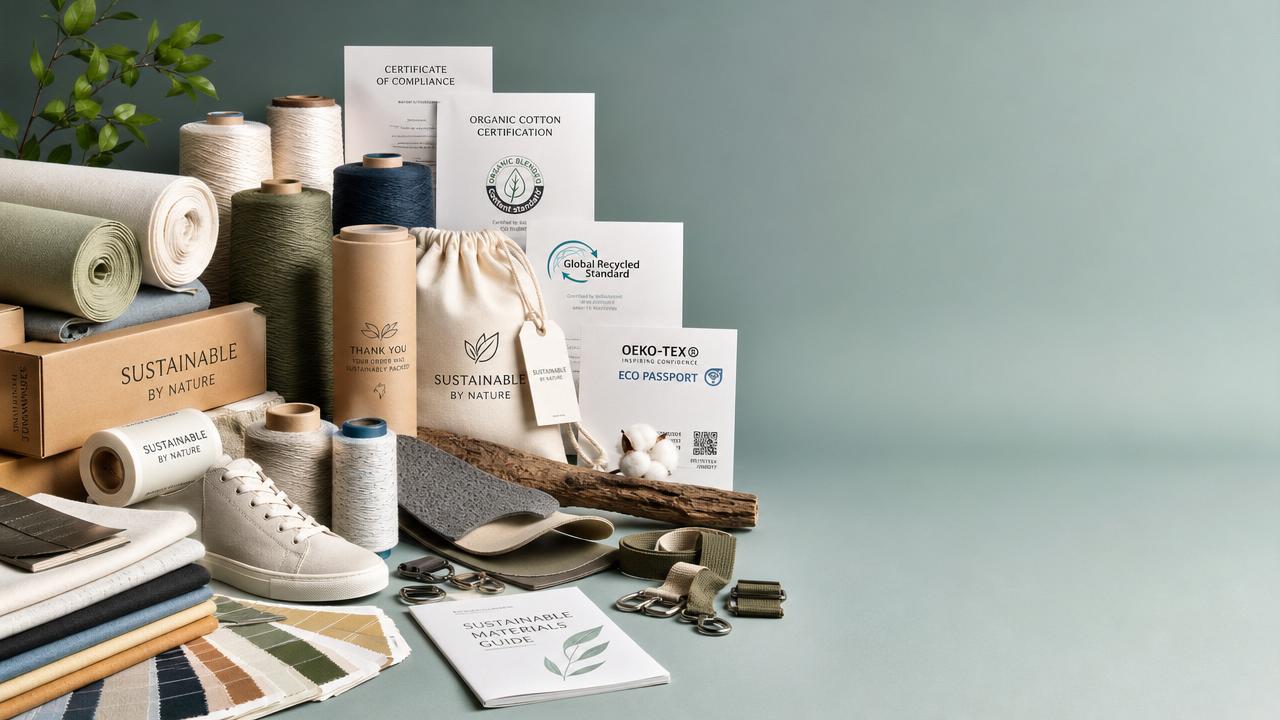
As 2026 approaches, sustainable fashion is no longer evaluated by vision statements alone. Cost pressure is moving first through fibers, wet processing, labor, compliance, and sourcing geography. The earliest shifts rarely appear as one dramatic price jump. They emerge as smaller changes in lead time, minimum order quantity, certification expense, energy surcharges, and defect risk. Reading these signals early helps protect margin while keeping quality and supply resilience intact.
Across textiles, apparel, footwear, home-related soft goods, and lifestyle products, the same pattern is becoming clear. The first cost changes in sustainable fashion are operational before they become fully visible on an invoice. That makes a checklist approach more useful than a trend-only view.
Why a checklist matters before 2026 cost shifts become obvious
Many sustainability discussions still focus on end claims such as recycled content or lower carbon impact. In practice, the first commercial changes happen upstream. Fiber substitution may alter yarn performance. Cleaner dyeing may change water, chemistry, and energy intensity. New traceability rules may increase documentation work long before the material cost changes.
A structured review is essential because sustainable fashion costs do not move evenly. Natural fibers, synthetics, trims, packaging, and compliance all respond to different drivers. Using a checklist reduces blind spots and supports better negotiations, more accurate costing, and stronger sourcing decisions.
Core checklist: what changes first in sustainable fashion costs
- Track fiber volatility first, because recycled polyester, organic cotton, regenerative inputs, and bio-based blends often move earlier than finished garment prices.
- Audit dyeing and finishing routes, since water treatment, low-impact chemistry, and energy-efficient processing can raise conversion cost before fabric quotes fully adjust.
- Measure certification burden line by line, including testing, chain-of-custody checks, transaction certificates, and renewal fees across every supplier tier.
- Review labor and compliance together, because wage upgrades, social audits, and safety investments increasingly reshape total factory cost in sustainable fashion.
- Compare sourcing regions by infrastructure quality, not labor rate alone, since energy reliability and port efficiency strongly affect hidden cost.
- Check minimums and yield loss, because newer sustainable materials often carry stricter MOQs, narrower shade bands, and more cautious cutting allowances.
- Price traceability systems separately, as digital product records, data integration, and supplier mapping create administrative costs before volume savings appear.
- Stress-test lead times, because lower-impact material programs may depend on limited spinning, weaving, or finishing capacity during seasonal demand peaks.
- Recalculate packaging and trim impacts, since recycled polybags, FSC paper, metal-free finishes, and low-impact labels change unit economics incrementally.
- Model defect and return exposure, because unstable material substitutions can erase sustainability gains through claims, markdowns, and replacement shipments.
1) Fiber costs usually move before finished product costs
In sustainable fashion, fibers are the earliest warning point. Recycled polyester depends on feedstock quality and collection economics. Organic and regenerative cotton depend on harvest, certification, and regional water conditions. Man-made cellulosics can be affected by pulp supply, energy pricing, and environmental controls.
The critical issue is not only price per kilogram. It is also performance consistency. If a lower-impact fiber causes more breakage, slower knitting, or shade variation, the actual cost rises downstream.
2) Wet processing is becoming a major cost pivot
Dyeing, washing, coating, and finishing are often where environmental improvement becomes financially visible first. Cleaner chemistry, wastewater treatment, heat recovery, and lower-liquor-ratio systems require capital and operating discipline. Those investments tend to appear in conversion charges before brands notice a big change in retail pricing.
For sustainable fashion, this means dyehouse selection matters as much as fabric selection. Two mills can offer similar recycled content, yet carry very different long-term risk because of process control and utility efficiency.
3) Compliance and traceability are shifting from optional to embedded cost
Rules on due diligence, chemical disclosure, origin verification, and product transparency are broadening. Even where laws are not fully harmonized, market access increasingly depends on reliable records. That makes traceability a cost center today and a cost saver tomorrow.
The first expenses include data collection, document validation, supplier onboarding, and audit preparation. Later, these systems can reduce claim disputes and improve forecasting. In the near term, however, sustainable fashion budgets should assume administration costs will rise before operational efficiencies catch up.
How these cost shifts appear in different sourcing scenarios
Textile and apparel programs
In textile and apparel, the first changes usually appear in yarn sourcing, dyehouse capacity, and quality control. A fabric may look competitively priced, yet hidden costs can emerge through lab-dip approvals, fabric shrinkage, or lower marker efficiency.
For sustainable fashion collections with frequent style turnover, short runs intensify these issues. Smaller volumes reduce bargaining power on certified inputs and increase the burden of testing and documentation per unit.
Footwear, leather, and accessory lines
Bio-based leather alternatives, recycled uppers, water-based adhesives, and metal-free tanning can alter both material and process cost. In footwear, one sustainability change often affects bonding strength, tooling behavior, and wear performance simultaneously.
Here, cost movement often begins with testing and failure prevention. The invoice for material may seem manageable, but validation rounds and production adjustments can expand the true cost of sustainable fashion innovation.
Home, office, gifts, and lifestyle soft goods
For home textiles, decorative goods, and gifting items, the first shift often comes from trims, packaging, and compliance rather than base fabric. Recycled filling, low-impact printing, and paper-based presentation materials can each add modest cost, but together they materially change landed price.
These categories also rely heavily on visual consistency. If sustainable substitutions create color drift or surface variation, rejection risk rises quickly. In that case, quality stability becomes a larger cost factor than raw material alone.
Commonly overlooked risks in sustainable fashion costing
- Ignoring yield differences between conventional and sustainable materials, especially when width, stability, or defect mapping changes cutting efficiency.
- Treating certificates as one-time costs, even though renewals, transaction documents, and customer-specific testing repeat across seasons.
- Underestimating energy exposure in finishing-heavy products, where steam, drying, and curing can outweigh nominal fiber savings.
- Assuming nearshoring always lowers total cost, despite higher labor, fragmented material bases, or weaker local finishing ecosystems.
- Overlooking inventory risk when limited sustainable inputs require advance commitments that do not match uncertain demand patterns.
Each of these risks can distort decision-making. Sustainable fashion works best when total cost is examined across material, process, logistics, compliance, and sell-through performance together.
Practical execution steps for stronger 2026 sourcing decisions
- Build a cost map by tier, separating fiber, conversion, trims, testing, compliance, logistics, and inventory carrying cost.
- Request paired quotations that compare conventional and sustainable options using identical specifications and realistic order volumes.
- Run small validation orders first to measure yield, shade consistency, defect rates, and rework risk before scaling.
- Prioritize suppliers with process transparency, because reliable technical data reduces hidden cost more than nominally cheaper offers.
- Review landed cost quarterly, since energy, freight, and certification inputs change faster than annual costing calendars allow.
It also helps to align sustainability targets with product architecture. Not every item should absorb the same level of innovation at the same speed. Stable core programs may justify deeper material transitions, while fashion-sensitive lines may need lower-risk upgrades first.
Conclusion: watch the first signals, not just the final price
The biggest lesson for 2026 is simple: in sustainable fashion, costs usually change first where systems become more controlled, more transparent, and more resource-efficient. Fibers, dyeing, compliance, labor standards, and traceability all move on different timelines. The most effective response is to monitor early operational signals instead of waiting for a finished-goods price shock.
Start with a tiered checklist, test assumptions using small orders, and compare total cost rather than material cost alone. That approach supports stronger margins, more resilient sourcing, and better-quality outcomes as sustainable fashion moves from aspiration to disciplined execution.