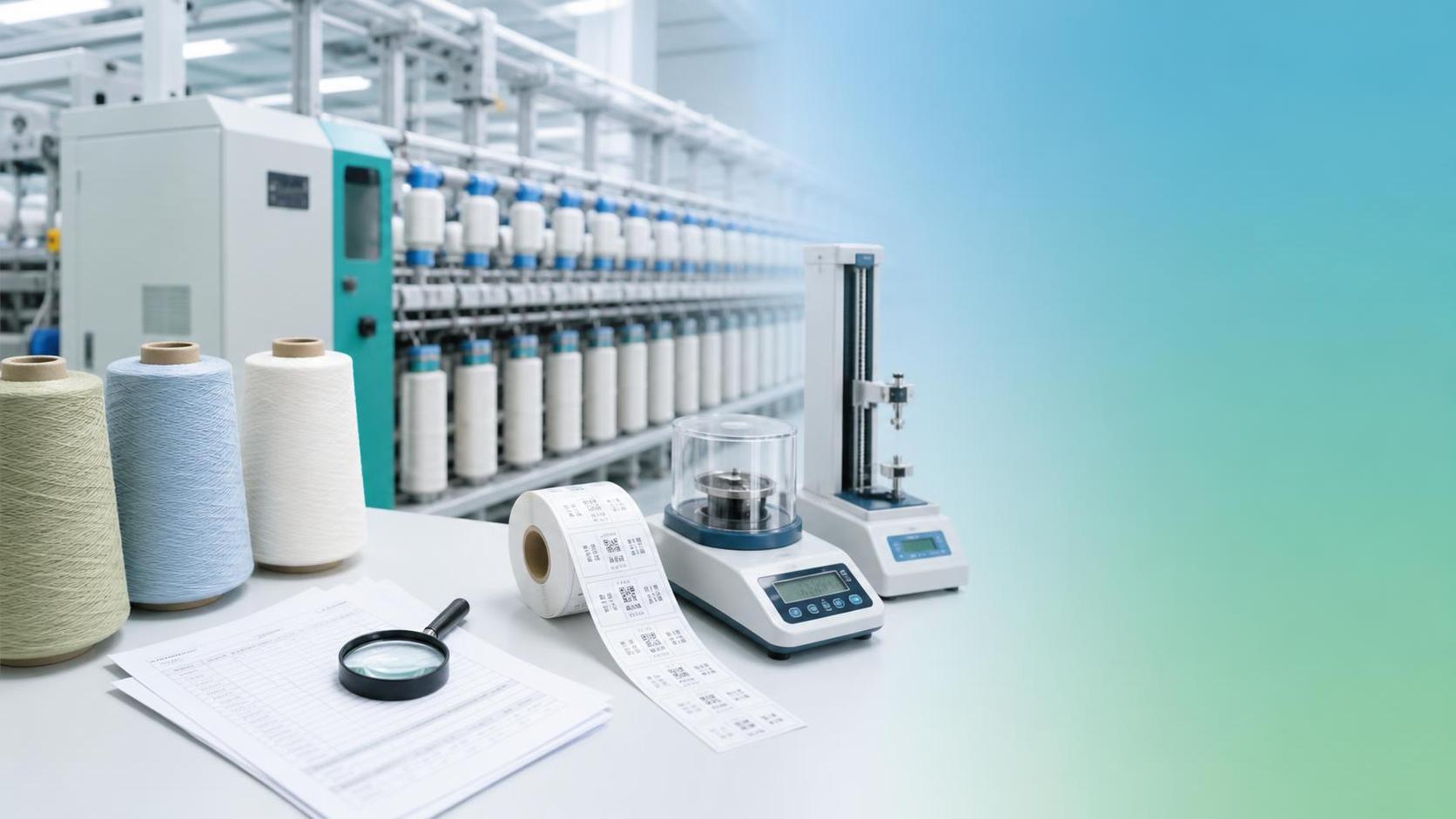
Green Supply Chain Risks in Textile Sourcing


Green Supply Chain Risks in Textile Sourcing
As textile sourcing becomes more global, pressure rises around cost, speed, compliance, and sustainability.
A green supply chain is no longer only a brand value statement. It is now a practical risk management priority.
It affects supplier selection, material transparency, production reliability, carbon tracking, and long-term competitiveness.
From sustainable fiber verification to fair trade expectations, textile sourcing now depends on quality, ethics, and resilience.
What does green supply chain risk mean in textile sourcing?
Green supply chain risk refers to environmental, social, operational, and verification gaps across textile sourcing networks.
It appears when sustainability claims cannot be proven, production processes waste resources, or suppliers fail compliance requirements.
In textiles, the risk starts before fabric production. It may begin at fiber farms, chemical inputs, spinning mills, or dyeing units.
A green supply chain requires traceable materials, controlled processing, responsible labor practices, and transparent documentation.
The challenge is that textile sourcing often involves many tiers. Tier-one visibility rarely shows the full environmental picture.
For example, a finished garment may look compliant, while upstream dyeing wastewater records remain incomplete.
This gap creates reputational exposure, shipment delays, certification disputes, and commercial loss.
Therefore, green supply chain management must connect design, sourcing, production, logistics, and evidence management.
Why are textile sourcing risks increasing now?
Textile sourcing risks are rising because sustainability expectations have moved from marketing language into measurable business requirements.
Retailers, platforms, regulators, and consumers increasingly ask for proof behind every green supply chain claim.
Several forces are changing the sourcing landscape at the same time.
- Stricter rules on chemical management and restricted substances.
- Higher demand for recycled, organic, and bio-based textile materials.
- Growing interest in carbon footprint and lifecycle assessment data.
- More scrutiny over fair trade, labor conditions, and social compliance.
- Climate disruption affecting cotton, water availability, and transport reliability.
The green supply chain is also becoming more technical. Claims must be supported by standards, records, and repeatable controls.
A fabric labeled recycled may still carry risk if transaction certificates, batch records, or blending ratios are unclear.
The same applies to organic cotton, low-impact dyes, waterless finishing, and biodegradable packaging.
Without disciplined verification, a green supply chain can become a fragile promise rather than a dependable sourcing system.
Which green supply chain risks affect material decisions most?
Material selection is one of the most visible parts of textile sustainability, but it carries hidden complexity.
A greener fiber is not automatically lower risk. Its origin, processing method, certification status, and performance must align.
Fiber origin and traceability
Cotton, viscose, polyester, wool, linen, and innovative fibers each have different green supply chain risk profiles.
Cotton sourcing may involve water stress, pesticide use, or forced labor concerns in certain regions.
Viscose can raise deforestation and chemical recovery questions if pulp origin and production controls are weak.
Recycled polyester reduces dependence on virgin petroleum, yet it needs credible recycled content verification.
Performance and durability
Sustainability should not weaken product performance. Failed colorfastness, pilling, shrinkage, or seam strength can increase waste.
A green supply chain works best when environmental choices support long product life and stable quality.
Certification mismatch
Certifications help reduce uncertainty, but they are not interchangeable.
A chemical safety certificate does not prove organic origin. A recycled content certificate does not prove low carbon output.
The safer approach is matching each claim with the correct standard, audit scope, and transaction evidence.
How can supplier transparency be judged before orders start?
Supplier transparency should be assessed before price confirmation, not after production problems appear.
A green supply chain depends on suppliers that can explain both production capability and sustainability controls.
Useful signals include openness, document consistency, process knowledge, and willingness to disclose upstream partners.
- Can the supplier map yarn, fabric, dyeing, finishing, and packaging sources?
- Are certificates current, relevant, and issued by recognized bodies?
- Do batch records connect materials with finished goods?
- Are chemical inventories and wastewater practices documented?
- Can production capacity support lead time without uncontrolled subcontracting?
Uncontrolled subcontracting is a frequent green supply chain weakness. It may move production into facilities outside approved systems.
Another warning sign is overconfident language without supporting records. Sustainability must be verified, not simply declared.
Digital traceability platforms, QR-based batch tracking, and supplier scorecards can improve visibility.
However, technology works only when data is accurate, complete, and connected to real production events.
What operational risks can disrupt a green supply chain?
Operational risk appears when sustainability goals conflict with lead time, cost structure, or technical capacity.
Textile sourcing often requires fast decisions. Yet sustainable materials may have longer preparation cycles and smaller supply pools.
If planning is weak, the green supply chain may face delays, substitutions, or non-compliant emergency sourcing.
Lead time pressure
Certified materials may require booking, segregation, and transaction documentation. These steps can extend development and production timelines.
Short timelines increase the chance of using unverified alternatives or skipping essential tests.
Cost volatility
Organic fibers, recycled yarns, and lower-impact dyeing may carry premiums, especially during tight supply.
A green supply chain needs total cost evaluation, including quality failures, returns, audit costs, and reputational damage.
Process capability
Some mills can produce beautiful fabrics but lack advanced wastewater treatment or chemical control systems.
Others may meet environmental standards but struggle with consistent hand feel, color, or finishing stability.
The strongest sourcing systems evaluate craftsmanship and environmental control together.
How should carbon and compliance data be managed?
Carbon data is becoming a core part of green supply chain risk management.
Textile emissions can come from fiber cultivation, polymer production, spinning, weaving, dyeing, finishing, logistics, and product care.
Dyeing and finishing are often energy-intensive, especially when heat, steam, water, and chemical processes are poorly optimized.
Reliable data should be specific enough to support decisions, not vague enough to hide uncertainty.
- Collect facility-level energy and water data where possible.
- Separate estimated data from verified data.
- Track material composition and processing routes.
- Use recognized lifecycle assessment methods when needed.
- Keep compliance files linked to product batches.
Compliance data should also cover restricted substances, wastewater results, social audits, and packaging requirements.
A green supply chain becomes stronger when documentation is treated as operating infrastructure, not last-minute paperwork.
Incomplete files can delay customs clearance, platform approval, retail onboarding, or sustainability reporting.
Green supply chain risk checklist for textile sourcing
This checklist supports faster screening, but it should not replace product testing or supplier due diligence.
A green supply chain requires repeated confirmation because suppliers, inputs, and production conditions can change.
Common FAQ: how can sourcing decisions become safer?
Is the lowest-carbon fabric always the best choice?
Not always. Carbon is important, but durability, care impact, recyclability, comfort, and compliance also matter.
A balanced green supply chain compares environmental data with real product performance.
Can certification alone eliminate sourcing risk?
No. Certification reduces risk, but scope and validity must be checked carefully.
Documents should connect to the exact material, facility, order, and production period.
When should sustainability checks begin?
They should begin during design and material planning. Late checks often create delays and expensive substitutions.
Early planning helps the green supply chain stay realistic, verifiable, and commercially workable.
What is the biggest hidden mistake?
The biggest mistake is focusing only on tier-one suppliers while ignoring upstream processes.
Spinning, dyeing, finishing, and raw material sourcing often carry the highest green supply chain exposure.
Conclusion: building a resilient green supply chain
Green supply chain risk in textile sourcing is not a single issue. It is a connected system of choices and evidence.
Materials, suppliers, certifications, carbon data, labor standards, and process capability must be evaluated together.
The most resilient sourcing approach combines aesthetic value, technical standards, and transparent craftsmanship.
A practical next step is to map critical materials, identify high-risk processes, and create a supplier evidence checklist.
With structured verification, a green supply chain becomes more than compliance. It becomes a foundation for quality-driven global growth.