Sustainable Textiles: How to Compare Fiber Impact and Durability

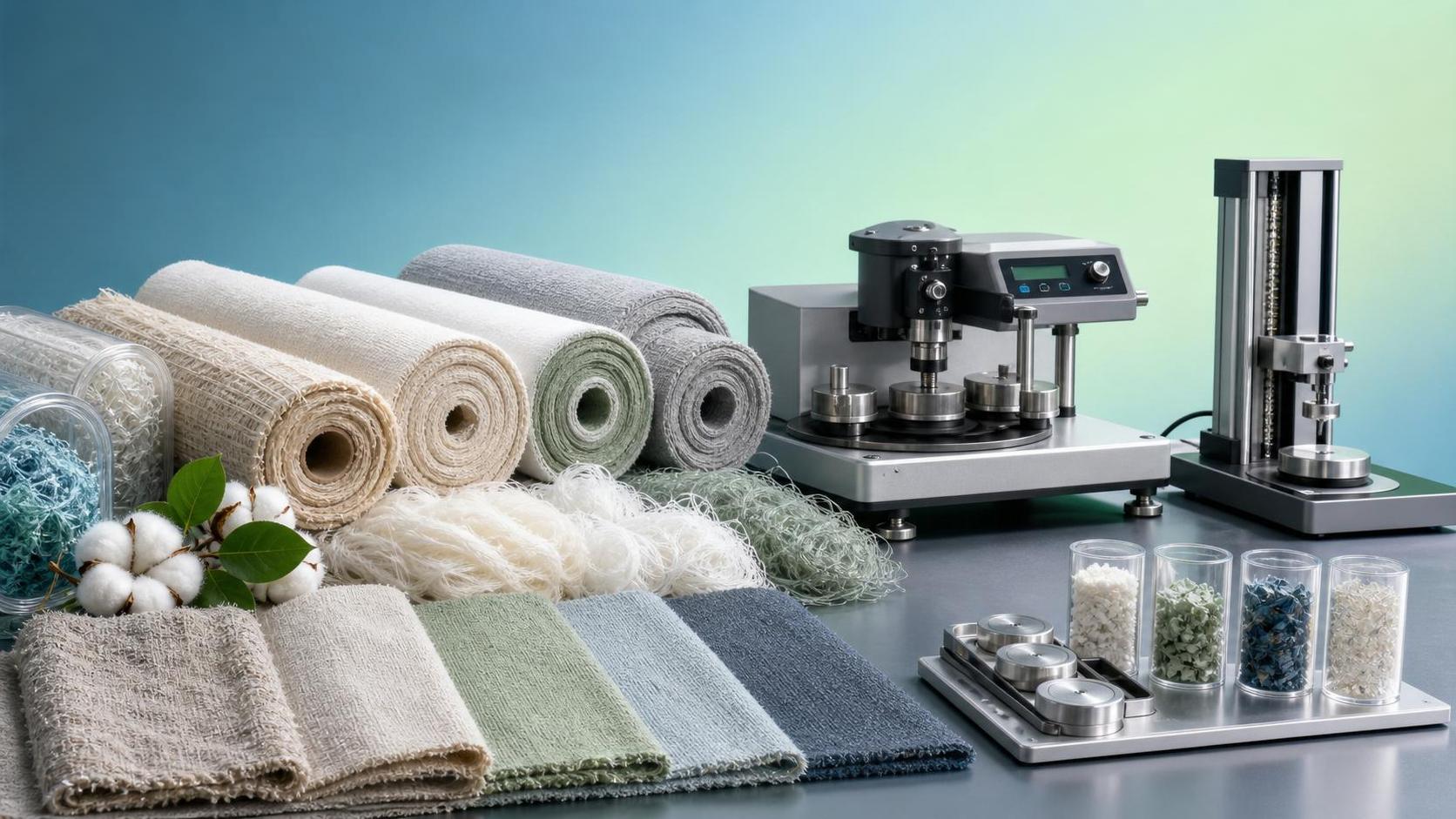
Comparing sustainable textiles is no longer a simple matter of checking recycled content or reading a certification label. A fiber may look strong on an environmental scorecard, yet perform poorly in abrasion, laundering, UV exposure, or repeated use. For teams working across textiles, apparel, furnishings, gifts, and outdoor products, the real question is how to balance fiber impact with durability across the full supply chain.
That balance matters because material failure creates waste just as surely as inefficient production does. A fabric that wears out early, pills quickly, or loses structure in use can erase part of its environmental advantage. In that sense, sustainable textiles are best evaluated through both ecological footprint and service life, with craftsmanship, finishing, and end-use conditions considered together.
Why fiber comparison has become more complex
The market has moved beyond single-factor claims. Buyers and specifiers now compare carbon intensity, water demand, land use, biodegradability, chemical processing, and circularity potential at the same time.
At the same time, product categories have diversified. A fiber suited to fashion basics may not work for office seating, gift packaging, technical outdoor layers, or high-traffic home textiles.
This is where cross-sector analysis becomes useful. A textile choice should not be isolated from craftsmanship, finishing methods, production scale, and end-market expectations. That broader view reflects how design logic and manufacturing capability actually meet in commercial practice.
What “impact” means in sustainable textiles
Impact is often discussed as if it were one number. In reality, it combines several variables, and not all of them matter equally in every application.
Key dimensions to review
- Raw material origin, including fossil-based, plant-based, regenerated, or recycled feedstock.
- Agricultural or extraction burden, such as irrigation, pesticide use, land occupation, or biodiversity pressure.
- Processing intensity, including spinning, retting, pulping, dyeing, coating, and drying requirements.
- Chemical profile, especially solvent recovery, finishing chemistry, and restricted substance compliance.
- End-of-life potential, including recyclability, biodegradation context, and compatibility with existing waste systems.
A low-impact fiber in agriculture can still become resource-heavy after bleaching, lamination, or resin finishing. Likewise, recycled fibers may reduce virgin input while introducing quality variability that affects long-term performance.
Durability is not a secondary issue
In sustainable textiles, durability is often treated as a performance topic rather than an environmental one. That separation is misleading. Longer service life can reduce replacement cycles, lower returns, and improve real-world material efficiency.
Durability should be read in context. Tensile strength alone does not predict actual lifespan. A fabric may test well in one metric yet fail in seam slippage, colorfastness, crease recovery, or surface stability.
Practical durability indicators
When sustainable textiles are evaluated without these indicators, the result can be a material that is environmentally attractive on paper but costly in use.
How common fiber groups compare
No fiber class is universally superior. Each presents trade-offs that depend on construction, finishing, and application intensity.
Natural cellulosic fibers
Cotton, linen, hemp, and similar fibers are often preferred for comfort and familiar touch. Their strengths include renewable origin and broad consumer acceptance.
The challenge lies in variability. Conventional cotton may carry heavy water and agrochemical burdens. Linen and hemp can show stronger environmental positioning, yet softness, uniformity, and processing performance still depend on spinning quality and finishing control.
Regenerated cellulosics
Viscose, modal, and lyocell can offer drape, softness, and efficient blending potential. In sustainable textiles, the difference often comes down to solvent systems, forest sourcing, and traceability.
Lyocell usually performs well in closed-loop narratives, but finishing and blend structure still shape durability. Some regenerated fibers fibrillate easily or lose strength under harsh wet processing.
Recycled synthetics
Recycled polyester and recycled nylon remain important because they extend existing resources and support durable, high-performance constructions.
Still, they are not impact-free. Microfiber shedding, thermal processing energy, and end-of-life recycling limitations should be part of the decision. Their strength is often best realized in products that demand longevity, dimensional stability, and weather resistance.
Animal fibers and specialty blends
Wool and other protein fibers can deliver durability, insulation, and premium tactile value. Their environmental profile varies with land management, traceability, and treatment chemistry.
Blends deserve special attention. They often improve performance but can complicate recycling and material separation. A better-performing blended textile is not automatically the better circular option.
Why application context changes the answer
The same fabric specification can look responsible in one setting and unsuitable in another. End use determines which trade-offs are acceptable.
This is why the most useful comparisons of sustainable textiles are scenario-based. They connect material science with product reality, not just marketing language.
A more reliable evaluation method
A disciplined review process usually starts with intended use, then narrows the material field. Environmental claims should be checked against physical testing, processing compatibility, and quality consistency.
Useful checkpoints
- Define the product life expectation before comparing fiber stories.
- Separate raw fiber impact from fabric-level impact created by dyeing, coating, backing, or lamination.
- Request test data that matches the actual use case, not only generic laboratory highlights.
- Check whether performance depends on chemical finishes that may reduce recyclability or compliance flexibility.
- Review traceability depth, especially where forest inputs, recycled feedstocks, or agricultural claims are involved.
- Compare failure risk, because replacement and returns often carry hidden environmental costs.
From an industry intelligence perspective, this approach is more valuable than simple ranking lists. It links aesthetics, craftsmanship, technical standards, and sourcing decisions into one practical frame.
What deserves closer attention next
The next stage in sustainable textiles will likely focus less on isolated fiber claims and more on verified systems. That includes transparent chain-of-custody, better end-use testing, lower-impact finishing, and product designs that support repair, reuse, or material recovery.
For any evaluation process, a good next move is to build a comparison matrix tailored to the actual category. Include fiber origin, process intensity, durability benchmarks, compliance needs, and likely end-of-life pathways.
That kind of framework makes sustainable textiles easier to judge with consistency. It also creates clearer conversations between design teams, mills, converters, and supply chain partners who need both performance and credibility from the same material choice.
In practice, the best decision is rarely the fiber with the strongest single claim. It is the one that holds its value, survives its intended use, and fits a more responsible production logic from source to finished product.