Eco Textiles Explained: How to Compare Materials and Certifications

Eco textiles have moved from a niche sustainability topic to a practical benchmark for quality, sourcing confidence, and brand credibility. Across apparel, interiors, gifts, and outdoor products, material choices now signal not only design intent, but also how responsibly an item was developed, processed, and delivered. That makes comparison more important than simple label recognition.
The challenge is that eco textiles are rarely defined by one factor alone. A fabric may use recycled input, yet rely on resource-heavy dyeing. Another may come from natural fibers, but offer weak traceability. For anyone studying product value or supply chain logic, the real task is to compare materials and certifications as part of one connected system.
This is where a broader industry view matters. Platforms such as GLC, which connect global aesthetics with craftsmanship and manufacturing intelligence, highlight an essential point: sustainable claims only become meaningful when design, technical standards, and production realities are read together.
What eco textiles really include
In everyday use, eco textiles usually refer to fabrics and soft materials developed with lower environmental impact, safer chemistry, improved traceability, or more responsible labor practices. The term covers fibers, yarns, finishing methods, and certification systems.
That means eco textiles are not limited to organic cotton or recycled polyester. They can include regenerated cellulose, low-impact wool systems, bio-based synthetics, plant-derived alternatives, and textiles engineered for longer life or easier recycling.
A useful comparison starts with three layers. First is raw material origin. Second is processing, including dyeing, finishing, and chemical management. Third is verification, which is where certifications help separate evidence from marketing language.
Why comparison matters more now
The market has become more design-sensitive and more disclosure-driven at the same time. A textile used in fashion, office seating, home furnishings, gift packaging, or outdoor gear is now judged by touch, durability, emissions profile, and sourcing story together.
This shift affects multiple sectors. Textile and apparel teams weigh fiber innovation against flexible supply chains. Interior and workspace projects consider indoor air quality and performance. Outdoor categories look closely at technical function, weather resistance, and repairability.
More importantly, buyers and researchers are no longer satisfied with broad claims such as “green,” “natural,” or “responsible.” They want to know what standard was used, what stage of production it covers, and whether the claim fits the intended application.
Common reasons comparisons fail
- A fiber is judged by image rather than measured impact.
- A certification is treated as universal, even when it covers only one production stage.
- Performance and sustainability are separated, although both affect real product value.
- Traceability is assumed instead of verified through documentation.
How to compare materials without oversimplifying
Material comparison works best when each fiber is judged in context. There is no single “best” option across all product categories. The right question is whether a material fits the technical, environmental, and commercial needs of a specific use case.
Natural fibers often perform well in comfort, familiarity, and renewable sourcing narratives. Yet they can vary widely in water use, land impact, and chemical treatment. Cotton is the clearest example. Organic cotton improves input standards, but it still needs processing review.
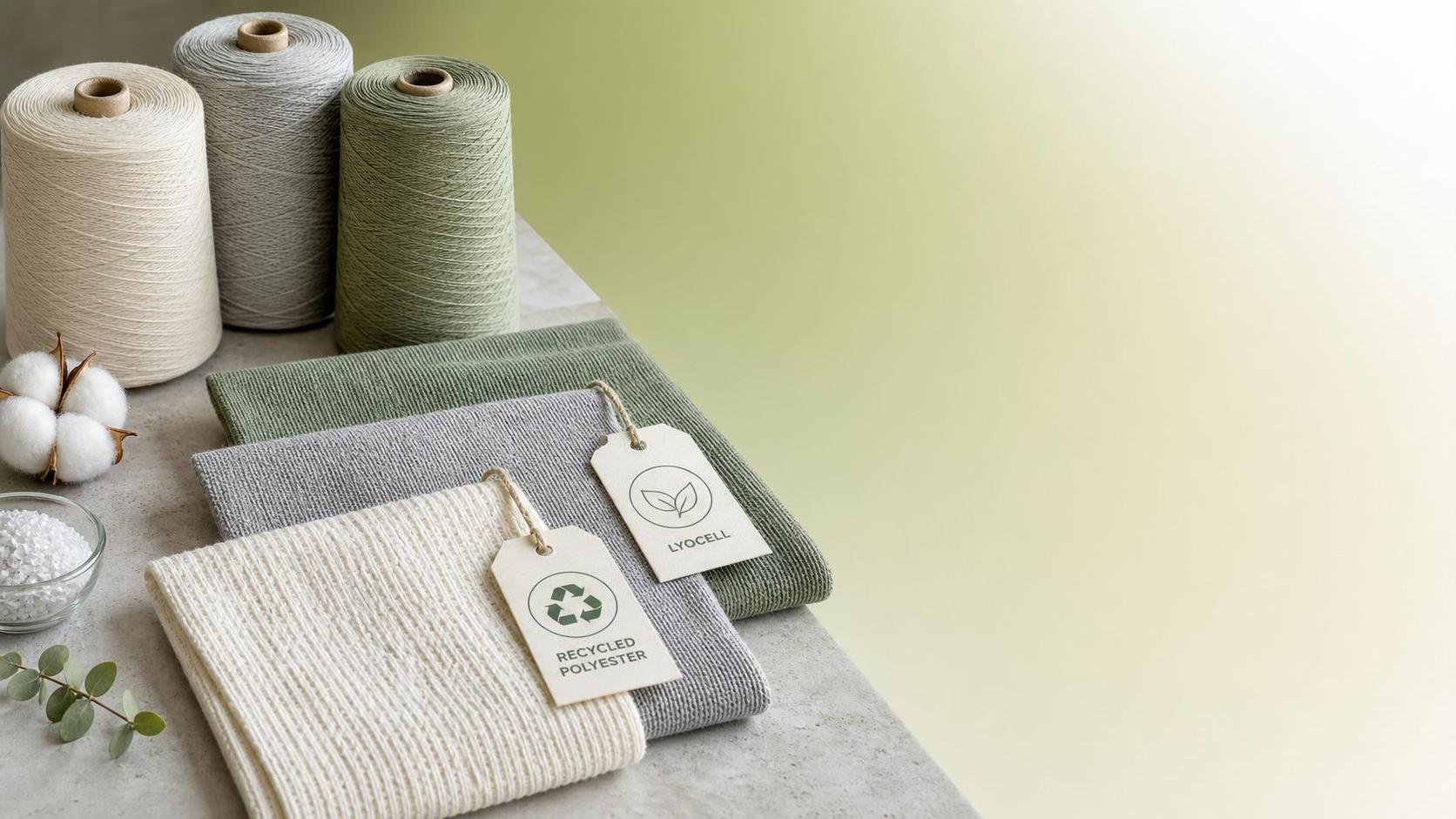
Recycled synthetics help reduce virgin fossil input and support circularity goals. Still, they may raise questions about microfiber shedding, blended construction, and end-of-life recovery. In technical apparel or outdoor equipment, these trade-offs are often accepted for performance reasons.
Regenerated fibers such as TENCEL™ Lyocell and viscose-type materials require even closer reading. Feedstock origin, solvent recovery, and forest certification can create major differences within the same general family.
What certifications actually help prove
Certifications are useful because they narrow uncertainty. But each one answers a different question. Some verify fiber origin. Some focus on chemical safety. Others evaluate recycled content, forest stewardship, or broader social and environmental practices.
For eco textiles, the most reliable reading comes from pairing certifications instead of expecting one label to do everything. A product may need one standard for raw material content and another for harmful substance control.
Key certification categories
- Organic fiber standards such as GOTS or OCS verify organic content, though coverage differs.
- Recycled content standards such as GRS or RCS confirm recycled input and, in some cases, chain requirements.
- Chemical safety standards such as OEKO-TEX® STANDARD 100 focus on harmful substance limits in the finished product.
- Forest and cellulose standards such as FSC support responsible sourcing for wood-based fibers.
One practical mistake is assuming that a finished label guarantees upstream transparency. Another is treating a raw material certificate as proof of low-toxicity finishing. The scope always matters. Certification names are only useful when their boundaries are understood.
Reading eco textiles through the supply chain
The strongest comparisons connect aesthetics, craftsmanship, and production evidence. This is especially relevant in sectors where fabric appearance and tactile quality influence purchasing decisions as much as sustainability data.
A furnishing textile, for example, cannot be judged only by recycled content. Abrasion resistance, flame performance, color consistency, and indoor chemical safety all shape whether the material is genuinely suitable. The same logic applies to gift textiles, footwear linings, and outdoor laminates.
This broader lens reflects why GLC’s cross-disciplinary approach is useful. Textile specialists validate fabric parameters, design experts connect material choices to real environments, and field-based product insight exposes whether sustainable claims survive actual use conditions.
Questions worth asking during evaluation
- What exact fiber composition is used, and is it blended?
- Which production stage is covered by the certification?
- Does the finishing process support skin contact or interior use?
- How durable is the textile under normal wear, washing, or weather exposure?
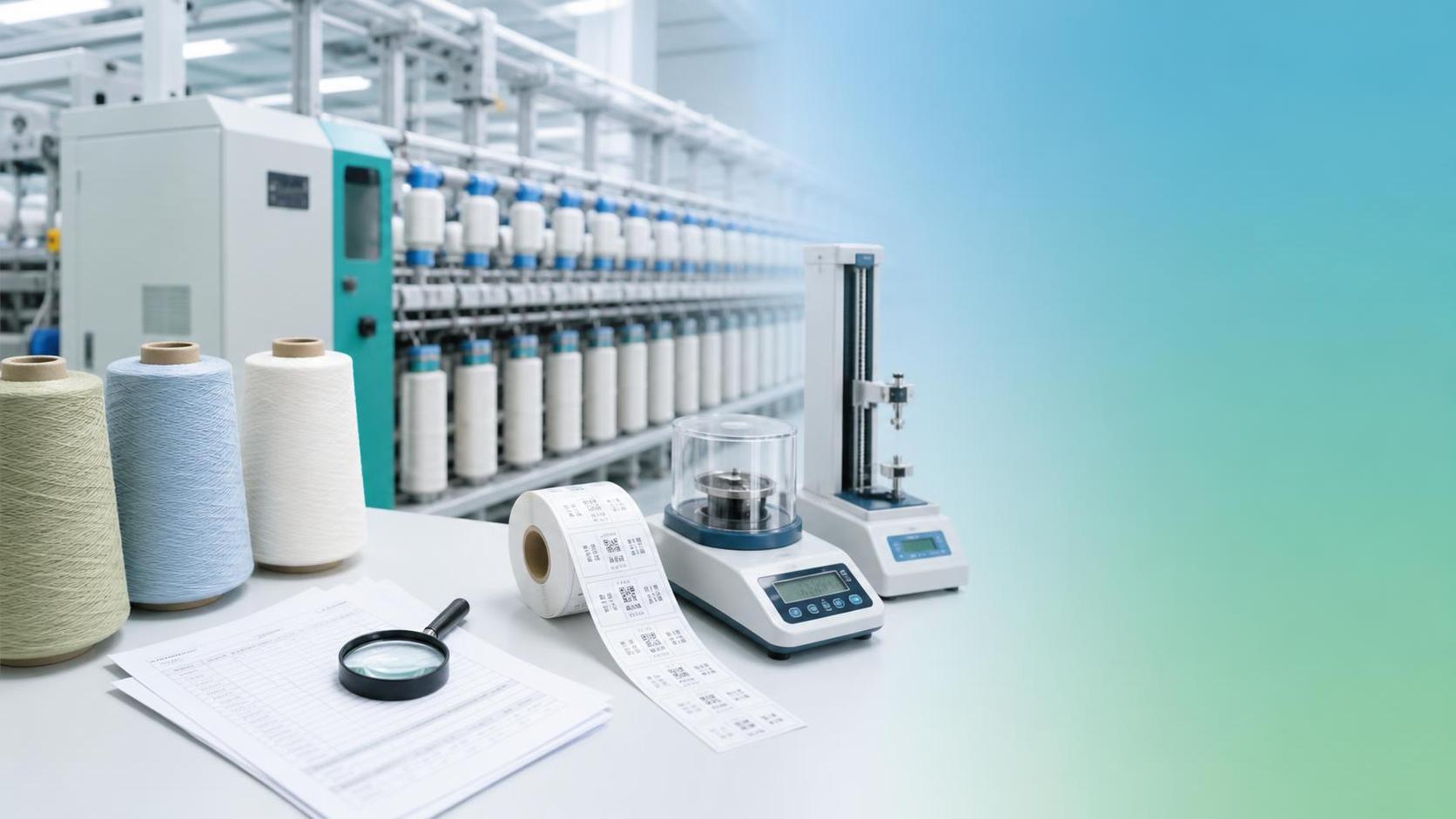
- Can the claim be supported by transaction certificates or testing reports?
Typical application differences across sectors
Eco textiles are evaluated differently depending on where they appear. In apparel, skin comfort, wash stability, and trend responsiveness matter. In office and hospitality settings, maintenance cycles and emission standards may be more important.
Gift and lifestyle products often place extra value on story, texture, and cultural craftsmanship. Here, certified materials can strengthen credibility, but the finish and perceived quality still decide whether the product feels premium. In outdoor categories, weather function often limits material options, so comparison becomes more nuanced.
That is why eco textiles should be matched to product purpose, not judged through a single sustainability lens. A lower-impact fabric that fails too quickly may create more waste than a durable alternative with a more complex footprint.
A practical framework for better decisions
A clear evaluation process does not need to be complicated. It needs to be consistent. Start with the application. Then compare material structure, performance demands, certification scope, and supporting documents side by side.
It also helps to separate “better story” from “better fit.” Some eco textiles are excellent for brand communication, while others deliver stronger long-term value through durability, low emissions, or easier compliance.
- Map the end use before selecting sustainability criteria.
- Compare fiber claims with process-level evidence.
- Check whether the certification matches the claim being made.
- Review performance testing alongside environmental documentation.
- Favor traceable systems over vague eco messaging.
From there, the next step is not to chase the most popular label. It is to build a comparison method that can travel across categories, from garments and leather-adjacent components to interiors, gifts, and outdoor products. Eco textiles make the most sense when material science, craftsmanship, and certification evidence are read together. That approach leads to smarter sourcing, cleaner storytelling, and more dependable product decisions.