Sustainable Fiber Materials: Cost, Performance, and Supply Risks

Sustainable Fiber Materials: Cost, Performance, and Supply Risks
For procurement teams, sustainable fiber materials are no longer just a branding choice. They shape cost control, product performance, and supply continuity in very direct ways. As demand grows, buyers need to compare claims with real sourcing risk, technical standards, and total value.
That matters because a low-carbon story does not automatically mean a better buying decision. In practice, the right sustainable fiber materials should fit your price target, production method, and delivery schedule.
Why Sustainable Fiber Materials Are Moving Up the Buying Agenda
The strongest signal is simple: brands want lower-impact inputs, but they still expect stable quality and competitive pricing. That puts sustainable fiber materials at the center of sourcing talks, not the edge.
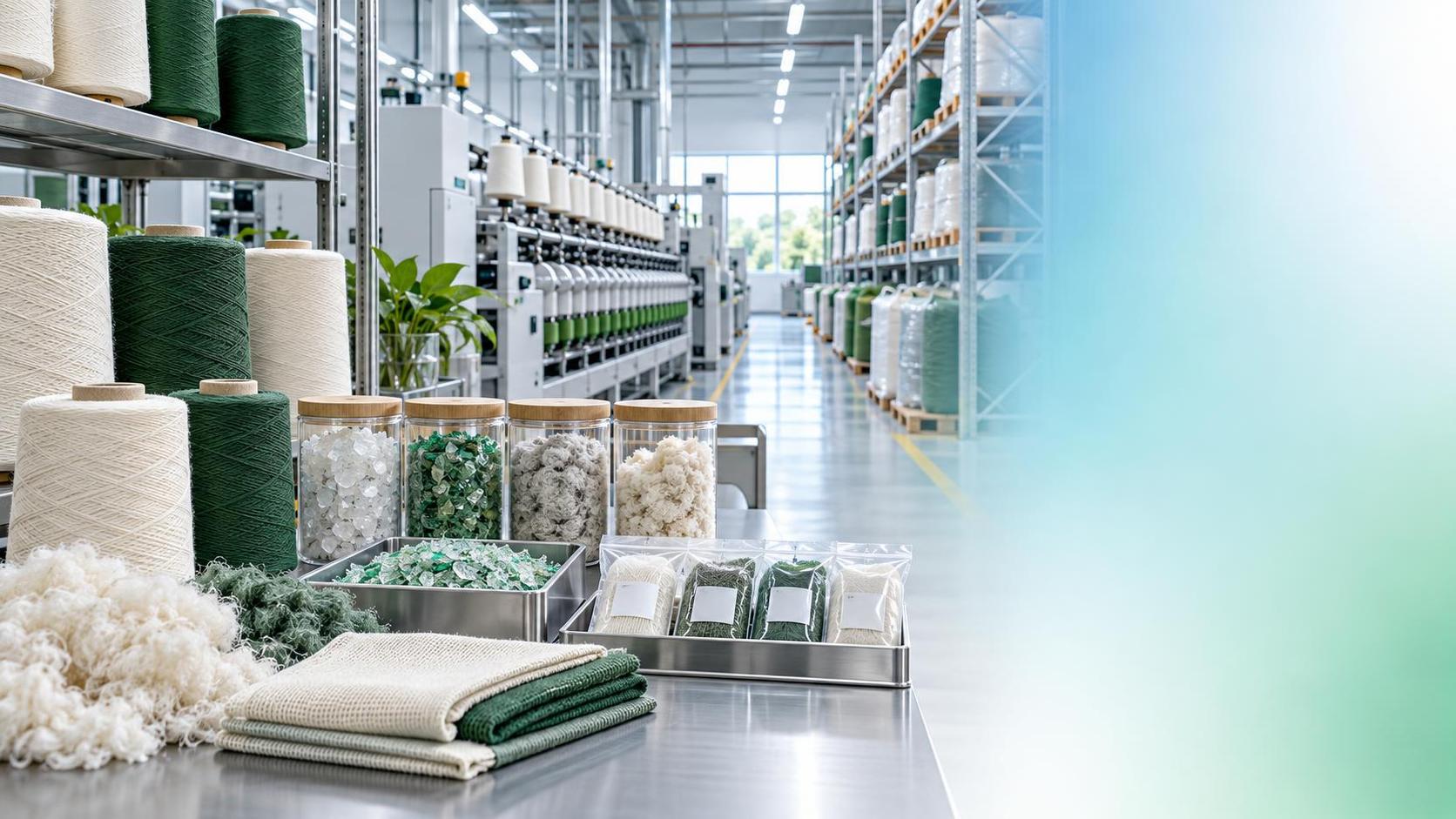
This shift is visible across apparel, home textiles, footwear, and promotional products. Buyers are under pressure to show progress on ESG goals, while also protecting margins. The result is more attention on recycled polyester, organic cotton, lyocell, hemp blends, and bio-based options.
For procurement, the real question is not “Is it sustainable?” but “Can it be bought, scaled, and delivered consistently?” That is where many projects succeed or fail.
Cost: Look Beyond the Unit Price
Sustainable fiber materials often carry a higher unit price than conventional fibers. But unit price alone can hide the real picture. Buyers should calculate landed cost, yield loss, processing efficiency, and compliance overhead together.
Some materials reduce waste in cutting, dyeing, or finishing. Others may need extra testing, tighter temperature control, or more careful blending. These small differences can shift the final cost more than the fiber price itself.
A useful buying rule is to ask three questions: Does the fiber improve efficiency? Does it reduce risk exposure? Does it support a higher selling story? If the answer is yes to two of the three, the premium may be justified.
- Compare quoted price with finished-product yield.
- Check whether the fiber needs special machinery or added labor.
- Include certification, testing, and freight in total cost.
Performance: What Buyers Should Test First
Performance is where sustainable fiber materials earn or lose trust. A greener label is useful only if the fabric still meets strength, comfort, durability, and processability targets.
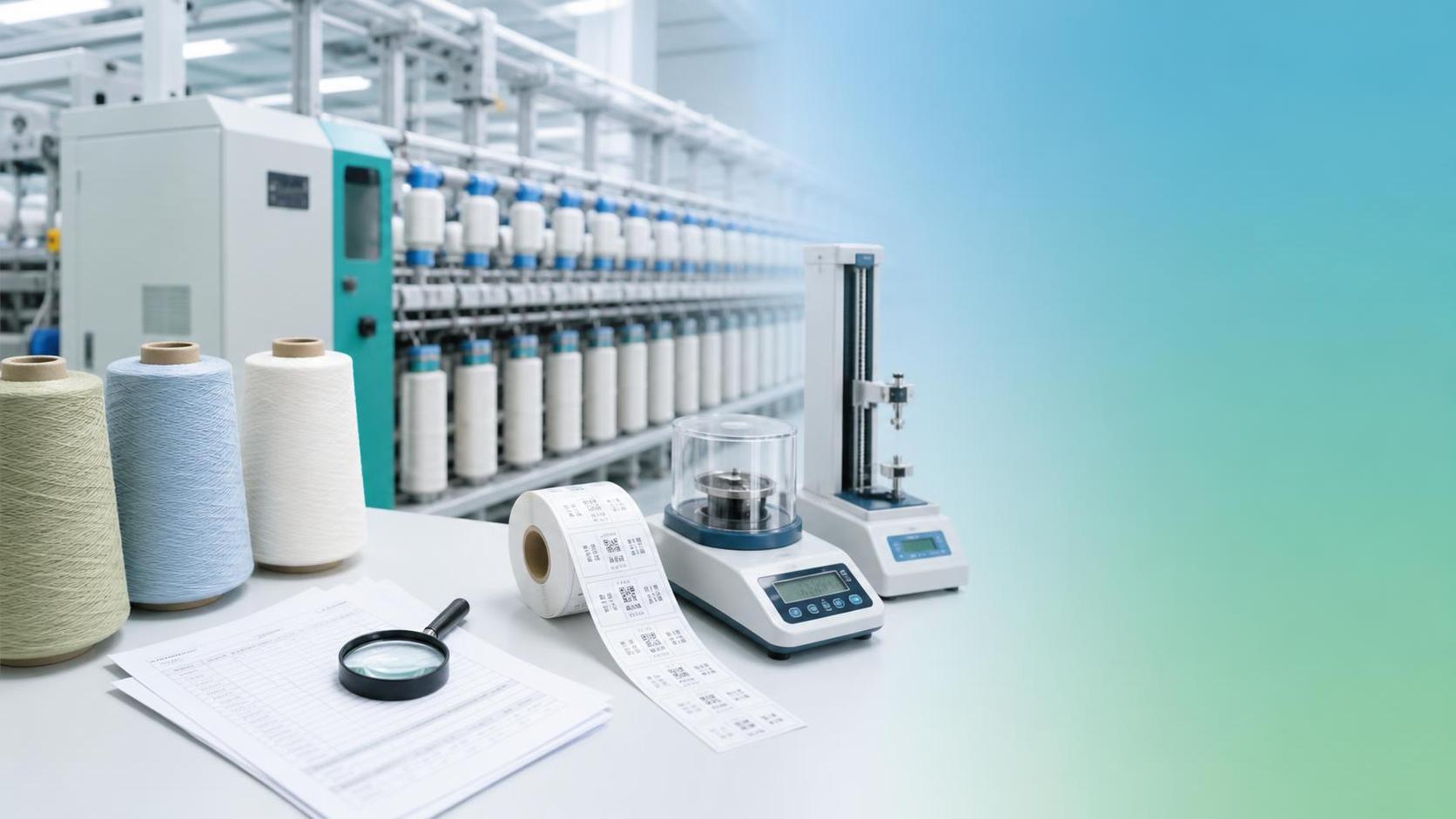
Start with the product’s end use. A fashion tee, a work shirt, a sofa cover, and a tent fabric do not need the same fiber behavior. Buyers should request test data for tensile strength, pilling, shrinkage, moisture management, and colorfastness.
Blended constructions often work better than pure-fiber solutions. For example, a recycled content blend may improve sustainability without sacrificing recovery or hand feel. In many cases, that is the practical route for sustainable fiber materials.
The best suppliers can explain not only the specification, but also how the fiber behaves in real production. That practical knowledge usually signals fewer surprises later.
Supply Risks: The Hidden Cost Driver
Supply risk is often the biggest reason sustainable fiber materials become expensive. Availability can change quickly when feedstock prices move, certification demand rises, or a supplier’s capacity shifts to another customer.
Procurement teams should map risks in four areas: raw material origin, production concentration, certification integrity, and logistics. If a fiber depends on one region or one conversion plant, that concentration deserves attention.
Traceability is also critical. If a supplier cannot clearly document chain of custody, the sustainability claim may be hard to defend. For brands selling into regulated or premium markets, that is not a small issue.
A dual-sourcing strategy can reduce exposure, but only if both suppliers truly understand the same quality target. Otherwise, the buying team gains backup supply and loses consistency.
A Practical Sourcing Framework
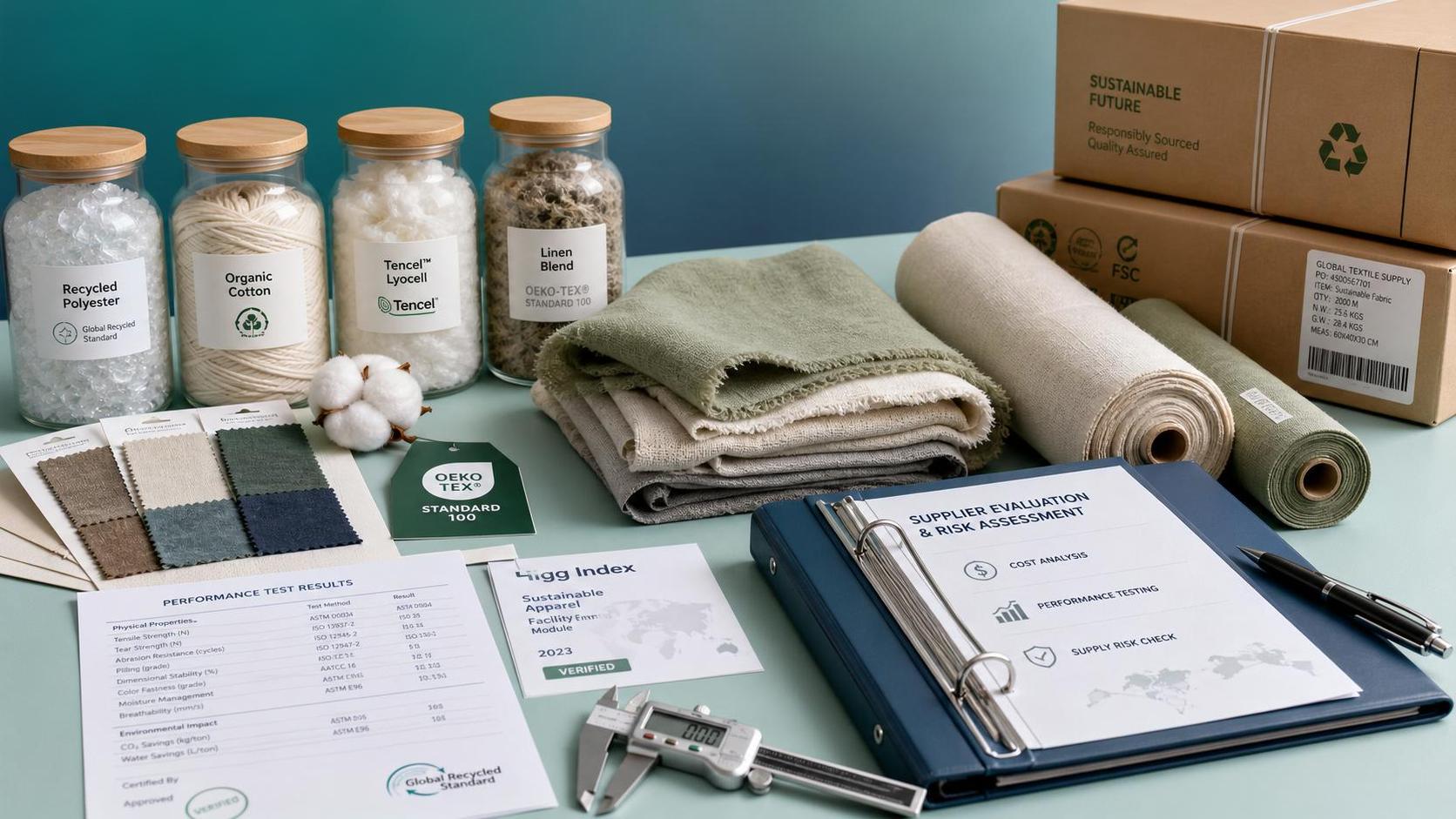
To evaluate sustainable fiber materials efficiently, use a simple scorecard. Rank each option on cost, performance, and supply risk, then compare the score against your product goal.
If the product is price-sensitive, prioritize fibers with stable supply and easier processing. If the product is premium or regulated, put more weight on certification, traceability, and performance documentation. If sustainability is part of the brand promise, ask for proof that can stand up to customer or retailer scrutiny.
In real procurement work, the best decision is often the one that balances all three dimensions instead of maximizing only one. Sustainable fiber materials should support business continuity, not create new fragility.
- Request current test reports and certification scope.
- Review supplier capacity and lead-time history.
- Confirm substitution options before volume commitment.
- Align quality standards with production reality.
What Good Suppliers Do Differently
Strong suppliers do more than quote a fiber grade. They explain origin, process, consistency, and risk controls in plain language. They also help buyers understand where sustainable fiber materials fit best and where they may need adjustment.
That support is valuable because procurement rarely buys fiber in isolation. It buys a finished result. When suppliers can translate material choices into production impact, they make decision-making much easier.
Conclusion: Buy for Total Value, Not Just Sustainability Claims
Sustainable fiber materials can deliver real value, but only when cost, performance, and supply risks are reviewed together. The strongest sourcing strategy is grounded in data, testing, and backup planning.
For procurement teams, the next step is clear: build a short list of qualified options, compare total cost, verify performance in use, and challenge every sustainability claim with traceable evidence. That approach protects margin while supporting better product decisions.