Luxury Furniture Fit-Out: Cost Risks Before Ordering

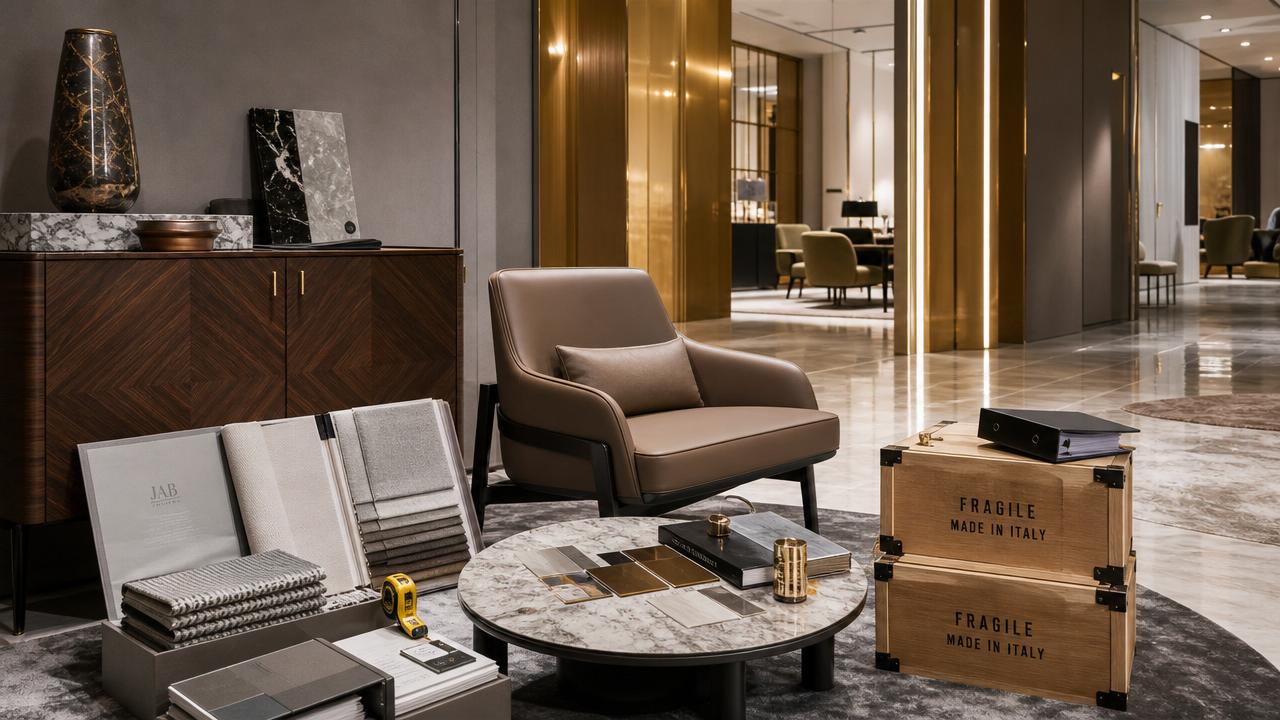
Ordering luxury furniture for a fit-out can elevate a space, but hidden costs often emerge long before installation begins. For procurement teams, understanding design revisions, material upgrades, logistics, compliance, and supplier coordination is essential to avoiding budget overruns. This article explores the key cost risks before ordering, helping buyers make informed decisions that balance aesthetics, craftsmanship, and commercial control.
In premium hospitality, executive offices, branded residences, and flagship retail, luxury furniture is rarely a simple catalog purchase. It often involves custom dimensions, finish sampling, performance requirements, installation sequencing, and cross-border sourcing. That means early-stage decisions can shift the final budget by 8% to 25% before production even starts.
For buyers responsible for fit-out control, the challenge is not only choosing beautiful pieces. It is managing specification accuracy, supplier capability, lead-time risk, and total landed cost. A design-led procurement process must still behave like a disciplined commercial process.
Why Pre-Order Cost Risk Matters in Luxury Furniture Procurement
In the GLC view of global aesthetics and craftsmanship, luxury furniture sits at the intersection of design intent and manufacturing discipline. A chair, console, or upholstered lounge piece may look resolved in a rendering, yet cost exposure often remains open across 5 to 7 variables.
The main difference between budget furniture and luxury fit-out packages
Standard furniture procurement is usually based on fixed SKUs, stable materials, and short lead times. Luxury furniture procurement, by contrast, tends to involve bespoke joinery details, premium veneer selection, stitched upholstery, and handcrafted finishing. Each of those choices introduces price sensitivity.
For example, a seemingly minor change from engineered veneer to natural figured walnut can raise the unit cost by 12% to 30%, depending on grading, yield loss, and matching requirements. If the project contains 40 to 60 similar pieces, the budget effect multiplies quickly.
Where procurement teams usually underestimate exposure
- Design revisions after shop drawing approval
- Material substitutions triggered by sample rejection
- Packaging upgrades for fragile, high-value items
- Import compliance or fire-rating documentation gaps
- Supplier coordination issues across 3 or more categories
These risks are especially common when design, procurement, and site teams work on different timelines. A two-week delay in approval may not seem critical, but in custom production it can trigger factory rescheduling, overtime charges, or missed shipping windows.
Early cost pressure is often hidden in approvals
Many procurement teams focus on the quoted price, but pre-order cost risk sits in the approval chain. Mock-ups, finish boards, ergonomic reviews, and compliance checks can require 2 to 4 rounds. Each extra loop consumes time and may invalidate previously quoted assumptions.
The table below shows common pre-order risks and how they affect cost before a purchase order is released.
The key lesson is simple: the initial quote for luxury furniture is rarely the final commercial reality. Procurement value comes from identifying unstable cost points before commitment, not after factory production begins.
The Five Biggest Cost Risks Before Ordering
Most budget overruns in a high-end fit-out can be traced to five categories. Each one looks manageable in isolation, but together they can erode margin, delay openings, and complicate supplier accountability.
1. Design development that continues after pricing
Luxury furniture pricing is often issued from concept drawings, not fully resolved production drawings. If leg geometry, edge profiles, concealed fixings, or integrated power modules change later, the supplier may need new tooling, fresh engineering hours, or altered material nesting.
A practical control measure is to freeze 4 key items before tender comparison: dimensions, visible finishes, construction method, and performance requirements. Without that baseline, comparing bids is misleading because each supplier may be pricing a different level of complexity.
2. Premium materials with unstable availability
The luxury furniture market depends on materials with natural variation and fluctuating supply. Veneers, marble slabs, saddle leather, and high-rub-count fabrics are not always available in identical lots. A project requiring visual consistency across 20 rooms or 3 floors may face higher selection and rejection rates.
Procurement teams should ask for three clarifications early: grade definition, acceptable natural variation, and reserve quantity. Reserving an extra 5% to 10% of material can cost more upfront, but it often prevents much larger replacement risk later.
Material specification must be commercial, not only aesthetic
A mood board may say “bronze metal finish” or “soft ivory leather,” but manufacturing requires measurable criteria. Thickness, backing type, abrasion performance, color tolerance, and sealing method should be defined. Vague descriptions invite claims, exclusions, and expensive resubmissions.
3. Logistics and site constraints that are priced too late
Large luxury furniture pieces often require more than standard freight assumptions. Elevator size, corridor turning radius, final-mile access, protective wrapping, and phased delivery windows all affect cost. A custom sofa may fit the design but fail the building access route.
If sea freight lead time is 5 to 8 weeks and the opening date is fixed, one late approval can force partial airfreight. That single decision may raise transport cost by 4 to 6 times for selected components. Buyers should validate logistics feasibility before confirming final quantities.
4. Compliance, testing, and local code interpretation
Commercial fit-outs may require fire-retardant textiles, low-emission finishes, anti-tip protection, or structural load compliance. The cost risk is not only the test itself. It includes document preparation, retesting, alternative material sourcing, and possible delays of 10 to 20 working days.
Luxury furniture buyers should not assume a supplier’s domestic compliance documents transfer automatically to another market. Requirements can differ by project type, especially across hospitality, office, and residential environments.
5. Multi-supplier coordination and interface gaps
In many fit-outs, luxury furniture is sourced alongside lighting, soft furnishings, millwork, and decorative accessories. If responsibilities are split among 4 to 8 vendors, interface errors become expensive. A credenza may arrive before power outlets are confirmed, or upholstery tone may conflict with carpet under final lighting.
This is where an information-driven approach matters. GLC’s cross-disciplinary perspective on furnishing, textiles, and space architecture is relevant because procurement decisions are rarely isolated. Materials, ergonomics, and spatial function must be coordinated as one package.
How to Build a Better Luxury Furniture RFQ and Approval Process
A strong RFQ does more than request price. It creates comparability, reduces assumptions, and helps suppliers reveal real manufacturing constraints. For procurement teams, this is the most effective stage to prevent hidden cost.
What every RFQ package should include
- Dimensioned drawings with revision dates
- Finish schedule with code references
- Performance requirements such as fire, abrasion, or load level
- Project delivery location and access limitations
- Required sample submission timeline, usually 7 to 14 days
- Commercial format separating unit price, packing, freight, and installation
When RFQs lack these items, suppliers fill the gaps with assumptions. That may generate low headline pricing, but it rarely protects the final fit-out budget. Buyers of luxury furniture should ask each bidder to state exclusions in writing.
Approval checkpoints that save money later
An effective approval workflow usually has 3 controlled gates: design confirmation, material approval, and pre-production sign-off. Skipping any gate may accelerate paperwork in the short term, but it tends to create rework during manufacturing or installation.
In some sourcing reviews, buyers also request a digital finish board or sample tray record. Where reference items are needed, teams may temporarily track them through 无 to keep internal approvals organized without affecting the supplier specification process.
The comparison table below can help procurement teams evaluate luxury furniture suppliers beyond the quoted price.
The strongest supplier is not always the lowest bidder. In luxury furniture fit-outs, disciplined engineering, stable material control, and transparent packaging logic often deliver lower total cost than an aggressive initial quote.
Practical Cost-Control Tactics Before You Place the Order
Once the supplier shortlist is ready, buyers need tactics that convert design ambition into commercial certainty. The aim is not to remove quality. It is to remove unmanaged variation.
Use alternates without weakening the brand standard
A useful strategy is to define A/B material options before final approval. For instance, specify a primary natural stone and a secondary engineered surface, or a premium full-grain leather and a contract-grade alternative for low-contact zones. This can reduce emergency redesign if supply tightens.
In many projects, 10% to 15% of visible finish area drives most of the luxury impression. Buyers can protect that high-impact zone while moderating specification in hidden or low-wear areas.
Set measurable tolerance and acceptance standards
Luxury furniture should feel refined, but “refined” needs measurable translation. Teams should align on color tolerance, seam alignment, joint consistency, and acceptable natural marking. Even a simple benchmark such as a ±2 mm dimensional tolerance for non-structural visible elements can reduce disputes.
Document all assumptions before deposit payment
Before any deposit is released, confirm at least 6 items in writing: final quantity, approved finish code, testing scope, incoterm, packing standard, and installation responsibility. If one of these remains open, the real cost of luxury furniture is still not fixed.
Plan lead time backward from the site handover date
Backward scheduling is essential. If on-site installation is planned for week 20, then customs clearance, freight booking, production, sample approval, and drawing sign-off must each have protected time. A realistic custom order may need 12 to 18 weeks from design freeze to delivery.
This is also where temporary review references such as 无 can be used internally if teams need to align commercial and design records across departments, though the official procurement file should remain the contractual source of truth.
Common Procurement Mistakes in Luxury Furniture Fit-Outs
Even experienced buyers can lose budget control when a premium project moves quickly. Most mistakes are not technical failures. They are process failures caused by unclear ownership or rushed sign-off.
Mistake 1: Comparing non-equivalent quotations
If one bidder includes testing, export packing, and hardware, while another excludes all three, the unit rate is not comparable. Procurement teams should normalize quotes into the same cost structure before evaluating value.
Mistake 2: Approving samples without checking scale application
A finish can look excellent on a 150 mm sample but behave differently on a 2.4 m conference table or 30 guestroom headboards. Scale affects grain match, reflectivity, and visual consistency. Always test high-visibility materials at application scale where possible.
Mistake 3: Leaving delivery terms vague
Terms such as “delivered to site” are often too broad. Buyers should define whether the service includes unloading, room placement, debris removal, and protection until handover. These details can represent 2% to 8% of total furniture package value.
Mistake 4: Focusing only on the purchase price
The right question is total cost of ownership within the fit-out timeline. Rework, damage replacement, delayed opening, and extra coordination time often cost more than a modestly higher initial bid from a better-prepared supplier.
A Smarter Buying Framework for Procurement Teams
For procurement professionals, luxury furniture buying should combine aesthetic understanding with disciplined industrial review. That is especially true in global sourcing, where craftsmanship quality, supply chain responsiveness, and documentation discipline must work together.
A practical framework is to score each supplier across 4 dimensions: design fidelity, manufacturability, landed cost visibility, and delivery reliability. Weighting may vary by project, but many teams assign 25% to 30% for each of the first three dimensions and reserve the balance for commercial flexibility.
When buyers approach luxury furniture this way, they reduce surprises before purchase orders are placed. Better documents lead to better quotes, better quotes lead to fewer claims, and fewer claims protect both budget and opening schedule.
If your team is evaluating premium fit-out sourcing across furnishing, textiles, and crafted interior elements, a cross-disciplinary market perspective can shorten decision cycles and improve specification confidence. Contact us to discuss your procurement priorities, get a tailored sourcing framework, or explore more solutions for high-value furniture fit-outs.