Adjustable Office Furniture: Cost vs Long-Term Value


Adjustable Office Furniture: Cost vs Long-Term Value
For procurement teams, buying adjustable office furniture is rarely a simple price comparison.
The visible cost sits on the quotation sheet.
The hidden value shows up over years of daily use.
That gap matters more now because workplaces are changing faster than furniture replacement cycles.
Hybrid work, flexible layouts, wellness goals, and tighter budgets all shape purchasing decisions.
This is why adjustable office furniture deserves a broader value review.
A cheaper desk may reduce initial spend.
But if it causes comfort complaints, faster wear, or poor space flexibility, the total cost rises quickly.
In practical sourcing, the best choice balances acquisition cost with service life, user support, and future adaptability.
Why Adjustable Office Furniture Costs More Upfront
At first glance, adjustable office furniture often looks expensive compared with fixed alternatives.
That price difference usually comes from engineering, materials, and performance expectations.
Height-adjustable desks need lift mechanisms, stable frames, tested motors, and better control systems.
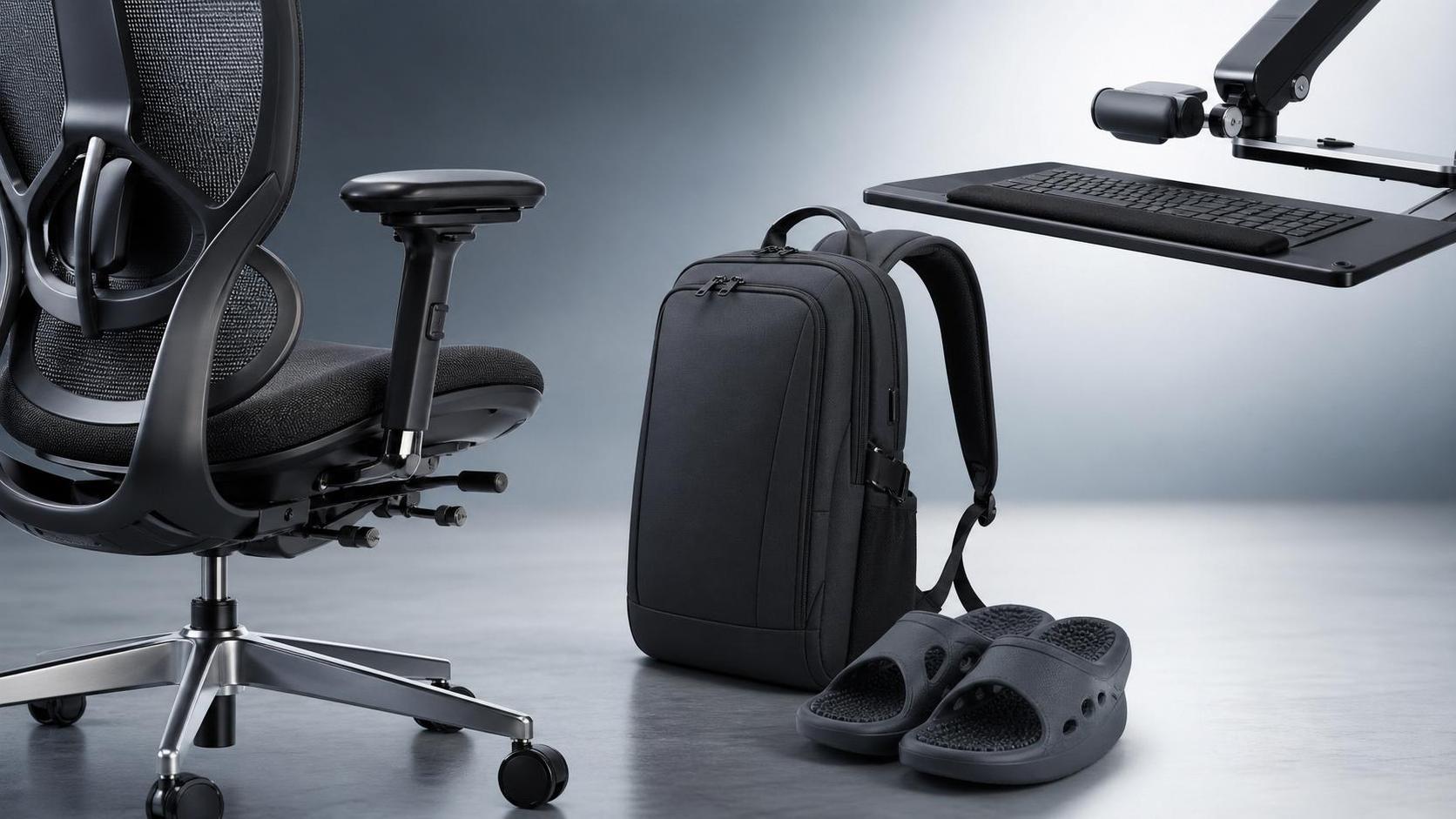
Adjustable task chairs include more moving parts, finer calibration, and stronger support components.
These features add manufacturing complexity, testing time, and quality control requirements.
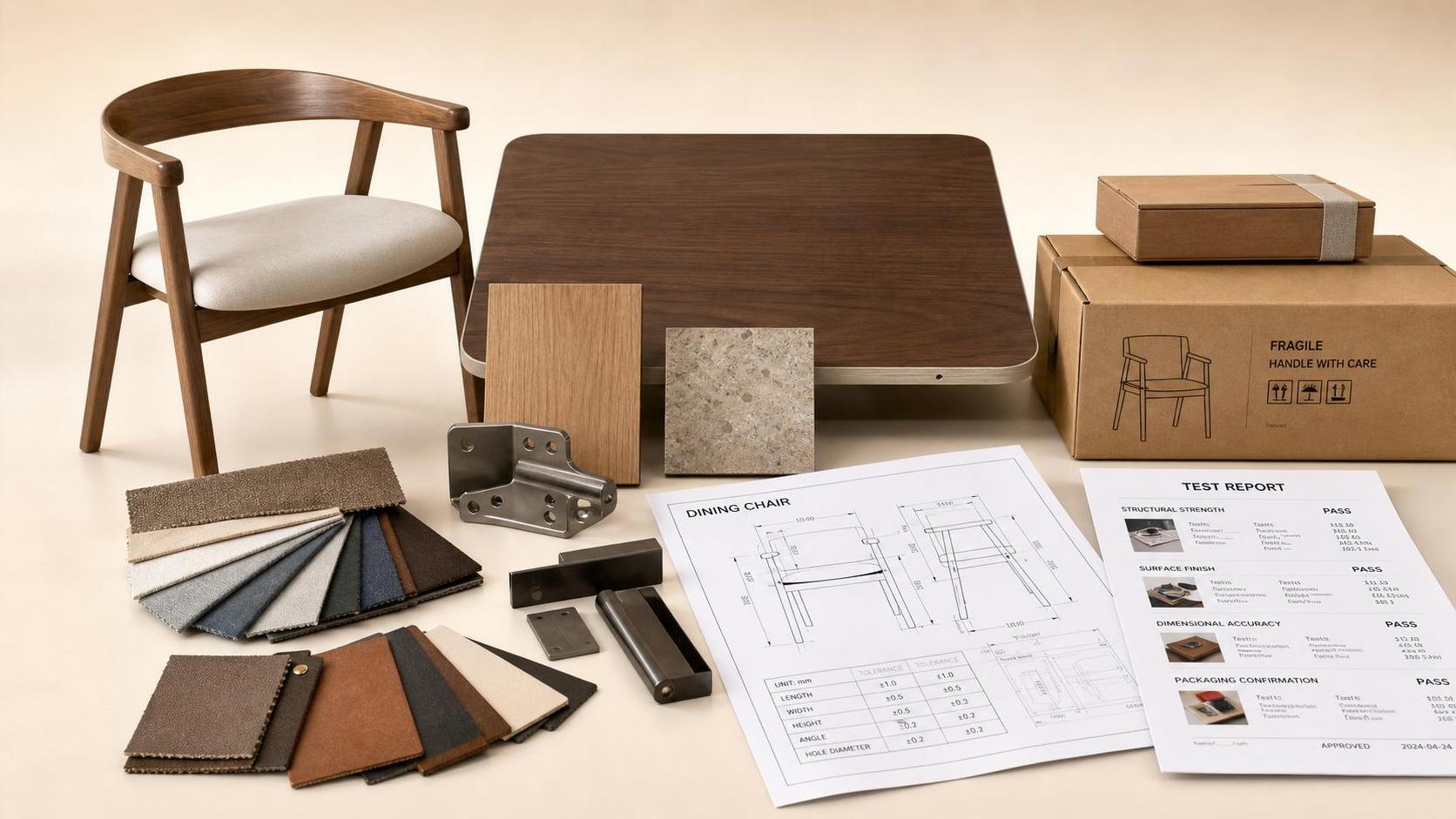
In many cases, compliant ergonomic products also need certification support and stricter durability validation.
From a sourcing angle, higher unit price does not automatically mean poor value.
It may simply reflect a product built to handle heavier usage and more varied user needs.
Key Cost Drivers to Check
- Adjustment mechanism quality, including motor lifespan or manual lift reliability.
- Frame stability at different heights, especially for shared workstations.
- Material durability, surface finish, and resistance to scratches or stains.
- Warranty coverage for electrical parts, structural parts, and moving components.
- Installation complexity, spare parts availability, and after-sales response.
Looking beyond list price helps separate premium engineering from inflated branding.
Where Long-Term Value Really Comes From
The long-term value of adjustable office furniture comes from repeated daily benefits.
These benefits may seem small at first.
Over a three to seven year cycle, they become financially meaningful.
Ergonomic support is one major factor.
Furniture that fits different body types reduces discomfort, improves posture, and supports longer focused work.
This is especially important in shared offices, project-based seating, and hot-desking environments.
Flexibility is another strong value driver.
If teams grow, relocate, or reconfigure departments, adjustable office furniture adapts with less replacement pressure.
That means lower churn and better asset utilization.
More importantly, a well-made adjustable setup usually lasts longer under mixed user conditions.
Value Areas Often Missed in Early Budget Reviews
- Lower replacement frequency across departments with diverse user profiles.
- Better support for workplace wellness initiatives and ESG-aligned office upgrades.
- Reduced furniture mismatch after mergers, team moves, or layout redesigns.
- Stronger employee acceptance during office modernization projects.
In short, adjustable office furniture can protect both operational continuity and future planning flexibility.
How to Compare Total Cost of Ownership
The smartest way to evaluate adjustable office furniture is through total cost of ownership.
This shifts attention from purchase price to lifecycle economics.
A lower-cost option may still be more expensive over time.
That usually happens when maintenance, failure rates, or early replacement are overlooked.
This broader model helps justify adjustable office furniture in budget reviews.
It also creates a clearer basis for supplier comparison.
Simple TCO Questions to Ask Suppliers
- What is the tested lifespan under commercial usage conditions?
- Which components fail most often, and how are they replaced?
- How quickly can service parts be supplied locally or regionally?
- What is the warranty claim process for motors, controls, and frames?
- Can the product support future reconfiguration without major add-on cost?
Operational Risks Behind the Cheapest Option
Cost pressure can push projects toward the lowest bid.
That approach is understandable, but it carries risks.
With adjustable office furniture, weak construction issues usually appear after installation, not before.
Common problems include wobble at full height, motor noise, inconsistent lifting speed, and poor cable management.
For chairs, risks include unstable recline tension, armrest looseness, and foam breakdown.
These issues create complaints, service calls, and user resistance.
More noticeably, they can damage confidence in broader office upgrade plans.
In real business settings, poor furniture performance becomes an operations problem very quickly.
Warning Signs During Supplier Evaluation
- Warranty terms are vague or limited to only a few parts.
- Load capacity and test standards are missing from documentation.
- Samples feel unstable during repeated adjustment checks.
- Lead times for replacement parts are unclear.
- The supplier cannot explain commercial-use case performance.
Choosing adjustable office furniture with solid service backing reduces these risks substantially.
What Procurement Should Prioritize in 2025
Recent market signals show a more mature buying approach.
Buyers are no longer asking only, “What does it cost today?”
A stronger question is, “What does it save or support over time?”
This shift aligns with how modern workspaces are planned.
Office investments now need to support health, adaptability, visual quality, and better asset management.
That also means adjustable office furniture should be reviewed as part of a broader space strategy.
At GLC, this is where design logic and manufacturing insight need to meet.
A desk or chair is never just a product spec.
It reflects supply chain capability, craftsmanship consistency, and how well a supplier understands workplace behavior.
That perspective matters when comparing global sourcing options.
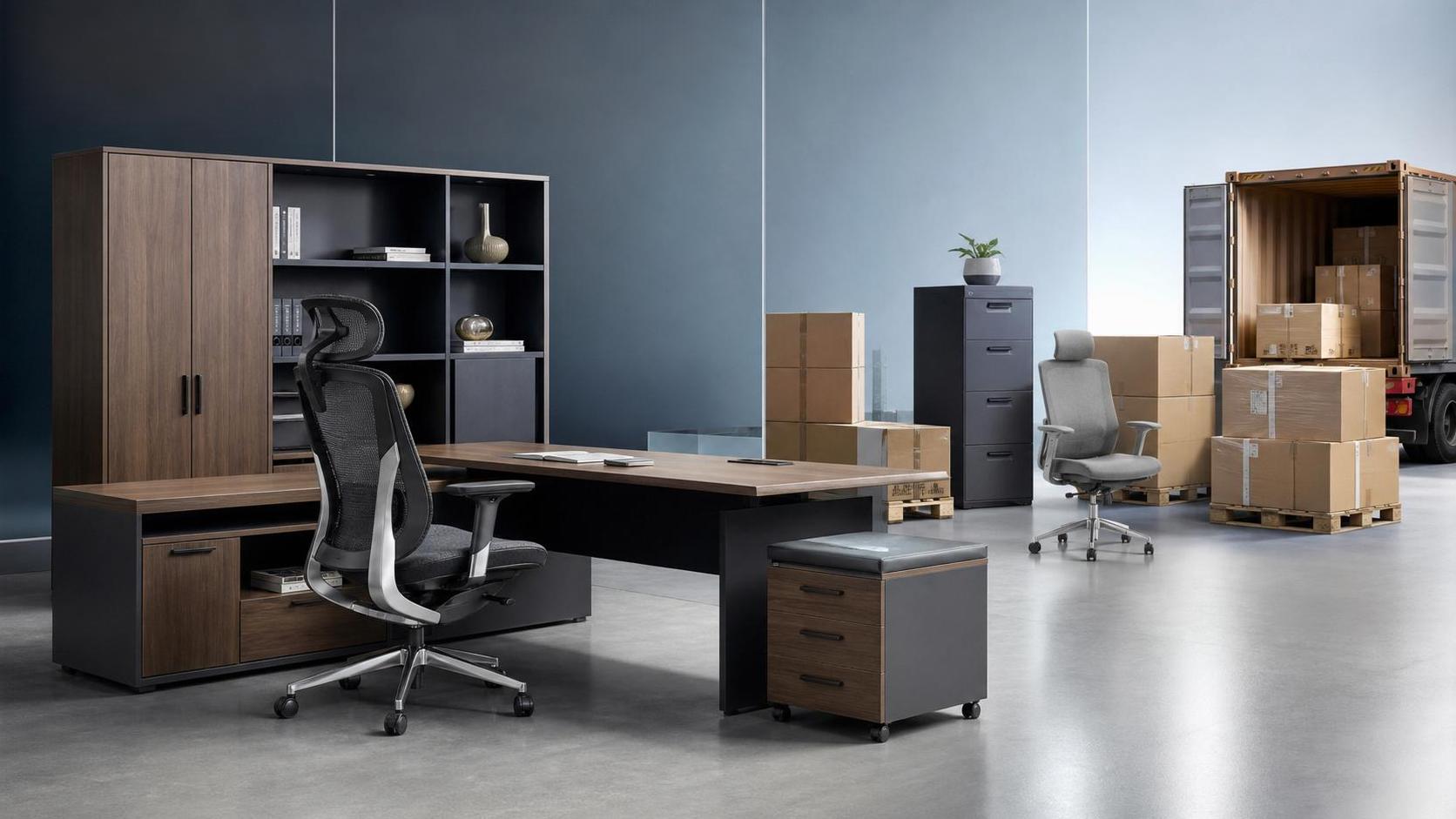
The most reliable adjustable office furniture program is one built on tested quality and scalable delivery.
Practical Buying Priorities
- Set a lifecycle budget, not only a unit-price target.
- Test samples under real user conditions before scaling orders.
- Review warranty depth and local service capability in detail.
- Check whether adjustable office furniture fits future layout changes.
- Choose suppliers that can link ergonomic design with production reliability.
Final Takeaway
Adjustable office furniture costs more at the start, but the right product often returns more over time.
The real decision is not cheap versus expensive.
It is short-term savings versus long-term performance.
When sourcing adjustable office furniture, focus on durability, user fit, maintenance support, and flexibility.
Those factors define actual value more accurately than sticker price alone.
A disciplined review process leads to better cost control and fewer operational surprises.
That is the smarter path for any organization planning a sustainable workplace investment.
If the goal is lasting return, adjustable office furniture should be evaluated as a business asset, not a line-item expense.