Adjustable Office Furniture: Key Features That Improve Daily Ergonomics

Why is adjustable office furniture getting so much attention now?
Hybrid work changed more than location. It changed how people sit, move, focus, and switch between tasks during the day.
That is why adjustable office furniture now matters in both home offices and shared workplaces.
The goal is not only comfort. Daily ergonomics also affect concentration, fatigue, posture, and how long a workspace stays usable.
In practical terms, adjustable office furniture supports movement instead of locking the body into one fixed position.
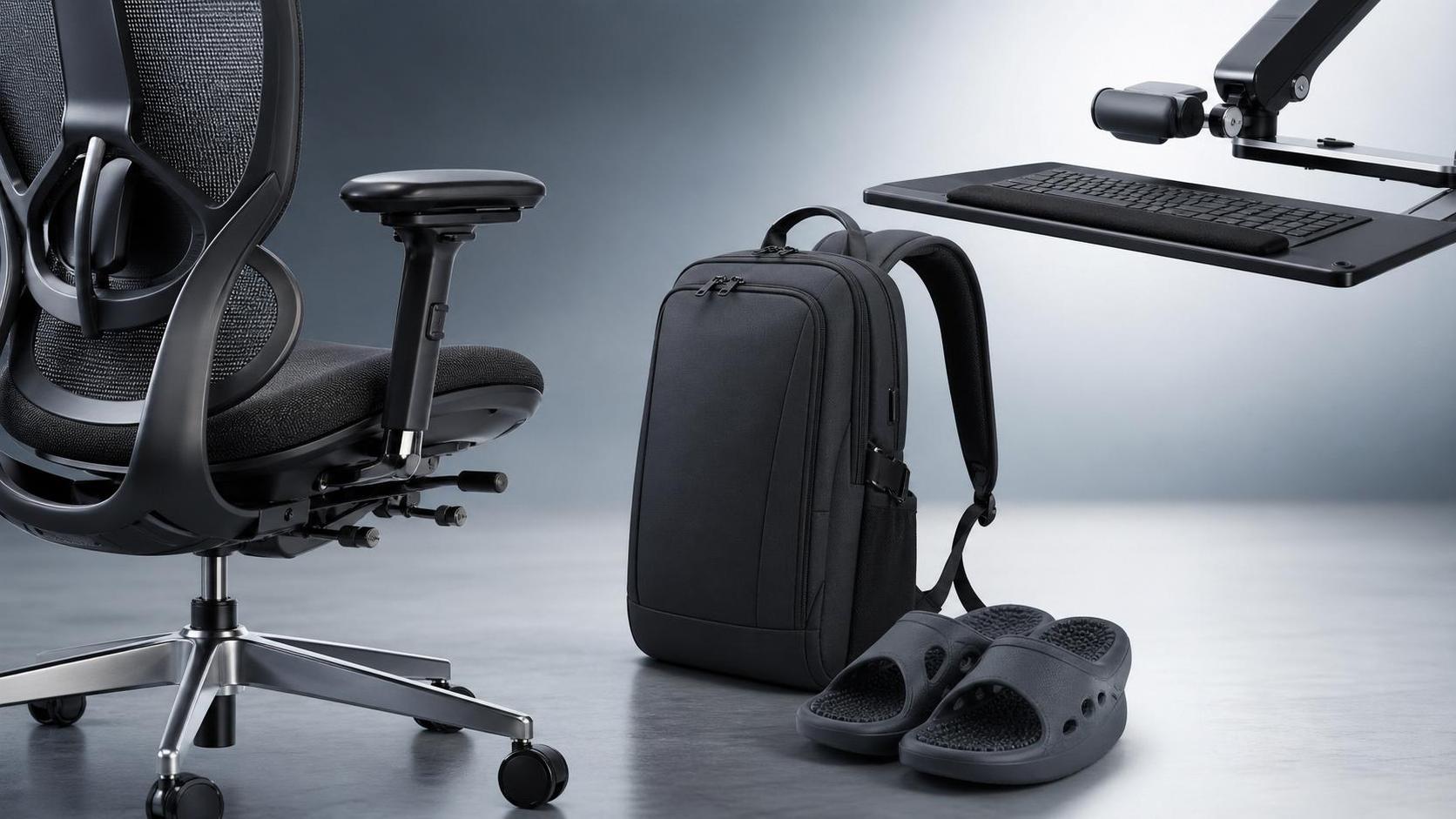
Height-adjustable desks, task chairs with responsive support, and flexible storage all contribute to healthier routines.
From GLC’s industry perspective, this category also reflects a wider shift.
Office and space design is no longer judged by appearance alone.
Researchers increasingly look at craftsmanship, component durability, material standards, and supply chain logic behind every furniture decision.
So when people search for adjustable office furniture, they are usually asking a bigger question.
Which features truly improve daily ergonomics, and which ones only sound ergonomic in marketing language?
What actually counts as adjustable office furniture?
A useful definition is simple.
Adjustable office furniture includes pieces that can be tuned to fit different body sizes, tasks, and work rhythms.
The most familiar example is a sit-stand desk, but the category is broader than that.
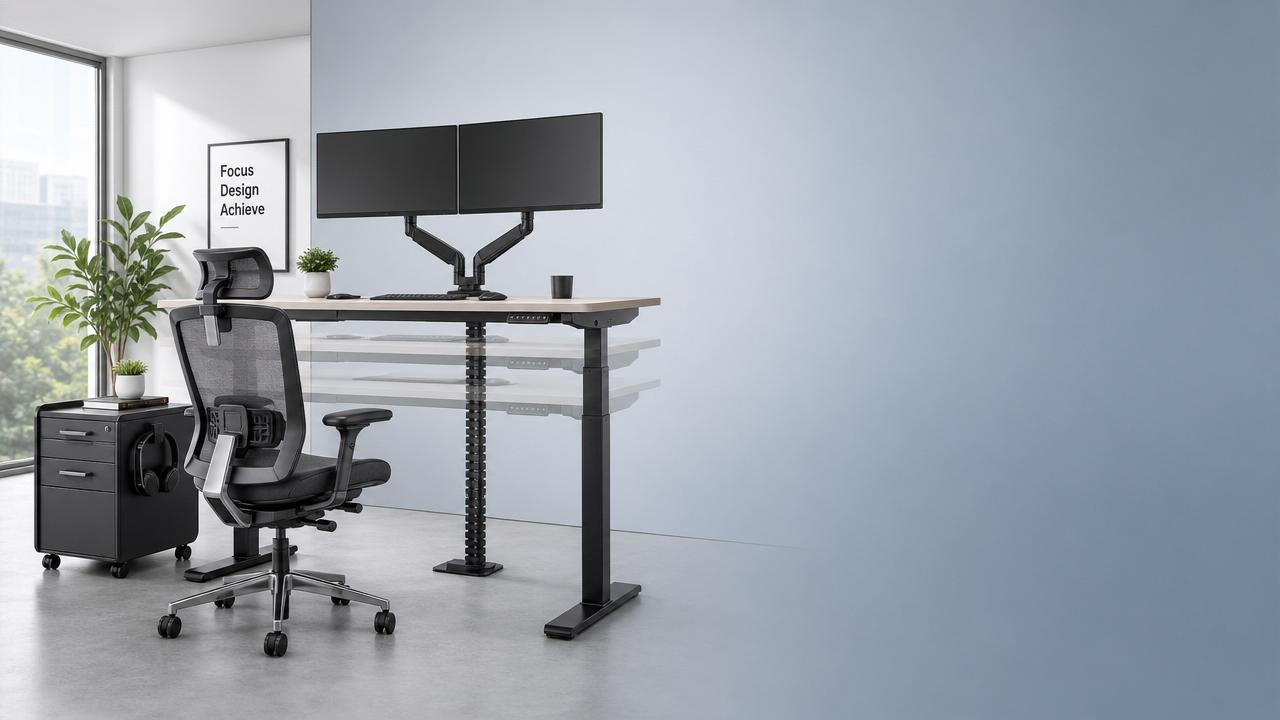
- Desks with height range, stable lifting columns, and memory presets
- Chairs with seat depth, lumbar tension, armrest, and recline adjustment
- Monitor arms with tilt, swivel, and height positioning
- Storage and accessories that reduce reaching, twisting, or floor clutter
The key idea is fit.
Good adjustable office furniture adapts to the user and the task, not the other way around.
This matters because a workstation often serves multiple activities in one day.
Typing, calls, sketching, reviewing samples, and video meetings place different demands on the body.
A fixed setup may look clean, but it rarely supports all of them well.
Which features improve daily ergonomics rather than just adding complexity?
This is where many comparisons become more meaningful.
Not every adjustment delivers the same ergonomic value.
The most useful features are the ones people can understand quickly and use repeatedly without effort.
Desk adjustment should be smooth and stable
A desk that wobbles at standing height creates tension in the shoulders and wrists.
Smooth lifting speed matters too, especially in shared spaces.
Memory presets make behavior more consistent because users do not need to recalculate settings each time.
Chairs need more than height control
Seat height alone cannot solve lower back strain.
Look for lumbar support that follows the spine, seat depth that avoids knee pressure, and armrests that support the forearms lightly.
An overbuilt chair with confusing levers often gets ignored.
A simpler chair with well-placed controls may perform better in everyday use.
Monitor placement often decides neck comfort
People often blame the chair when the real issue is screen height.
A monitor arm helps align the top of the screen near eye level and keeps viewing distance consistent.
That small correction can reduce neck extension over long sessions.
Storage should support reach and workflow
Daily ergonomics also includes what happens around the desk.
Frequently used items should stay within easy reach.
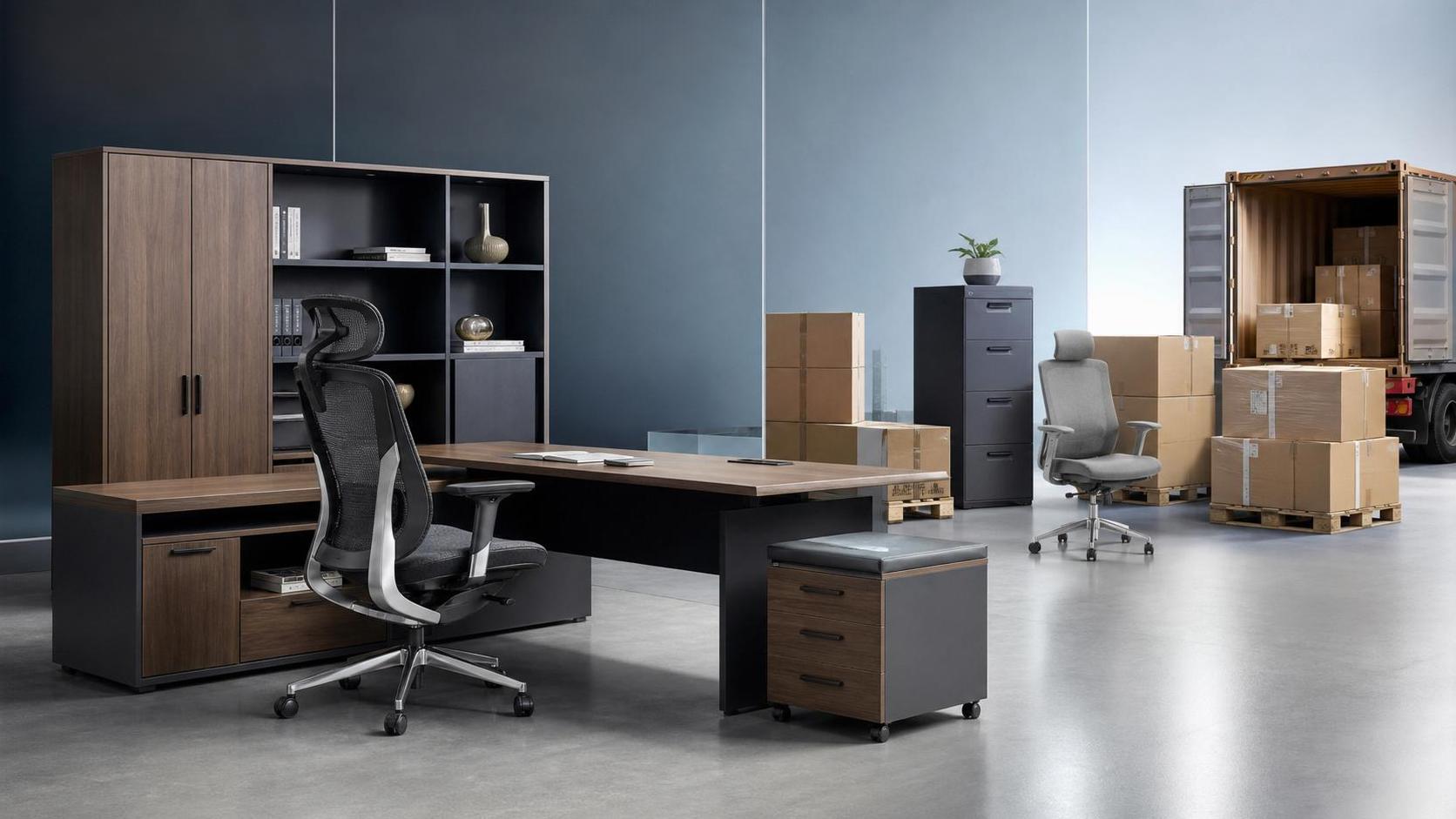
Mobile pedestals, modular shelves, and cable management reduce awkward bending and unnecessary repetition.
A quick table like this helps separate essential ergonomic functions from decorative extras.
Where does adjustable office furniture make the biggest difference?
The answer depends less on industry labels and more on work patterns.
Adjustable office furniture is most valuable where the same station must support changing tasks or different users.
Shared offices are one obvious case.
When multiple people use one workstation, fixed dimensions quickly become a comfort problem.
Home offices are another strong use case.
Many home setups borrow space from bedrooms, living rooms, or multi-use corners.
In that setting, flexibility matters as much as ergonomics.
Creative and technical workstations also benefit.
Tasks involving samples, devices, dual screens, or frequent posture changes need more than a standard desk and chair.
GLC often frames this through the link between aesthetics and craftsmanship.
A well-designed workstation should look coherent, but it should also reveal sound engineering, durable mechanisms, and thoughtful material choices.
That balance is what makes an ergonomic solution practical over time, not just attractive on first inspection.
How do you compare options without getting lost in specifications?
A useful comparison starts with behavior, not brochures.
Ask how the furniture will be used during a normal day.
Then match features to those actions.
- If standing happens often, prioritize desk stability and quick presets.
- If sitting dominates, chair support and monitor position deserve closer review.
- If the layout changes often, modular storage and cable routing become more important.
It also helps to compare mechanical quality, not only visible finish.
For adjustable office furniture, hidden components often determine long-term value.
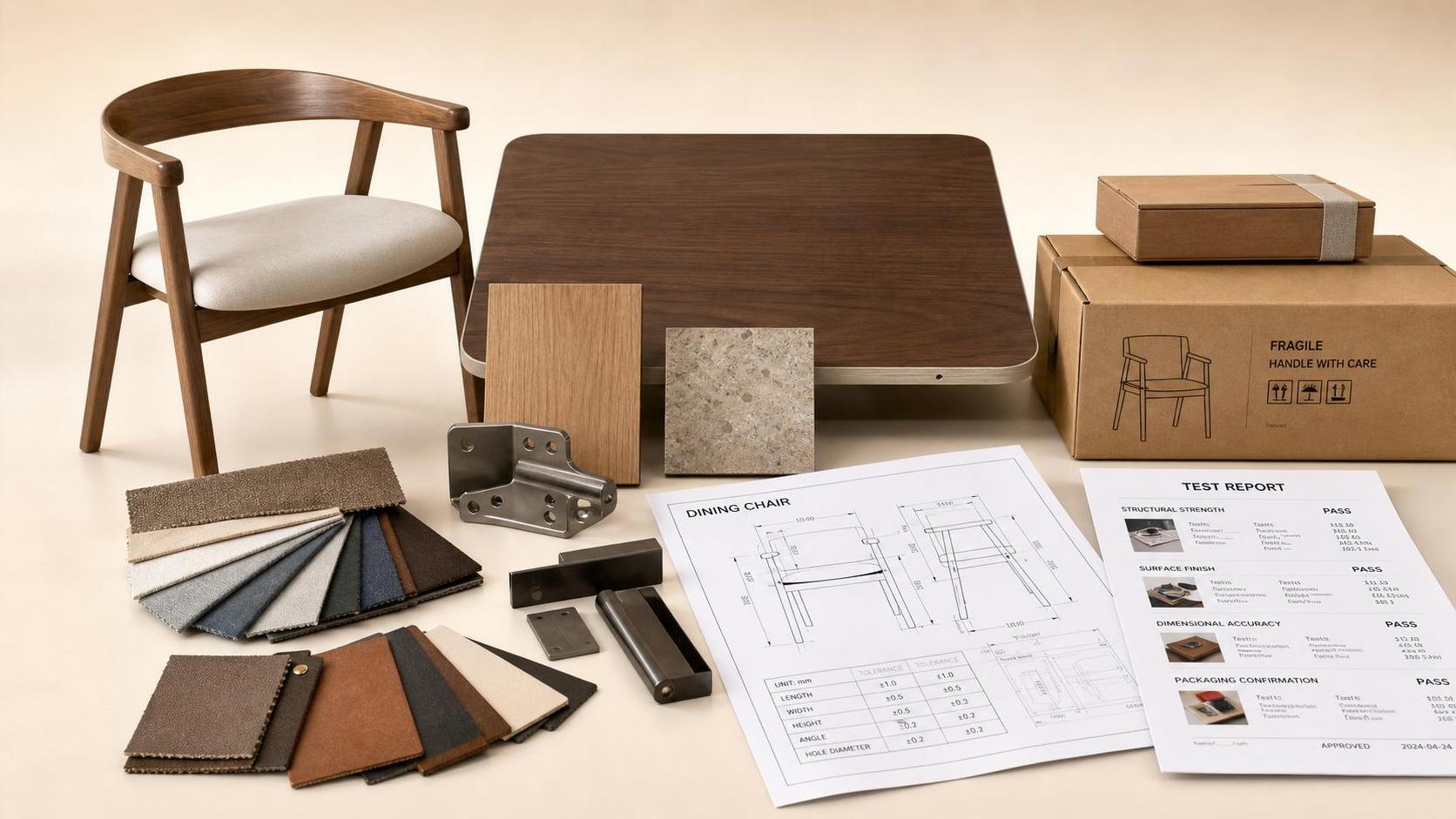
That includes lifting motors, fasteners, gas lifts, casters, hinges, and upholstery performance.
In supply chain research, these details matter because poor mechanisms can make a stylish product fail early.
A sensible review framework looks like this:
- Fit: Does the adjustment range suit real body dimensions?
- Ease: Can settings be changed quickly without frustration?
- Stability: Does the product stay steady under normal load?
- Durability: Are materials and moving parts built for repeated use?
- Integration: Does it work with screens, accessories, and room layout?
This keeps the evaluation grounded in ergonomics instead of feature inflation.
What mistakes are common when choosing adjustable office furniture?
One common mistake is treating one adjustable item as a complete ergonomic solution.
For example, a sit-stand desk alone cannot fix poor screen height or weak lumbar support.
Another mistake is overvaluing maximum adjustability.
More controls do not always mean better daily ergonomics.
If the adjustments are awkward, people stop using them.
Material assumptions also cause problems.
A premium-looking surface may hide weak structural parts.
Likewise, breathable fabric, resilient foam, and tested components usually matter more than decorative detailing.
There is also a planning issue.
Some spaces buy adjustable office furniture without checking power access, floor level, monitor weight, or clearance for movement.
That leads to compromises after installation.
A short pre-check usually prevents that:
- Measure user height range and room dimensions
- Confirm daily tasks and equipment load
- Review adjustment frequency and maintenance access
- Check warranty terms and replacement parts availability
Is adjustable office furniture worth the extra cost and effort?
Usually, yes, but only when the added function matches actual use.
The value comes from sustained comfort, better posture variation, and longer product relevance.
A fixed setup may cost less upfront, yet become limiting as work habits change.
Adjustable office furniture tends to perform better in evolving environments because it supports adaptation.
That said, the smartest decision is rarely the most expensive configuration.
It is the one with the clearest ergonomic return.
GLC’s broader view is useful here.
When design intelligence meets manufacturing discipline, furniture choices become easier to judge.
You are not only comparing style or price.
You are comparing how materials, mechanisms, and workspace behavior come together in daily life.
If the next step is evaluation, start by mapping the real tasks performed at the workstation.
Then compare adjustable office furniture by fit, stability, ease of use, and long-term maintenance.
That approach leads to better ergonomic decisions than chasing features in isolation.