Ergonomic Office Furniture: What Improves Daily Comfort?

For technical evaluators, ergonomic office furniture is no longer a decorative upgrade. It has become a practical response to longer screen time, hybrid work habits, and rising expectations for healthier workplaces.
Daily comfort now depends on measurable support. Seat geometry, desk adjustability, surface stability, and material durability all affect posture, focus, and movement throughout the day.
Within modern furnishing and space planning, the real question is not whether ergonomic office furniture matters. The better question is which features truly improve comfort and deliver long-term value.
Why ergonomic office furniture is moving from optional to essential
Workspaces have changed faster than many furniture standards. More tasks happen on screens, meetings last longer, and users switch between focused work, calls, and collaboration in one day.
This shift makes static furniture less effective. A fixed desk or poorly designed chair may look acceptable, yet still create shoulder tension, lower-back pressure, and reduced concentration.
As a result, ergonomic office furniture is increasingly evaluated like equipment rather than décor. Comfort is judged through adjustment range, body support, movement encouragement, and consistent performance over time.
This trend also reflects broader industry logic. Office and home furnishings are expected to combine design aesthetics, technical standards, and material intelligence within one integrated workspace solution.
The strongest comfort signals now come from adjustability and movement
The biggest comfort improvement usually comes from fit. People vary in height, limb length, sitting habits, and task duration. Furniture that adapts to the body performs better than one-size-fixed designs.
Core features that improve everyday comfort
- Seat height adjustment that allows stable foot placement and balanced knee angles.
- Lumbar support that follows the lower back instead of forcing a rigid posture.
- Seat depth control that reduces pressure behind the knees.
- Armrests adjustable in height and width for keyboard and mouse tasks.
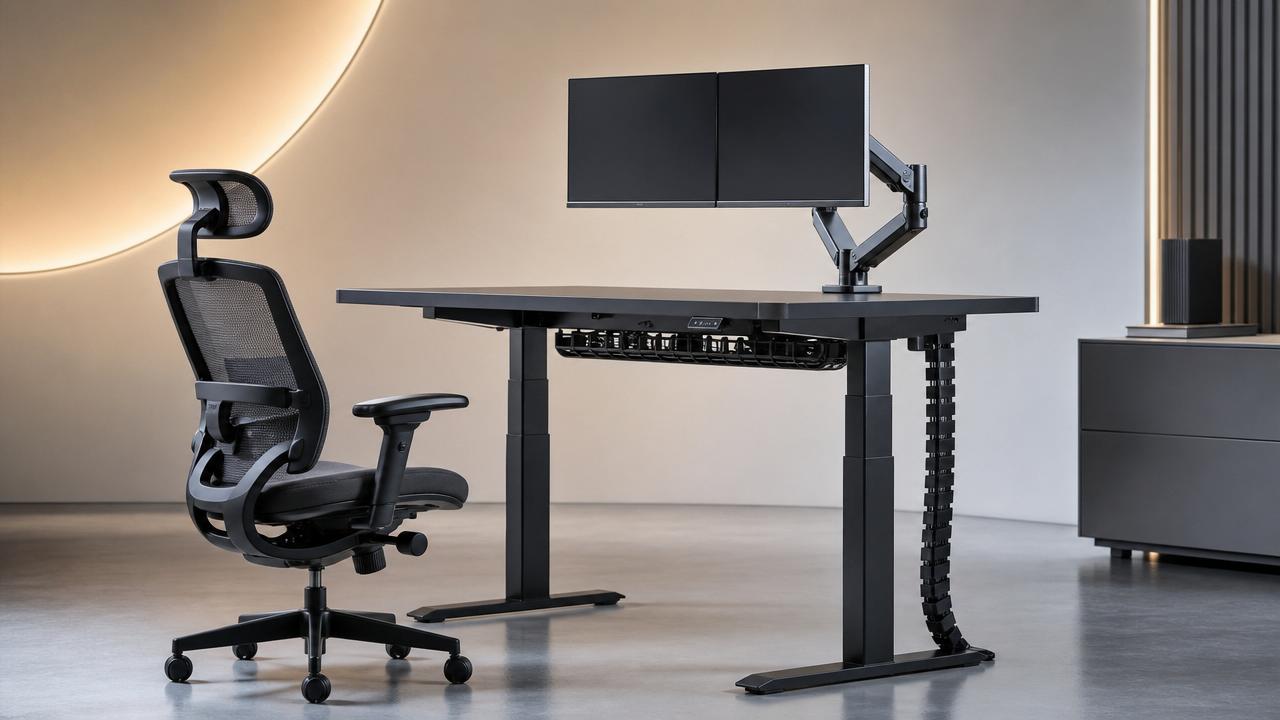
- Sit-stand desk range that supports both seated focus and standing transitions.
- Stable work surfaces that prevent shaking during typing or monitor use.
Good ergonomic office furniture supports micro-movement. Comfort does not mean staying still. It means reducing strain while allowing position changes across a full working day.
That is why dynamic seating, responsive mechanisms, and easy control points often outperform chairs loaded with features that are difficult to use or poorly calibrated.
What is driving demand for better ergonomic office furniture
Several forces are pushing the market toward higher-function workplace solutions. Comfort expectations now intersect with wellness goals, operational efficiency, and furniture lifecycle performance.
These drivers explain why ergonomic office furniture is increasingly linked with standards, certification review, and evidence-based product assessment instead of trend-only buying decisions.
Which design elements separate real support from marketing claims
Not every chair labeled ergonomic performs well. Technical evaluation should focus on how the furniture behaves in repeated daily use, not only how many mechanisms appear on a specification sheet.
Chair details that matter most
- Backrest shape should support the spine without creating pressure points.
- Recline tension should feel balanced for different body weights.
- Mesh or foam should keep support over time, not collapse quickly.
- Controls should be reachable and understandable during seated use.
Desk details that affect comfort
- Height range should suit real user diversity, not average assumptions.
- Frame rigidity should remain stable at the top height setting.
- Leg clearance should support natural movement and seating changes.
- Cable management should reduce clutter and lower awkward reach behavior.
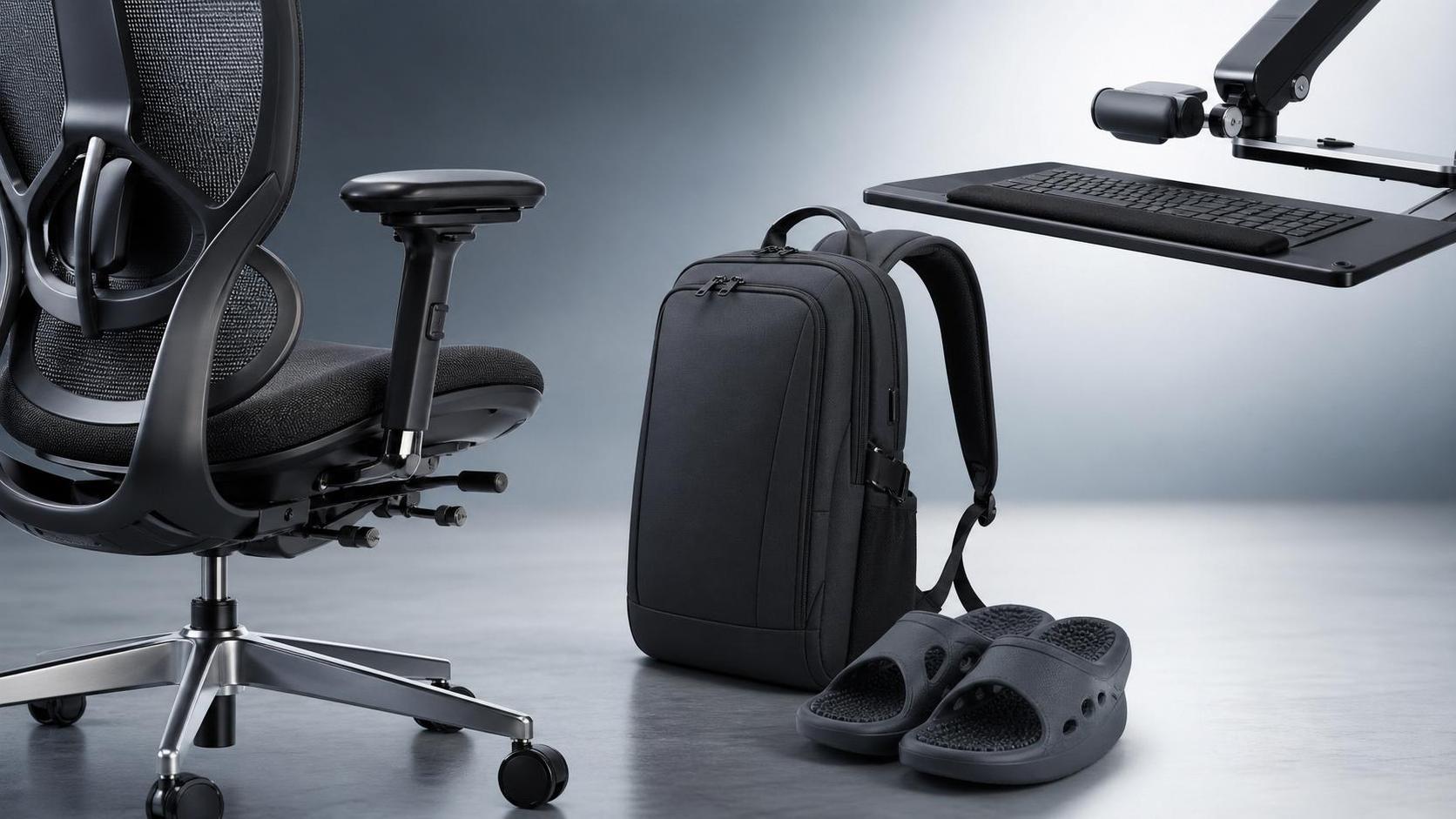
Strong ergonomic office furniture also considers adjacent tools. Monitor arms, footrests, lighting position, and keyboard placement can either extend or weaken the benefits of the main furniture.
How comfort improvements influence workspace performance and planning
The impact of ergonomic office furniture reaches beyond individual comfort. It changes how a workspace functions, how long users stay focused, and how effectively a layout supports different work modes.
In focused zones, proper seating and desk support reduce repositioning caused by discomfort. In collaborative areas, flexible ergonomic furniture helps users move between short meetings and task work without physical interruption.
For shared environments, easy-to-adjust products are especially important. Furniture should not require training every time a new user arrives. Fast adaptation is part of daily comfort.
There is also a maintenance effect. Better-built ergonomic office furniture often keeps its adjustment accuracy longer, reducing complaints related to wobble, sinking cylinders, or uneven support surfaces.
What deserves closer attention before comparing price alone
Price matters, but a lower initial cost may hide weaker lifecycle value. Comfort declines quickly when materials compress, mechanisms loosen, or adjustment ranges fail to fit real usage patterns.
Key evaluation points
- Adjustment usability in actual work positions.
- Load capacity and structural stability.
- Material resilience after repeated use.
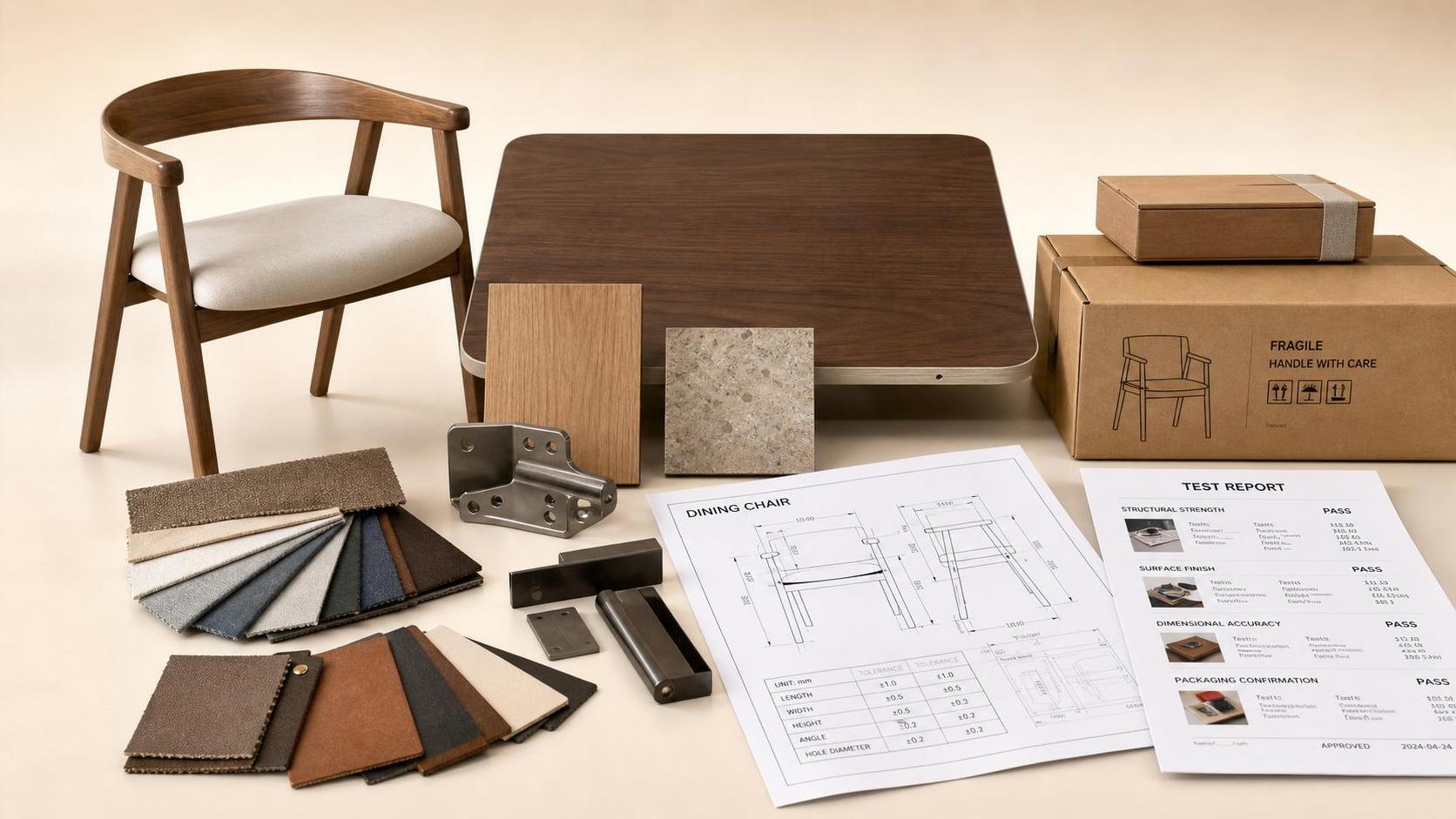
- Compliance with safety and performance standards.
- Warranty scope and replacement support.
- Compatibility with monitors, accessories, and layout plans.
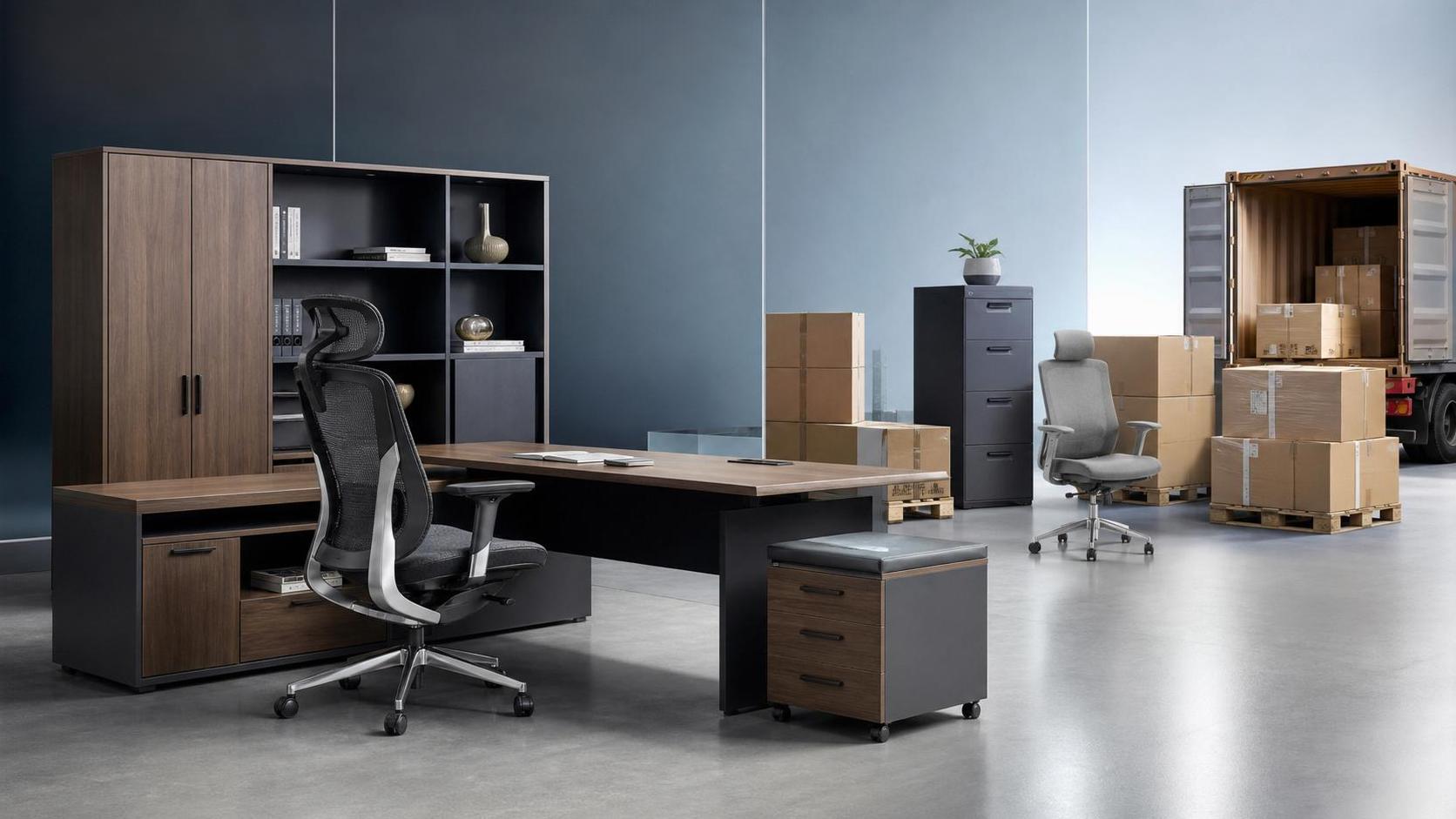
This is where broader furnishing intelligence becomes useful. The best decisions connect product design, craftsmanship quality, maintenance expectations, and space strategy instead of treating each category separately.
A practical way to judge the next wave of ergonomic office furniture
Future-ready ergonomic office furniture will likely combine human-centered mechanics with smarter materials and more responsive workspace planning. However, innovation should still serve basic comfort first.
A useful response is to test furniture in context. Review seated tasks, standing transitions, shared use, and long-hour behavior. Surface impressions are less reliable than observed comfort over time.
In the end, ergonomic office furniture improves daily comfort when it supports posture, enables movement, fits real tasks, and maintains performance through repeated use. That combination is what turns comfort into lasting workspace value.
For stronger results, compare ergonomic office furniture through measurable criteria, not trend language alone. A careful review today can produce healthier, more efficient, and more durable work environments tomorrow.