Office Furniture for Small Spaces: What to Check Before You Buy

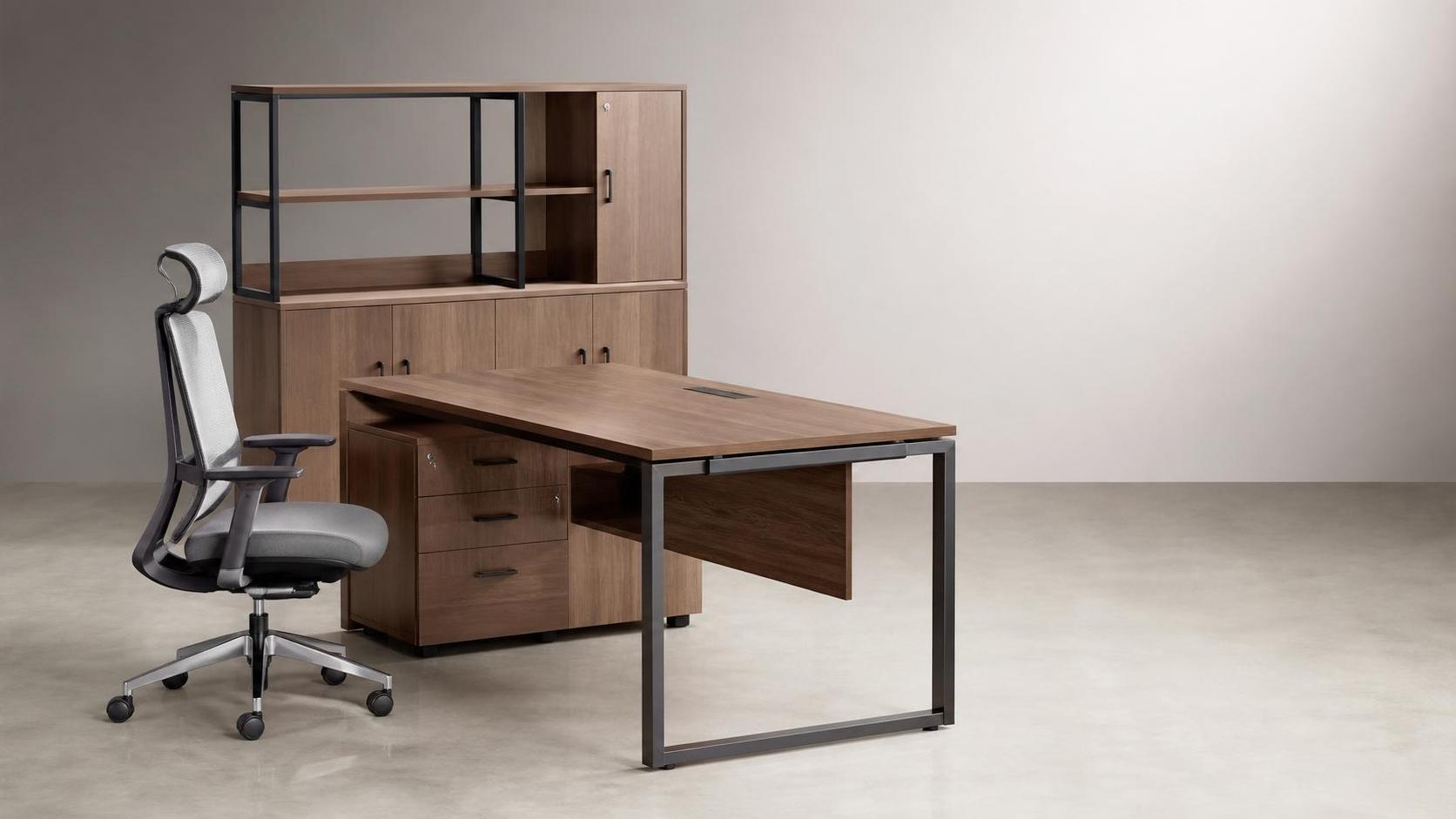
Choosing office furniture for small spaces is more than a sizing decision—it directly affects workflow, employee comfort, and long-term value. For procurement teams, the right purchase means balancing dimensions, ergonomics, material durability, and flexible design without compromising aesthetics or budget. Before you buy, it is essential to evaluate how each piece supports efficient space planning and practical daily use.
In compact offices, coworking layouts, satellite branches, and project rooms, every square meter has a cost. Buyers are no longer selecting desks and chairs as isolated products. They are assessing circulation, installation limits, usage frequency, maintenance cycles, and the visual consistency of a workspace that may serve 6, 20, or 50 people within a reduced footprint.
For procurement professionals, the challenge is practical: how to source office furniture for small spaces that performs well under daily use, aligns with budget controls, and remains adaptable as teams grow or work patterns shift. A good purchase should reduce reconfiguration costs, support employee wellbeing, and fit broader workplace planning goals.
Why Small-Space Office Furniture Requires a Different Buying Standard
Buying for a compact office is not the same as buying for a large open floorplate. In a small room, a 1200 mm desk versus a 1400 mm desk can change aisle clearance, storage access, and even emergency movement. One oversized chair can reduce usable circulation by 10% to 15% in a tightly planned workstation area.
This is where office furniture for small spaces must be evaluated through both design logic and supply-side practicality. GLC’s industry perspective links global workspace aesthetics with manufacturing discipline, which is especially relevant when buyers need furniture that looks refined but also meets operational constraints, lead-time expectations, and repeat-order consistency.
The main procurement pressures in compact workplaces
- Limited floor area, often below 8–10 square meters per workstation cluster
- Need for ergonomic support despite smaller product footprints
- Higher wear on shared furniture used 8–12 hours per day
- Pressure to combine aesthetics, storage, and flexibility in 1 purchase cycle
- Installation constraints such as elevators, narrow corridors, and phased delivery
What buyers should define before comparing suppliers
Before requesting quotations, define 4 basic parameters: room dimensions, staff count, primary work mode, and expected use period. A workstation designed for 2 years of temporary use can follow different material and modularity priorities than a space intended for 5–7 years of continuous occupation.
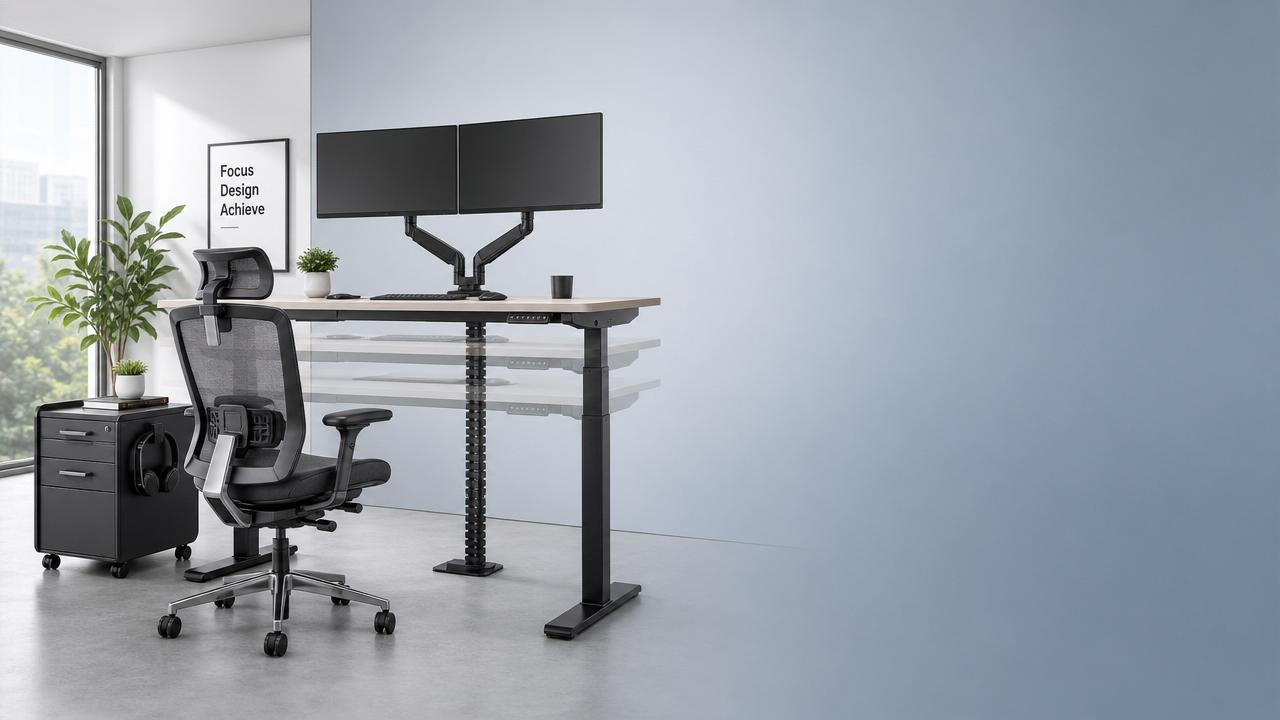
It is also important to map usage density. For example, a compact customer service team with fixed seating, monitor arms, and cable management needs a different desk depth than a hot-desking area used for laptops only. In many cases, a depth of 600–700 mm is workable, while 750–800 mm may be required for dual-screen setups.
The table below outlines the key differences between general office furniture selection and a more targeted approach for office furniture for small spaces.
The key takeaway is simple: furniture that works well in a standard office can underperform in a smaller one if dimensions, maneuverability, and integrated functions are not checked in advance. Procurement value comes from fit, not just unit price.
The 7 Checks to Make Before You Buy
When sourcing office furniture for small spaces, buyers should use a structured review process rather than relying on catalog photos or nominal dimensions. The 7 checks below help reduce mismatch, return risk, and costly reconfiguration after installation.
1. Verify real dimensions, not just product category labels
“Compact desk” can mean 1000 mm in one catalog and 1400 mm in another. Always request exact width, depth, height, leg position, and under-desk clearance. In small spaces, even a 50 mm discrepancy can affect drawer access or seating comfort.
Minimum clearance to check
- Walking aisle: ideally 800–900 mm
- Chair pull-back zone: around 900–1000 mm
- Meeting chair side clearance: at least 450–600 mm
- Cabinet door opening allowance: usually 500 mm or more
2. Check ergonomics within a reduced footprint
Small does not mean stripped down. A task chair should still provide seat height adjustment, back support, and stable movement. If users sit for more than 4 hours per day, basic ergonomic functionality is no longer optional. Procurement teams should compare seat depth, lumbar profile, and armrest interference with desk edges.
For desks, fixed heights around 720–750 mm are common, but monitor users may need compatible arms or risers to maintain eye-level positioning. In tighter plans, slim-profile monitor arms can free 80–120 mm of usable desk depth.
3. Evaluate multifunctionality and storage integration
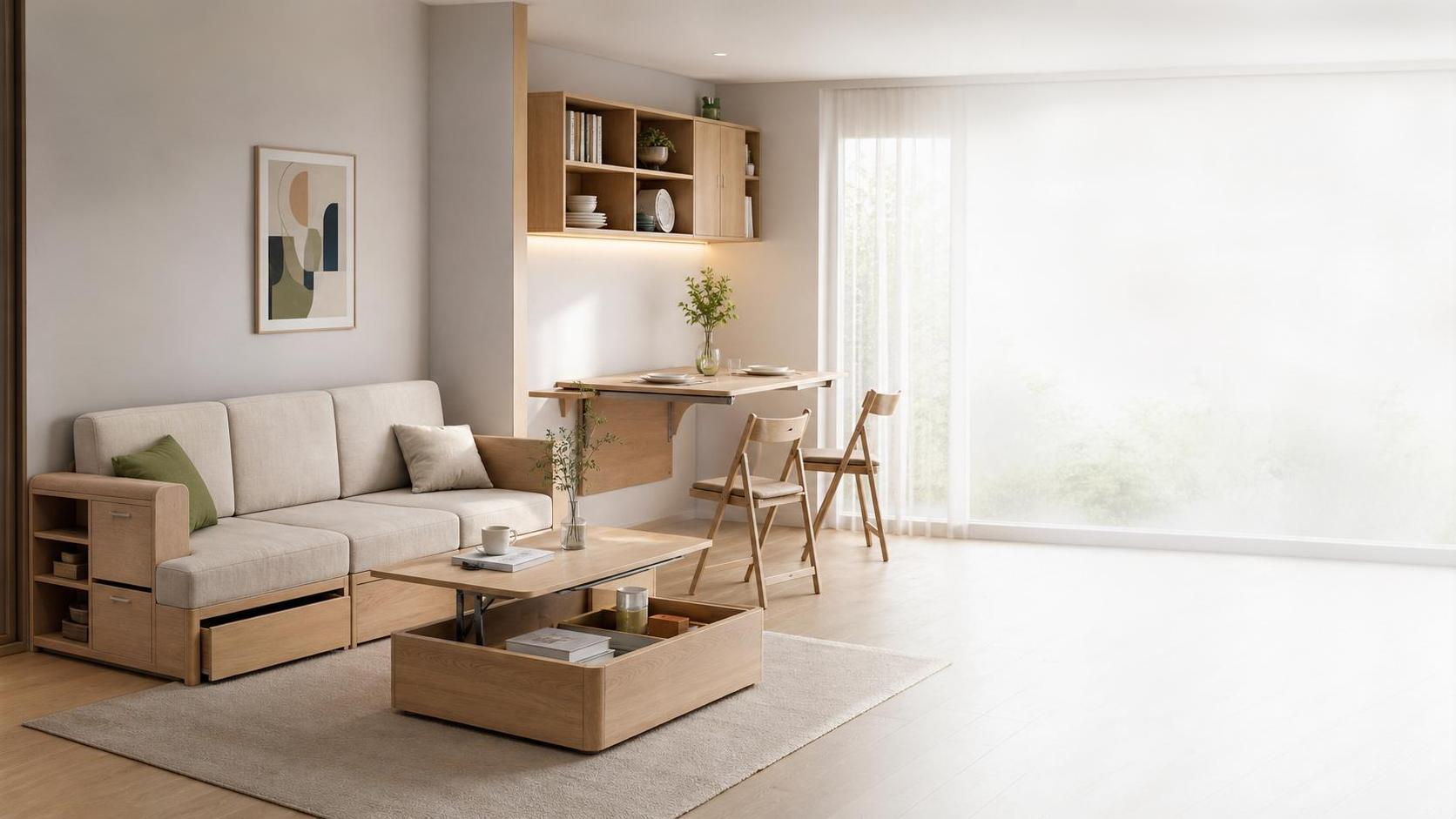
The most efficient office furniture for small spaces often combines 2 or 3 functions in one footprint. Examples include desks with cable trays, mobile pedestals that double as guest seating, and vertical storage units that reduce horizontal sprawl. This matters when every added cabinet consumes circulation space.
4. Review materials for durability and maintenance
Shared work areas usually generate faster wear than private offices. Surface laminates, powder-coated metal frames, stain-resistant upholstery, and easy-clean finishes often outperform delicate decorative materials in high-turnover spaces. Buyers should ask how often surfaces require maintenance and whether spare parts can be supplied within 2–6 weeks.
Material choices should also align with visual goals. GLC’s cross-sector view of furnishing trends shows that compact offices increasingly favor clean-lined surfaces, muted textiles, and lighter tones that visually open a room without relying on oversized furniture.
5. Confirm assembly, access, and installation conditions
A desk may fit the room on paper but fail to pass through a staircase or lift. Procurement teams should ask for packed dimensions, modular knock-down options, assembly time per unit, and the number of installers required. For example, a 6-person compact workstation system may take 3–5 hours to assemble depending on cable routing and partition requirements.
6. Assess flexibility for growth or layout change
A small office often changes faster than a large headquarters. Team counts may move from 8 to 12 within one lease cycle. Modular desks, mobile storage, foldable meeting tables, and stackable seating allow reconfiguration without full replacement. This can reduce future fit-out spending across the next 12–24 months.
7. Compare total cost, not just purchase price
Low-cost furniture can become expensive when it has a short service life, lacks spare parts, or causes productivity issues. Procurement should compare at least 5 cost points: unit price, freight, installation, replacement probability, and maintenance burden. A product that lasts 5 years with lower disruption may outperform a cheaper option replaced after 18 months.
The matrix below can be used during supplier comparison to score office furniture for small spaces in a more practical way.
A structured checklist helps buyers compare like for like. It also improves internal approval because stakeholders can see why one offer creates better space efficiency, lower risk, or stronger lifecycle value than another.
How to Match Furniture Types to Small Office Scenarios
Not every compact office needs the same product mix. Procurement decisions should reflect use case, staff behavior, and frequency of change. A design studio, a local sales office, and a service hub may all have limited floor area, but they use furniture in very different ways.
Small private offices
For 1–3 users, compact executive desks or minimalist worktables often perform better than oversized storage-led systems. Prioritize desk depth, integrated cable management, and one vertical cabinet rather than multiple low units. This preserves visual openness and simplifies cleaning.
Shared workstations
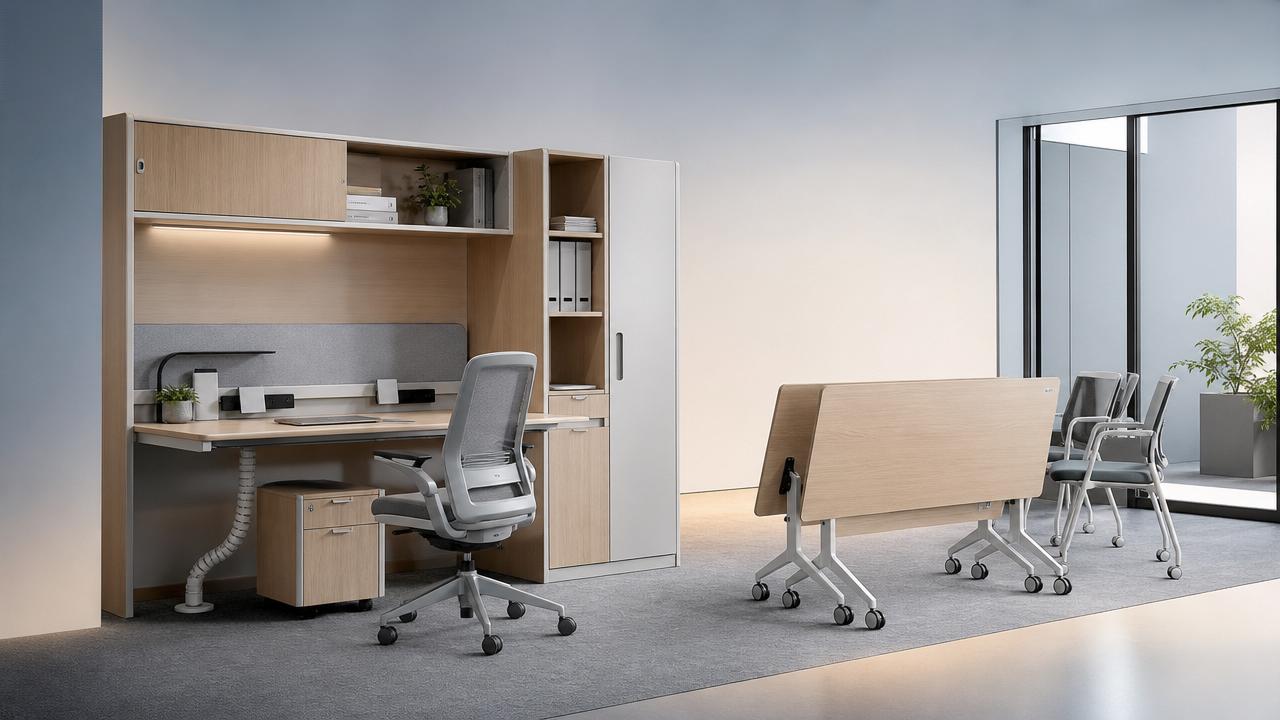
For teams of 4–12, benching systems with slim legs and shared cable channels can save area compared with separate individual desks. In many layouts, this approach improves seat density while maintaining a cleaner traffic path. Add lockable mobile pedestals only where document storage is genuinely needed.
Meeting corners and multi-use rooms
Foldable tables, nesting chairs, and mobile whiteboard partitions are effective when one room must support meetings, training, and temporary project work. Buyers should test how fast the space can be reconfigured. A room that takes 20 minutes to reset after every meeting creates hidden labor costs over time.
Reception or waiting areas in limited footprints
Small lounge chairs, armless seating, and narrow console storage can create a professional front-of-house appearance without overloading the entrance. Upholstery should be selected for easy maintenance, especially in visitor zones with higher turnover and more frequent cleaning.
Supplier, Lead Time, and Risk Control Considerations
Even the right furniture specification can become the wrong purchase if supply conditions are unclear. For procurement teams, office furniture for small spaces should be reviewed not only as a design product but also as a delivery package with lead-time, quality, and after-sales implications.
Questions to raise with suppliers early
- What is the standard lead time for stocked items and custom finishes?
- Can the supplier provide finish samples, material swatches, or mock-up dimensions?
- Are replacement parts available for 12–36 months after delivery?
- How are goods packed for buildings with restricted access?
- What is the installation sequence for phased occupancy projects?
Typical risk points in small-space furniture orders
Common failures include inaccurate site measurements, poor coordination between electrical planning and desk systems, and underestimating movement zones. Another risk is selecting furniture that looks light in photography but has visually heavy proportions in a compact room. Sampling, finish boards, and scaled layout reviews reduce these issues.
From a broader furnishing perspective, reliable sourcing also depends on craftsmanship stability. Consistency in edge finishing, metal coating, upholstery stitching, and hardware fit becomes highly visible in smaller offices because furniture is viewed at closer range and under denser use conditions.
The table below summarizes practical procurement checkpoints across timeline, risk, and support.
For buyers managing multiple locations or repeat projects, these controls also support standardization. A repeatable furniture package saves specification time, simplifies approvals, and creates more predictable budgeting across future fit-outs.
Common Buying Mistakes and Better Alternatives
Many procurement problems in compact workplaces come from familiar assumptions. Correcting them early can improve both space efficiency and user satisfaction.
Mistake 1: Choosing the smallest product without checking usability
An ultra-narrow desk may save space but fail to support screens, keyboard placement, or paperwork. Instead of buying the smallest option, define the minimum working surface required for the actual task and then optimize layout around it.
Mistake 2: Ignoring visual weight
Furniture with thick panels, dark finishes, or bulky legs can make a room feel tighter than its floor plan suggests. Lighter palettes, slimmer structures, and elevated storage often improve spatial perception without changing the footprint.
Mistake 3: Buying fixed layouts for a changing team
If your headcount, departments, or meeting frequency may shift within 6–18 months, rigid furniture systems can create avoidable costs. Modular office furniture for small spaces provides a safer purchasing route when flexibility matters as much as immediate occupancy.
Mistake 4: Focusing only on unit cost
A lower quote may exclude installation, accessory kits, leveling feet, cable trays, or post-install support. Comparative procurement should use a full-cost worksheet and confirm what is included line by line.
Final Procurement View: Buy for Fit, Use, and Change
The best office furniture for small spaces is not defined by compact dimensions alone. It should support daily work, preserve movement, deliver ergonomic value, and remain serviceable over time. For procurement teams, the strongest buying decision usually comes from balancing 3 factors together: spatial fit, lifecycle performance, and future flexibility.
A well-planned furniture package can help smaller offices function with the discipline of larger workplaces while maintaining a cleaner aesthetic and more efficient use of resources. That combination matters to organizations seeking quality, practicality, and better long-term control over workplace investment.
If you are reviewing suppliers, refining a furniture specification, or planning a compact workspace upgrade, now is the right time to compare options in detail. Contact us to discuss your project, request a tailored sourcing plan, or learn more solutions for selecting office furniture for small spaces with greater confidence.