Modern Furniture for Apartments: Space-Saving Guide

Modern Furniture for Apartments: Space-Saving Guide
Choosing modern furniture for apartments is no longer just about style. It is about making every square foot work harder, smarter, and more beautifully.
As urban homes become more compact, flexible furniture has become central to comfort, storage, movement, and visual order.
This guide explains how modern furniture for apartments supports compact living through modular design, durable materials, and refined craftsmanship.
From foldable dining systems to storage beds, each choice can reshape a small home without sacrificing elegance or daily convenience.
What Makes Modern Furniture for Apartments Different?
Modern furniture for apartments is defined by efficiency, clean proportion, multifunctionality, and adaptable form.
Unlike oversized traditional pieces, apartment-friendly furniture respects circulation, storage demand, and changing room functions.
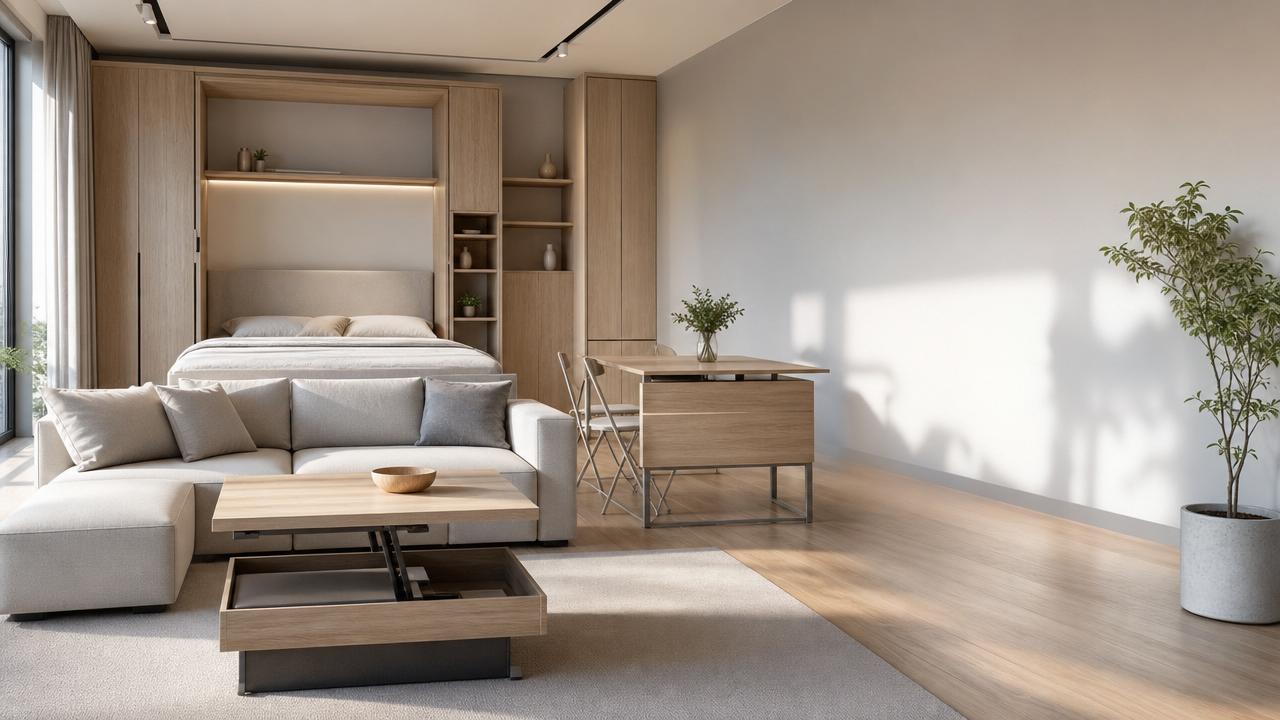
A sofa may become a guest bed. A coffee table may lift into a workstation. A bench may hide seasonal storage.
The best modern furniture for apartments does not simply look minimal. It performs several tasks while remaining visually calm.
Key characteristics to look for
- Slim silhouettes that reduce visual heaviness.
- Modular parts that adjust to new layouts.
- Hidden storage for bedding, books, shoes, or tools.
- Durable surfaces that tolerate frequent use.
- Neutral finishes that coordinate across rooms.
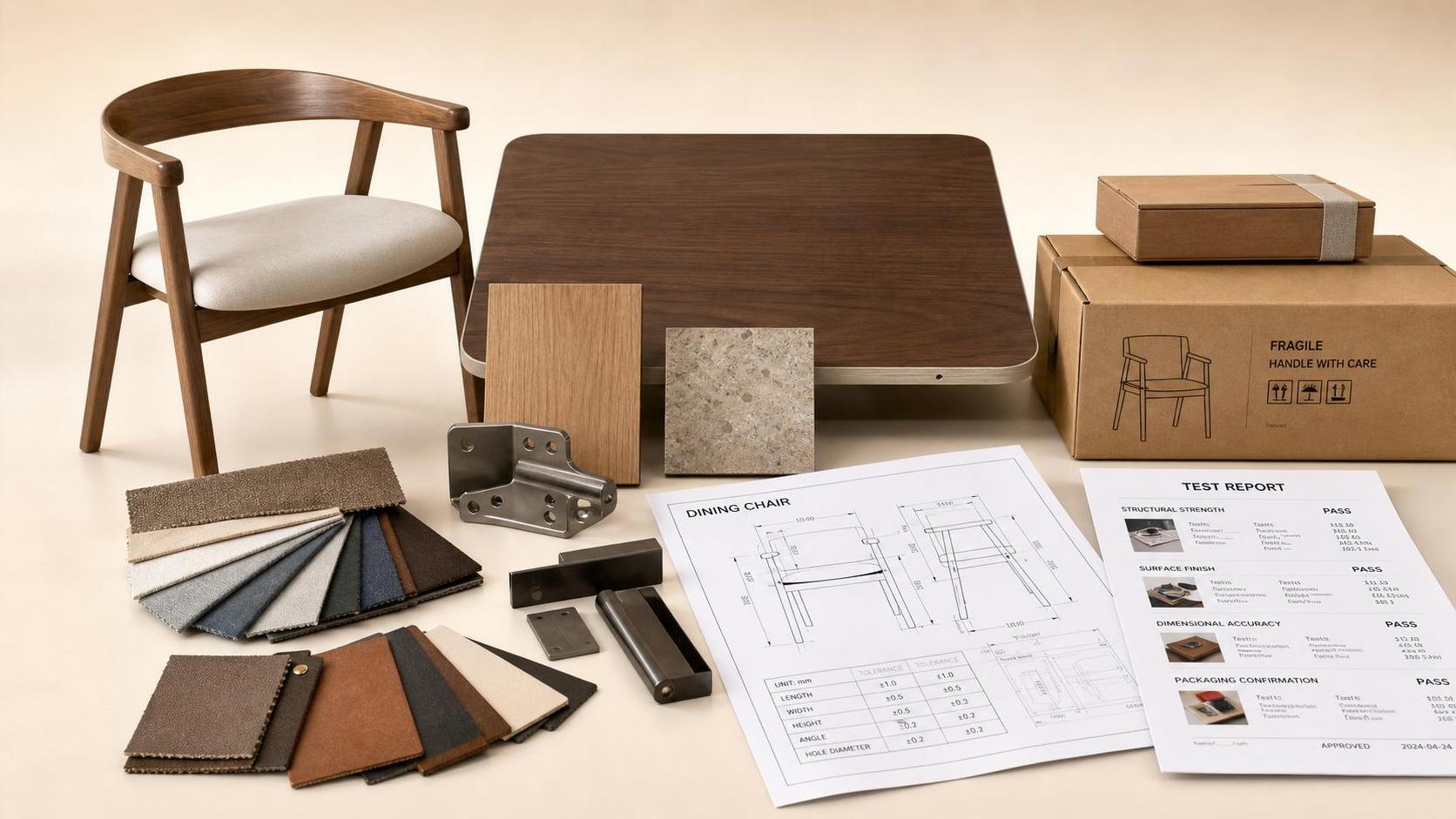
This is where craftsmanship matters. Hinges, frames, upholstery seams, and sliding hardware determine whether space-saving furniture lasts.
GLC often evaluates objects through both aesthetic logic and industrial standards. Apartment furniture benefits from that same dual lens.
Which Rooms Benefit Most from Modern Furniture for Apartments?
Every room can benefit, but the highest impact usually appears in living rooms, bedrooms, dining corners, and entry zones.
These areas often carry multiple functions in compact homes. Furniture must therefore support rest, work, storage, and social use.
Living room: flexible comfort
A modular sofa is often the anchor of modern furniture for apartments. It can divide space without building walls.
Choose armless modules, low backs, or chaise sections when the room needs openness and easier movement.
Nesting tables are useful when floor space changes throughout the day. They expand during gatherings and disappear afterward.
Bedroom: storage without clutter
Storage beds, wall-mounted nightstands, and slim wardrobes help create a calmer sleeping environment.
Modern furniture for apartments should reduce exposed clutter because visual noise makes small rooms feel smaller.
Dining area: compact social function
Drop-leaf tables, extendable dining sets, and stackable chairs provide flexibility without occupying daily floor area.
For open kitchens, rounded tables are often easier to navigate than sharp rectangular pieces.
Entry zone: the first storage checkpoint
A narrow shoe cabinet, wall hooks, and a storage bench can prevent clutter from spreading into the apartment.
This small zone strongly influences the whole home’s sense of order.
How Do You Choose Modern Furniture for Apartments Without Overcrowding?
The first rule is to measure function before measuring furniture. Decide what each zone must do every day.
Then measure walkways, door swings, window access, and storage openings. A beautiful piece fails if it blocks movement.
Modern furniture for apartments should leave breathing space around core activities, especially cooking, sleeping, dressing, and sitting.
Practical selection checklist
- Measure the room, including ceiling height and wall outlets.
- Keep main walkways clear by at least comfortable shoulder width.
- Choose furniture with legs when visual lightness matters.
- Use closed storage for messy items and open shelves for display.
- Prefer multipurpose pieces over single-use furniture.
Scale is critical. A compact apartment can still handle a statement piece if surrounding furniture remains quiet.
However, too many transformable pieces may create a mechanical feeling. Balance clever systems with warm materials.
Wood veneer, woven textiles, matte metal, and tactile upholstery can soften the technical side of small-space design.
What Materials Work Best for Modern Furniture for Apartments?
Material choice affects durability, weight, cleaning, acoustics, and visual warmth. Apartment furniture often faces intense daily use.
Modern furniture for apartments should combine lightweight construction with strong joints and practical surfaces.
Engineered wood and veneer
High-quality engineered panels can be stable and cost-efficient. Veneer adds natural texture without excessive weight.
Check edge sealing, board density, and hardware quality. These details influence long-term performance.
Metal frames
Powder-coated steel or aluminum works well for foldable tables, shelving, and slim chair frames.
Metal adds strength with minimal bulk, especially when paired with wood, fabric, or glass.
Performance fabrics
Upholstery should resist stains, pilling, and abrasion. Removable covers are useful where cleaning access matters.
Textile quality is not only about appearance. Fiber composition, weave density, and finish affect everyday comfort.
Sustainable options
Recycled textiles, certified wood, low-VOC finishes, and repairable parts support longer product lifecycles.
Sustainability in modern furniture for apartments also means buying fewer pieces that perform better.
Which Space-Saving Furniture Types Are Worth Considering?
The right furniture type depends on lifestyle rhythm, floor plan, storage needs, and how often spaces change function.
Modern furniture for apartments performs best when each item solves a real pressure point.
This table shows that modern furniture for apartments is not a single style. It is a problem-solving framework.
The strongest choices combine clear purpose, reliable hardware, and proportions that suit the actual room.
What Mistakes Should Be Avoided When Buying Modern Furniture for Apartments?
The most common mistake is buying furniture before understanding daily movement patterns.
A piece may fit on paper but still interrupt doors, drawers, heating units, or natural light.
Mistake 1: choosing storage without access
Hidden storage is useful only when it opens easily. Heavy lift-up systems may discourage regular use.
Mistake 2: ignoring delivery and assembly
Modern furniture for apartments must pass through elevators, staircases, narrow hallways, and doorframes.
Flat-pack systems can help, but connectors and instructions must be reliable.
Mistake 3: overusing dark bulky pieces
Dark finishes can be elegant, but large dark blocks may visually shrink a room.
Use them selectively, then balance with lighter walls, mirrors, and open-legged furniture.
Mistake 4: treating trends as rules
A trend should support the home, not dominate it. Curved sofas, glass tables, or bold colors need context.
The best modern furniture for apartments remains useful after seasonal tastes change.
FAQ: Quick Answers About Modern Furniture for Apartments
These answers highlight a practical point. Modern furniture for apartments should be evaluated by function, not just appearance.
A lower-priced item can be expensive if it breaks, wastes space, or forces an early replacement.
How Can Modern Furniture for Apartments Create a Better Living System?
A well-designed apartment works like a living system. Furniture, textiles, lighting, and storage support one another.
Modern furniture for apartments should connect comfort with craftsmanship, while leaving room for personal expression.
Begin with a floor plan, not a shopping list. Mark daily routes, storage gaps, and flexible activity zones.
Then choose fewer, better pieces that make the room feel larger, calmer, and more responsive.
For long-term value, prioritize repairable structures, quality textiles, responsible materials, and designs that can move with changing needs.
Modern furniture for apartments is ultimately about intelligent living. It turns limited space into a refined, functional, and adaptable home.
The next step is simple: measure carefully, define priorities, compare materials, and invest in pieces that serve more than one purpose.