Ergonomic Office Furniture: Key Features Worth Testing First

Before approving ergonomic office furniture for a workplace upgrade or procurement shortlist, technical evaluators need more than visual appeal or vendor claims.
The real value lies in measurable comfort, adjustability, material performance, and long-term durability under daily use.
From chair mechanics and desk height ranges to surface finishes and compliance indicators, each feature should be tested against user needs and operational standards.
This guide highlights the key checkpoints worth examining first, helping teams make evidence-based decisions that support healthier work habits and smarter space investment.
Ergonomic Office Furniture Is Moving From Comfort Claim to Performance Evidence
The market for ergonomic office furniture is changing quickly as hybrid work, wellness targets, and longer screen hours reshape workspace expectations.
Traditional office furniture was often judged by style, price, and delivery speed. That approach is no longer enough.
Workstations now need to support variable body sizes, focused digital tasks, shared seating, and frequent posture changes.
This shift makes ergonomic office furniture a technical decision, not only an interior design choice.
The strongest products combine engineering, materials science, usability, and manufacturing discipline.
A chair that looks refined may fail if lumbar support cannot be positioned correctly.
A height-adjustable desk may appear advanced but underperform if lifting stability, noise, or controller accuracy is poor.
For global living and craftsmanship sectors, this creates a clear trend: aesthetic value must be verified through daily functional performance.
Trend Signals Showing Why Testing Comes Earlier
Several signals explain why ergonomic office furniture is being tested earlier in workplace planning and product selection.
First, workspaces are becoming more adaptive. One workstation may serve different users across one week.
Second, posture-related discomfort is no longer treated as a minor inconvenience. It affects concentration, attendance, and long-term health costs.
Third, sustainability expectations now include durability, repairability, and responsible material sourcing.
This means ergonomic office furniture must prove value across comfort, lifespan, and circular use potential.
The result is a more disciplined evaluation culture. Quick showroom impressions are being replaced by structured trials and measurable benchmarks.
Core Drivers Behind the Shift
Chair Mechanics Remain the First Proof Point
In most ergonomic office furniture programs, the chair remains the most sensitive item because it contacts the body continuously.
A quality chair should allow active posture changes without forcing the user into one fixed position.
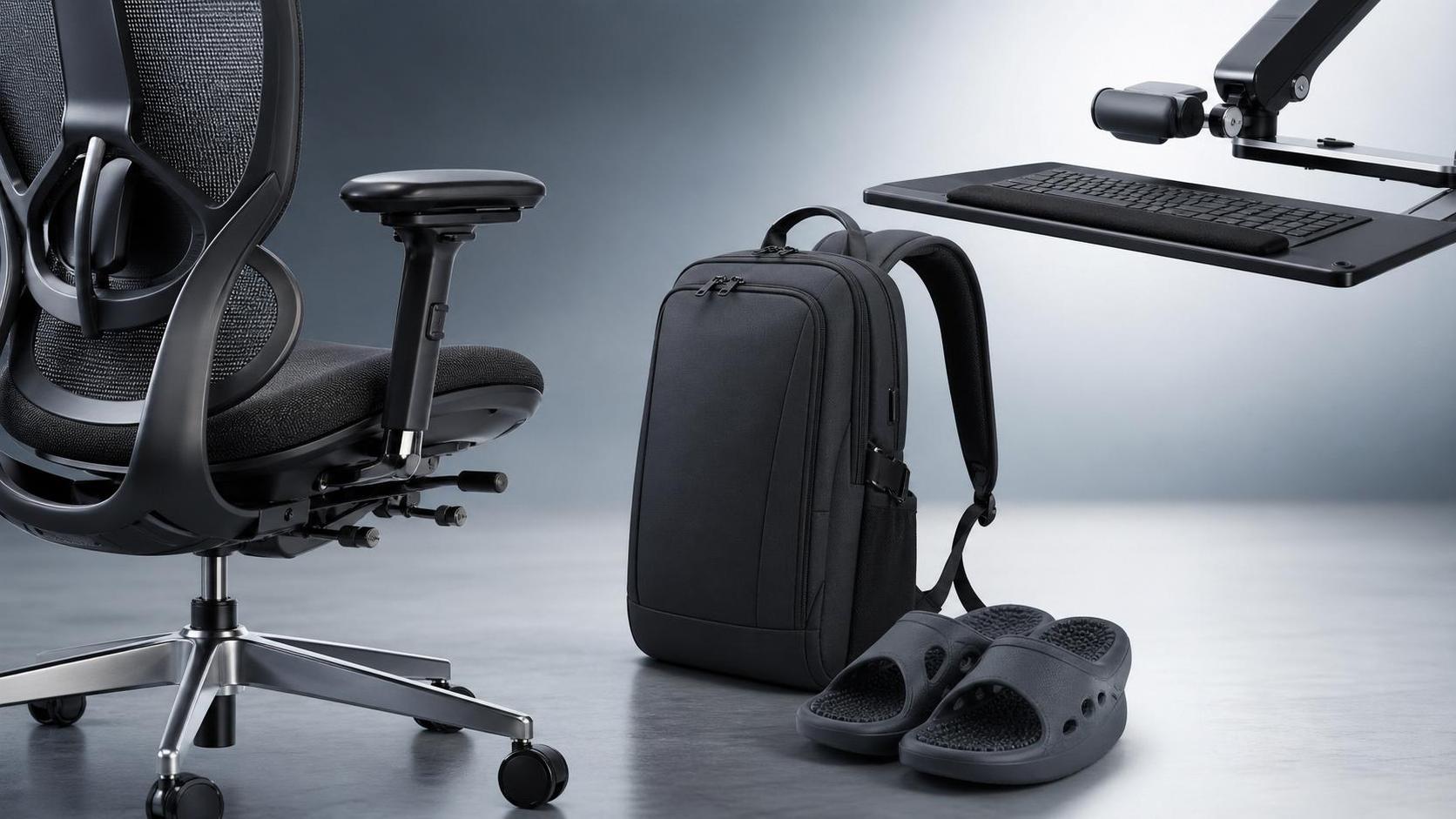
Testing should begin with seat height, seat depth, backrest angle, lumbar travel, armrest movement, and recline tension.
Each adjustment should be reachable while seated and understandable without repeated instruction.
Seat depth deserves special attention. If the front edge presses behind the knees, circulation and comfort decline quickly.
Lumbar support should follow the natural curve of the lower back. It should not feel like a hard pressure point.
Armrests should support relaxed shoulders, not lift them. Multi-directional armrests are useful when keyboard and mouse positions vary.
For ergonomic office furniture, smooth movement matters as much as range. Stiff controls discourage adjustment and reduce real ergonomic benefit.
Chair Features Worth Testing First
- Seat height range for different leg lengths and desk heights.
- Seat pan depth and waterfall edge comfort.
- Lumbar height, depth, firmness, and contact consistency.
- Backrest recline, tilt lock, and tension control.
- Armrest height, width, pivot, and surface softness.
- Caster performance on intended floor materials.
Desks Are Becoming Dynamic Work Platforms
Desks are no longer passive surfaces. In ergonomic office furniture planning, they now function as adjustable work platforms.
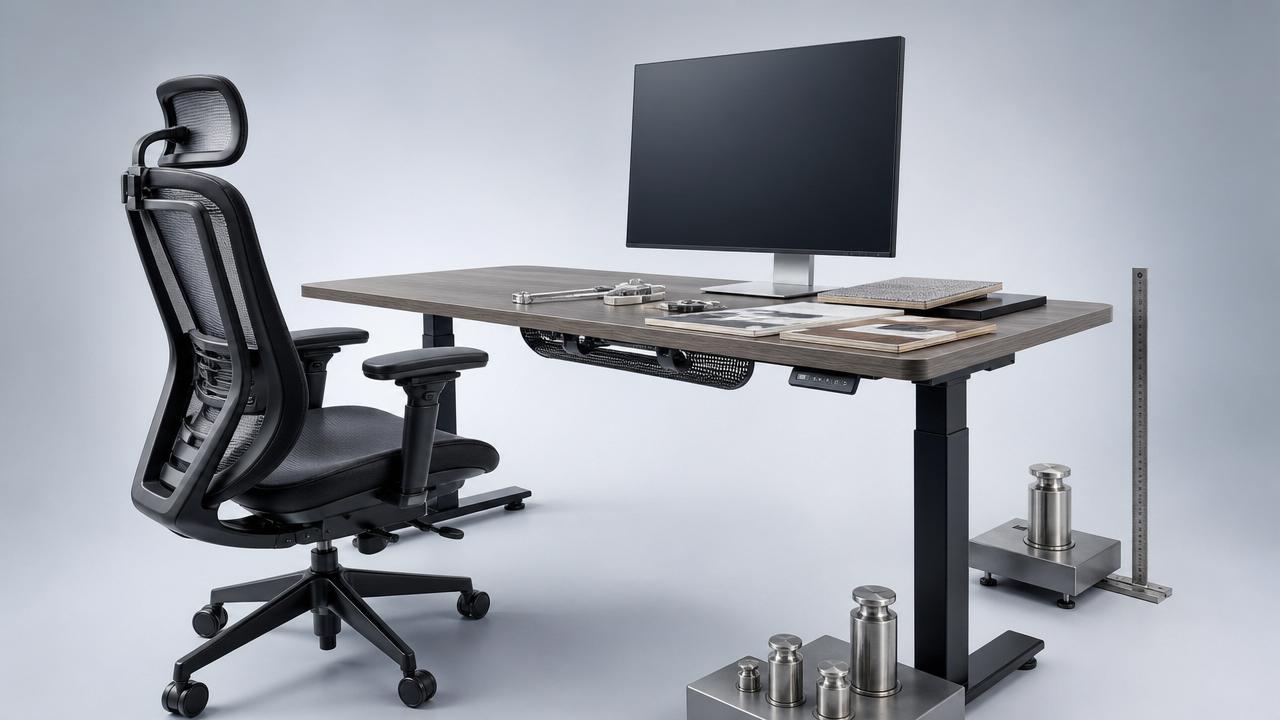
Height-adjustable desks should be tested for range, stability, speed, acoustic comfort, and anti-collision behavior.
The lowest height should support seated use without raised shoulders. The highest setting should allow standing work without wrist strain.
A desk that shakes during typing or monitor use can create frustration and reduce confidence in the product.
Control panels should be simple, responsive, and protected from accidental activation.
Memory presets are valuable when workstations are shared, but only if they operate reliably after repeated cycles.
Cable routing also deserves early testing. Poor cable control can limit movement and compromise visual order.
Within ergonomic office furniture, desk engineering must balance motion, safety, appearance, and long-term electrical reliability.
Materials and Surfaces Now Carry Health, Durability, and Brand Meaning
Material quality strongly influences how ergonomic office furniture performs after months of use.
Mesh should remain supportive without sagging. Foam should recover after pressure and avoid early flattening.
Fabric should resist pilling, staining, and odor retention. Leather alternatives should be checked for cracking and surface peel.
Worktop finishes should resist scratches, glare, fingerprints, moisture, and routine cleaning chemicals.
A surface that looks premium but reflects screen light can undermine comfort during concentrated work.
Material selection also connects ergonomic office furniture with broader sustainability expectations.
Recycled content, low-emission finishes, replaceable parts, and transparent sourcing can strengthen long-term value.
The best products do not separate craft from compliance. They make responsible production visible through consistent detail.
Material Tests With Practical Value
- Abrasion resistance for upholstery and contact zones.
- Foam recovery after repeated compression.
- Surface glare under typical lighting conditions.
- Cleaning resistance using approved maintenance products.
- Emission documentation for indoor air quality goals.
- Availability of spare parts and replaceable components.
Compliance Indicators Are Becoming Decision Filters
Claims around ergonomic office furniture should be supported by recognized testing and transparent documentation.
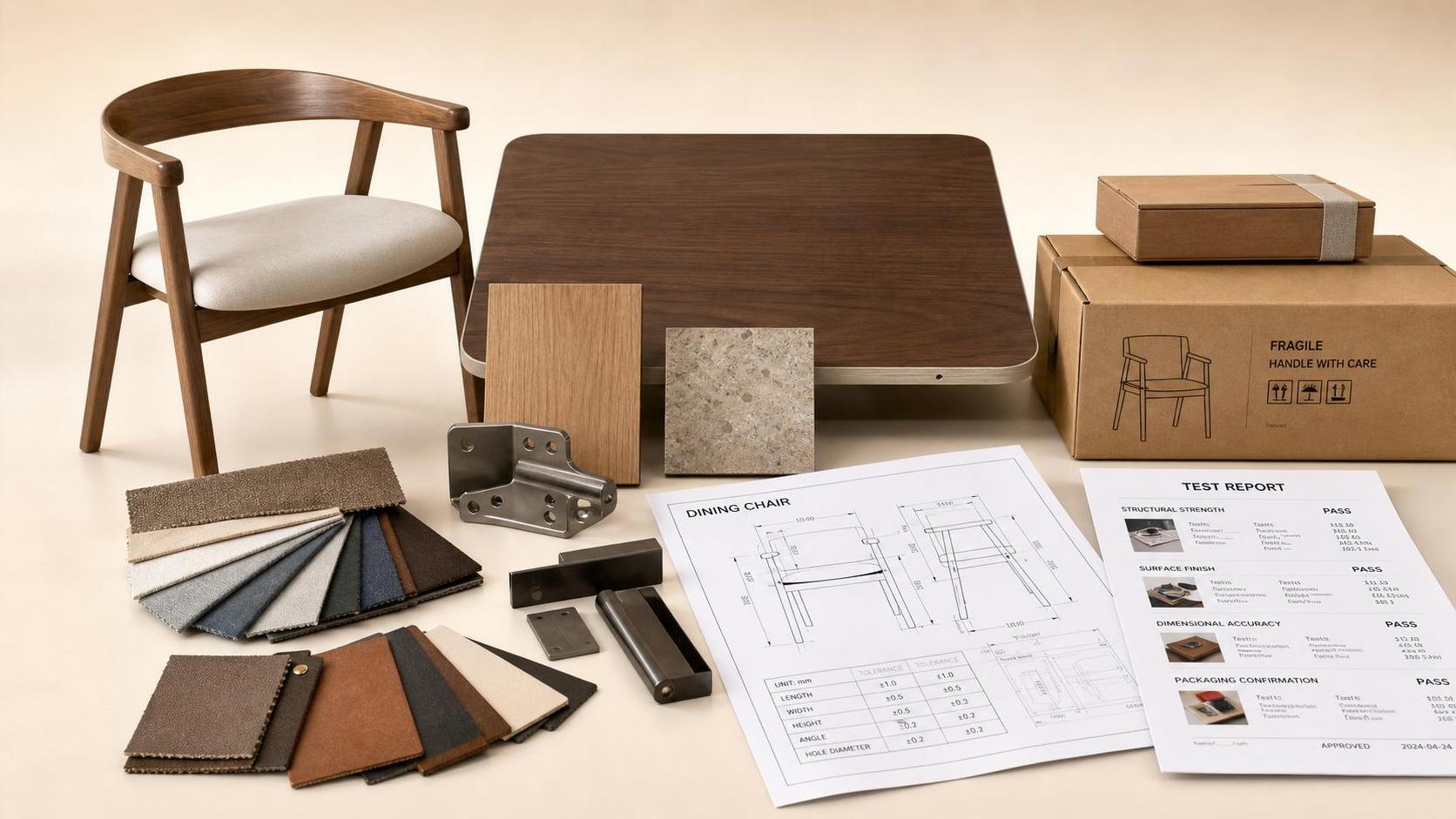
Relevant references may include BIFMA, ANSI, EN, ISO, GREENGUARD, FSC, or regional fire safety requirements.
Compliance does not automatically guarantee comfort, but it reduces technical uncertainty.
Certificates should match the exact product model, not only a similar series or older configuration.
Load capacity, cycle testing, stability results, and emission reports should be reviewed together.
Warranty terms also reveal confidence in construction quality. Short or vague coverage may signal hidden risk.
For ergonomic office furniture, documented durability is especially important in shared and high-frequency environments.
The Impact Extends Across Space Planning and Daily Operations
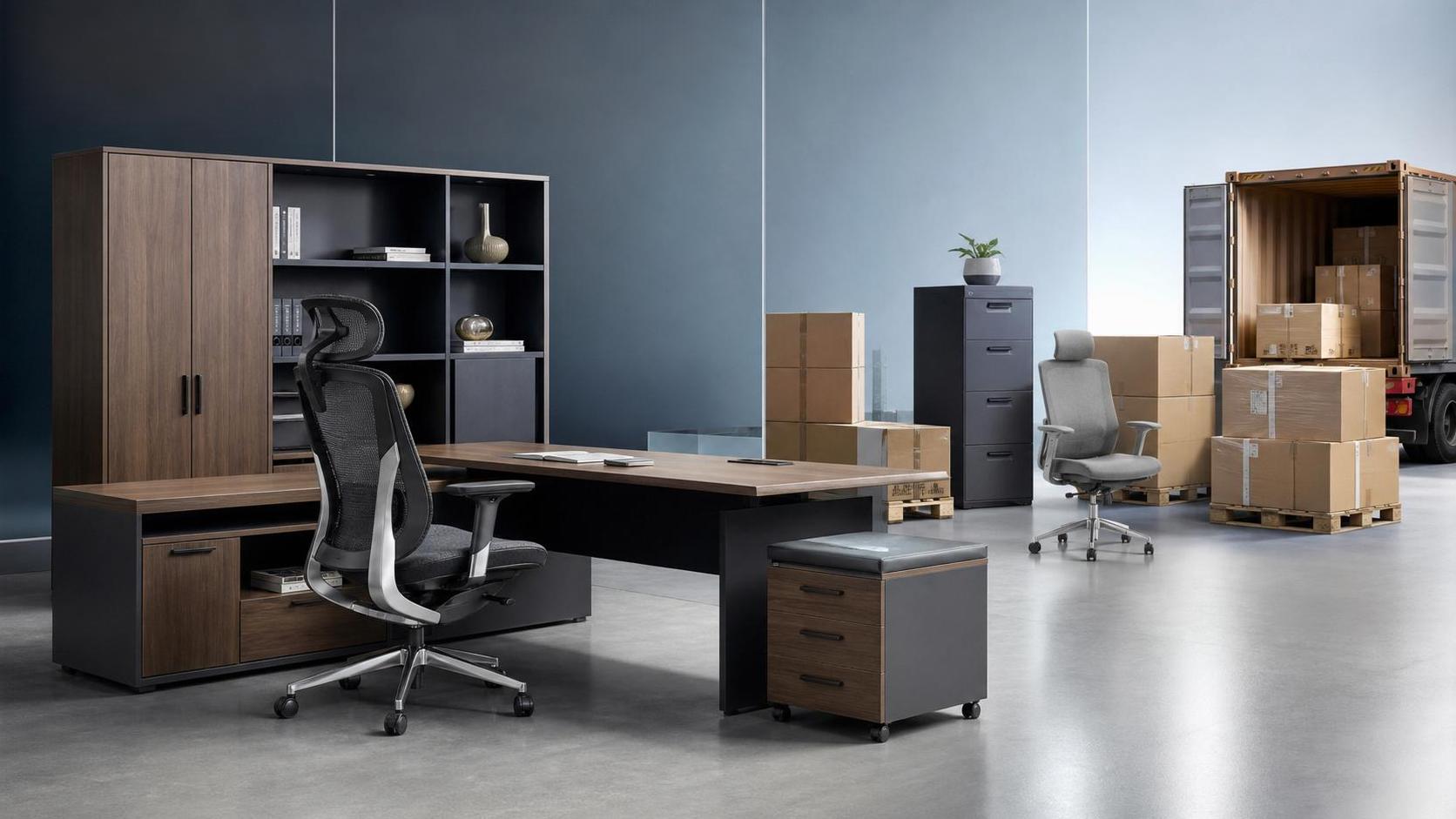
Better ergonomic office furniture changes more than seating comfort. It affects layout flexibility, maintenance planning, and user behavior.
Adjustable products allow spaces to serve varied tasks without complete redesign.
However, high adjustability can create confusion if controls are poorly marked or settings are difficult to repeat.
Maintenance teams also face new responsibilities. Motors, gas lifts, casters, fabrics, and control modules need clear service guidance.
This is why ergonomic office furniture should be evaluated as a system, not as isolated objects.
The chair, desk, monitor position, lighting, flooring, and acoustic conditions all influence the final user experience.
Operational Effects to Anticipate
- More need for simple adjustment guidance at each workstation.
- Higher importance of modular replacement parts.
- Stronger link between workspace design and wellness reporting.
- Greater demand for consistent product quality across batches.
- Increased value of supplier documentation and after-sales support.
Key Focus Areas Before Final Selection
The most reliable approach is to test ergonomic office furniture against real work patterns before final selection.
Short trials should include different body types, desk tasks, floor conditions, and cleaning routines.
Feedback should separate first impression from sustained comfort. A chair can feel soft at first yet lack support after hours.
The same principle applies to desks. Smooth lifting during demonstration may not prove long-term motor stability.
Evaluation Checklist for Ergonomic Office Furniture
- Can major adjustments be completed while seated or standing naturally?
- Does the product support posture changes instead of locking one posture?
- Are materials comfortable, durable, cleanable, and visually appropriate?
- Do certificates and test reports match the exact model?
- Are spare parts, repair instructions, and warranty details transparent?
- Does the full workstation reduce strain across neck, back, arms, and legs?
A Practical Response Framework for the Next Upgrade Cycle
As ergonomic office furniture becomes more advanced, selection methods should also become more evidence-based.
A useful framework combines specification review, hands-on testing, user feedback, and lifecycle cost analysis.
The goal is not to choose the most complex product. The goal is to choose furniture that performs reliably.
What to Watch Next in Ergonomic Office Furniture
The next stage of ergonomic office furniture will likely combine physical adjustability with smarter feedback and sustainable construction.
Expect more sensor-ready desks, modular seating components, bio-based materials, and repair-centered product design.
Yet the fundamentals will remain unchanged. Comfort must be measurable, intuitive, durable, and aligned with real work habits.
A beautiful workspace loses value if users avoid adjustments, experience fatigue, or struggle with maintenance.
The strongest ergonomic office furniture will connect design aesthetics with industrial standards and practical human use.
Action Starts With a Focused Test Plan
Before committing to ergonomic office furniture, define the essential performance questions first.
Which body sizes must be supported? Which tasks dominate the workday? Which components will face the heaviest wear?
Then test chairs, desks, surfaces, and accessories as a connected workstation.
Document adjustment quality, comfort over time, material response, compliance evidence, and service readiness.
This disciplined approach turns ergonomic office furniture selection into a strategic investment in healthier, more adaptable, and longer-lasting work environments.