Furniture Trends Shaping Ergonomic Workspaces

As project timelines tighten and teams demand healthier, more adaptable environments, furniture trends are becoming a strategic factor in workspace planning.
Ergonomic furniture now influences productivity, compliance, employee wellbeing, space utilization, and long-term facility value across modern workplace programs.
This article explores how furniture trends shape efficient, human-centered offices through adjustable workstations, smart collaboration zones, and scenario-based space decisions.
Why Workspace Scenarios Now Define Furniture Trends
Office planning once focused on fixed desks, standard chairs, and visual consistency. That model rarely matches today’s varied work behaviors.
Hybrid schedules, digital workflows, wellness expectations, and rapid team changes require furniture that supports multiple scenarios without constant renovation.
This is why furniture trends are moving from decorative selection toward operational decision-making, spatial analytics, and measurable ergonomic performance.
The key question is no longer which item looks modern. It is which setting improves work quality in a specific context.
Scenario One: Focus Work Requires Adjustable Personal Control
Individual focus areas need furniture that supports posture variation, visual privacy, acoustic comfort, and uninterrupted digital task execution.
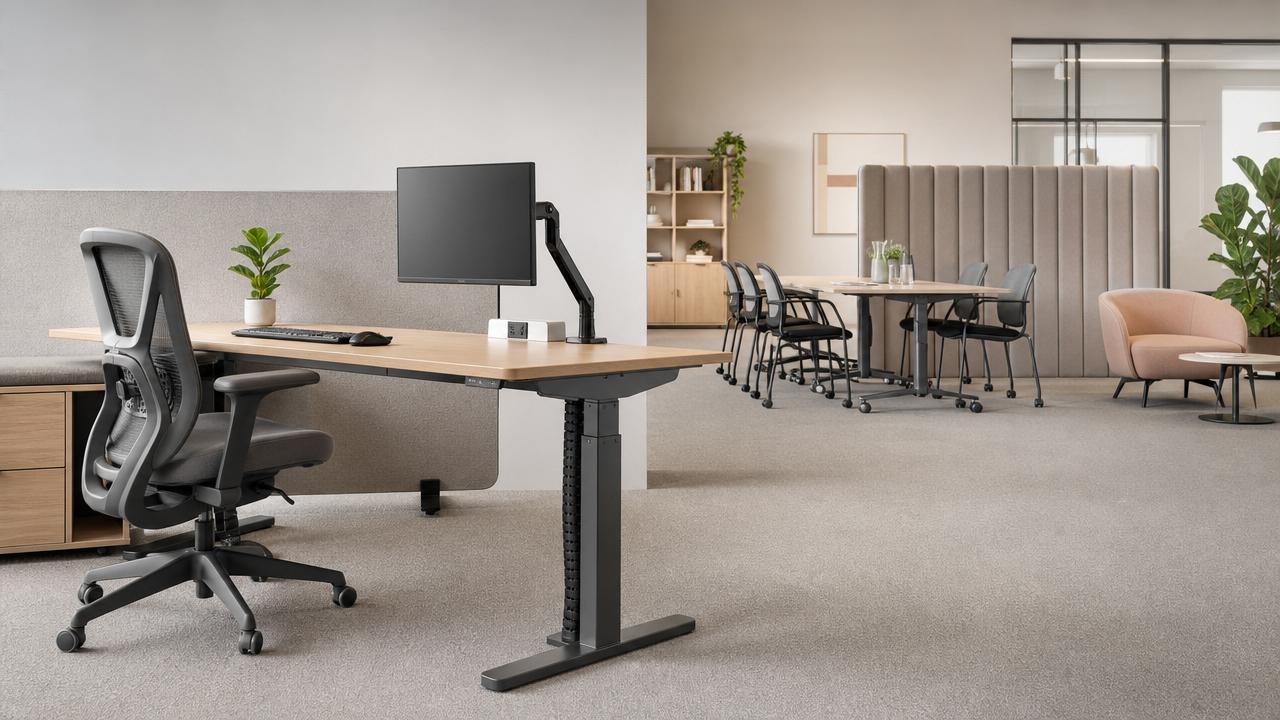
Height-adjustable desks remain central to current furniture trends because they allow movement without breaking concentration or workflow rhythm.
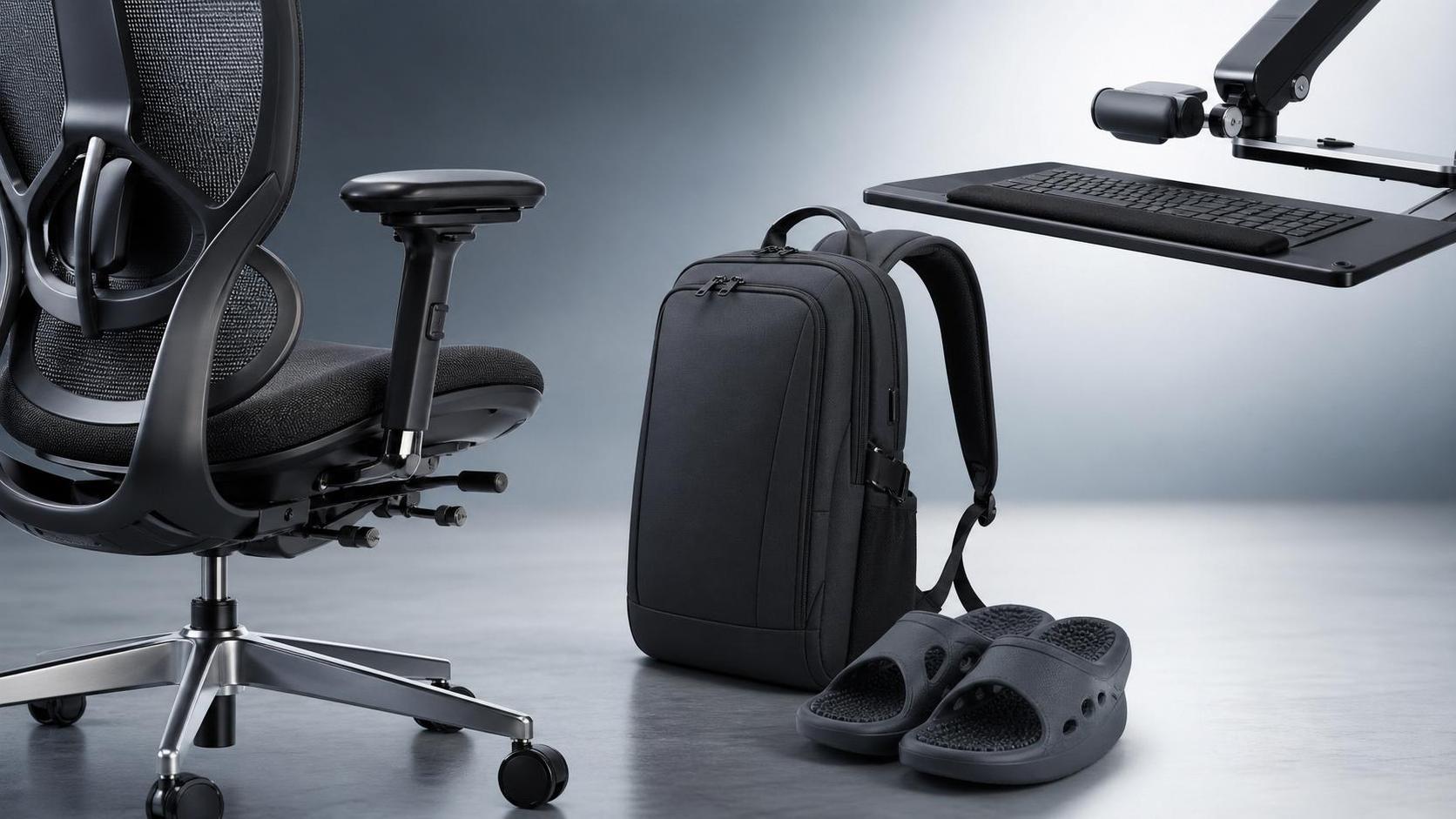
Ergonomic chairs with synchronized tilt, lumbar adjustment, and breathable materials also reduce fatigue during long periods of seated work.
The core judgment point is adjustability range. Furniture should accommodate different body types, task durations, and device arrangements.
In this scenario, furniture trends favor modular desk systems, monitor arms, under-desk cable routing, and compact storage near the user.
Scenario Two: Collaboration Zones Need Movement and Fast Reconfiguration
Team areas must support brainstorming, project review, hybrid meetings, training, and informal knowledge exchange within the same footprint.
Furniture trends in collaboration spaces prioritize mobility, lightweight frames, writable surfaces, integrated power, and flexible seating combinations.
Mobile tables, nesting chairs, soft stools, and movable screens help transform a room without specialist labor or long downtime.
The decision point is transition speed. A layout that takes too long to reset will gradually stop being used.
Effective furniture trends also include hybrid-ready tables with camera sightlines, cable access, and acoustic boundaries for remote participation.
Scenario Three: Reception and Client Areas Must Balance Brand and Comfort
Front-facing spaces communicate credibility before any meeting starts. They must feel welcoming, durable, and aligned with brand identity.
Here, furniture trends connect aesthetics with craftsmanship, material quality, and practical maintenance performance under frequent visitor use.
Lounge seating should support short waiting periods without forcing overly casual posture or creating awkward personal-space conflicts.
The judgment point is emotional consistency. Furniture should reinforce the organization’s tone while remaining accessible and comfortable.
Sustainable upholstery, curved silhouettes, textured fabrics, and natural finishes are visible furniture trends in hospitality-influenced workspaces.
Scenario Four: Hybrid Meeting Rooms Depend on Technology-Integrated Furniture
Hybrid meetings expose weaknesses in traditional conference furniture. Poor sightlines, cable clutter, and fixed seating reduce communication quality.
Modern furniture trends solve these issues through shaped tables, embedded power modules, device docks, and monitor-friendly orientation.
Chairs should allow slight movement while maintaining professional posture during long video discussions and decision sessions.
The judgment point is digital equality. Everyone in the room should be visible, audible, powered, and comfortable.
Furniture trends also favor acoustic panels, mobile credenzas, and modular media walls to support faster technology upgrades.
Scenario Five: Wellness Areas Require Recovery, Not Decoration
Wellness spaces are often treated as visual amenities. Their value depends on whether they support actual physical and mental reset.
Furniture trends in wellness zones emphasize soft seating, calm materials, biophilic textures, low visual noise, and inclusive accessibility.
Small retreat pods, reclined lounge chairs, and quiet benches can help reduce stress between demanding work cycles.
The judgment point is behavioral fit. If furniture feels exposed or impractical, people may avoid using the area.
Current furniture trends connect wellness with measurable outcomes, including reduced fatigue, better breaks, and improved workplace satisfaction.
How Different Workspace Scenarios Change Furniture Requirements
A single office may contain several competing furniture needs. Comparing scenarios prevents overstandardization and improves long-term adaptability.
This comparison shows why furniture trends must be evaluated by use pattern rather than appearance alone.
Scenario-Based Adaptation Advice for Ergonomic Workspaces
Practical adaptation starts with mapping work modes, occupancy rhythm, technology needs, and maintenance realities before selecting products.
The following actions translate furniture trends into workspace decisions that can be evaluated, implemented, and refined.
- Audit each zone by task duration, posture demand, sound level, and collaboration frequency.
- Specify adjustable desks and chairs where individual use exceeds two continuous hours.
- Use mobile furniture where teams frequently change group size or meeting format.
- Prioritize cleanable, durable materials in high-traffic reception and shared lounge areas.
- Match furniture with power, data, lighting, and acoustic planning from the beginning.
- Pilot key layouts before full rollout to test behavior, comfort, and operational fit.
These steps keep furniture trends connected to measurable workplace performance rather than short-lived visual preferences.
Common Misjudgments When Applying Furniture Trends
The most common mistake is treating ergonomic furniture as a premium add-on instead of a baseline workplace requirement.
Another misjudgment is buying visually flexible furniture that lacks structural durability, stable movement, or reliable component quality.
Some layouts ignore cable routes, charging needs, and device storage, making otherwise attractive furniture difficult to use daily.
A further issue is copying furniture trends from hospitality settings without considering work intensity, cleaning frequency, or privacy requirements.
Sustainability can also be misunderstood. Responsible choices require material transparency, repairability, packaging efficiency, and credible sourcing information.
Material and Craftsmanship Signals Worth Evaluating
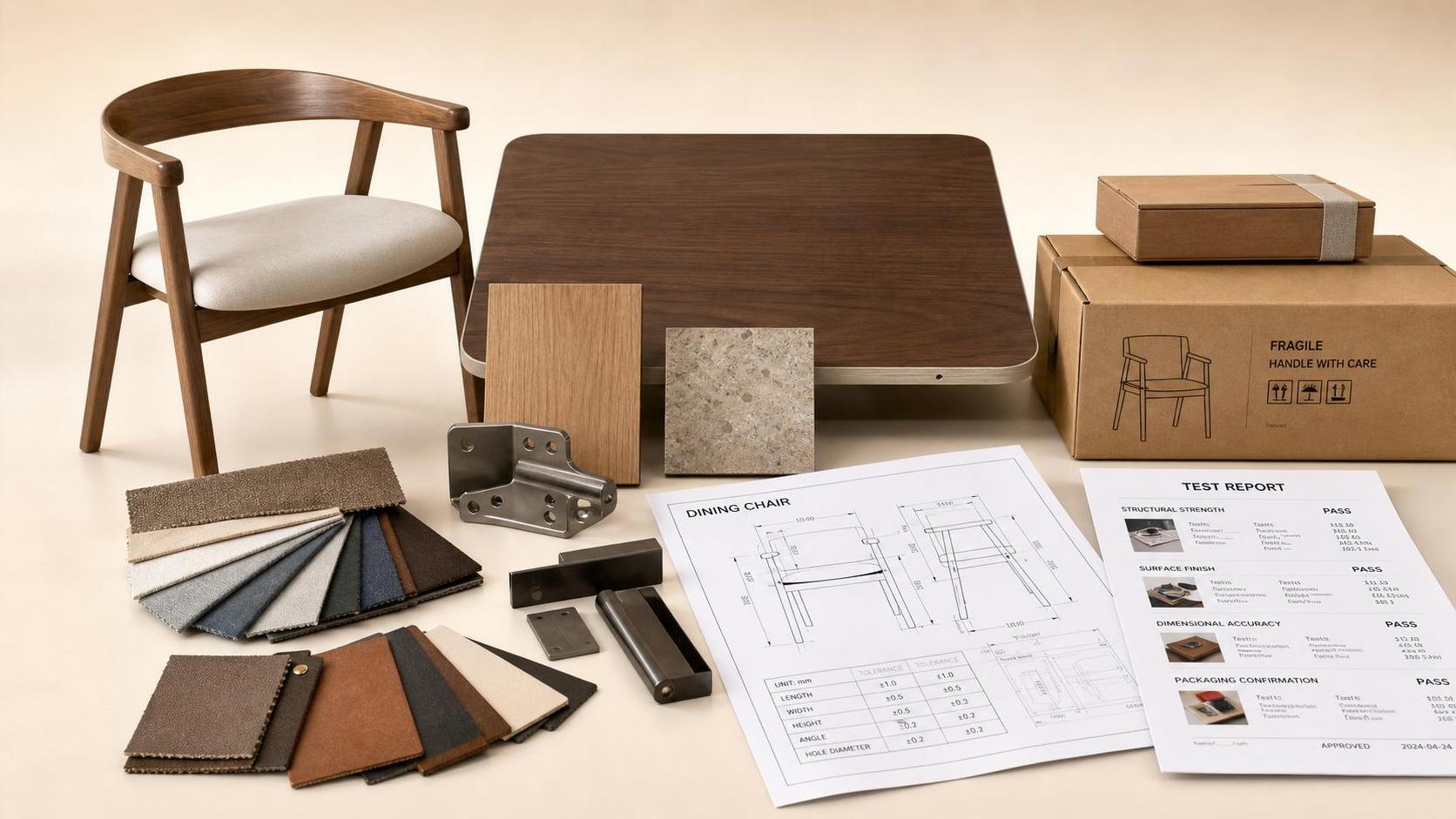
High-quality ergonomic workspaces depend on more than shapes. Materials, mechanisms, textiles, and finishing details affect long-term satisfaction.
Current furniture trends highlight recycled fabrics, low-emission boards, responsibly sourced wood, modular metal frames, and replaceable upholstery components.
Mechanism testing matters. Adjustable furniture should operate smoothly, remain stable, and maintain performance across repeated daily use.
Craftsmanship also appears in seam quality, edge treatment, silent glides, balanced proportions, and consistent color matching across batches.
These details help distinguish lasting furniture trends from products that only photograph well during launch campaigns.
Operational Metrics That Make Furniture Choices Easier
Furniture decisions become stronger when paired with simple metrics. Usage data shows which zones support real behavior.
Useful indicators include seat occupancy, meeting room reset time, maintenance frequency, employee comfort feedback, and technology support requests.
Tracking these indicators reveals whether furniture trends are improving productivity or adding complexity to daily workplace operation.
For example, unused wellness seating may signal poor privacy, bad placement, uncomfortable posture, or unclear space purpose.
Likewise, crowded collaboration zones may justify more mobile tables, writable dividers, or secondary touchdown spaces.
Action Guide: Turning Furniture Trends into Workspace Value
The next step is to build a scenario matrix before confirming any furniture specification, budget, or procurement schedule.
List every major workspace scenario, define user behavior, identify ergonomic risk, and rank flexibility requirements by operational importance.
Then compare furniture trends against evidence: adjustability, material life, acoustic contribution, maintenance burden, technology readiness, and sustainability claims.
A strong workspace strategy treats furniture as infrastructure for healthier work, clearer collaboration, and better use of space.
By applying furniture trends through real scenarios, offices can become more ergonomic, resilient, and aligned with modern business needs.